EN

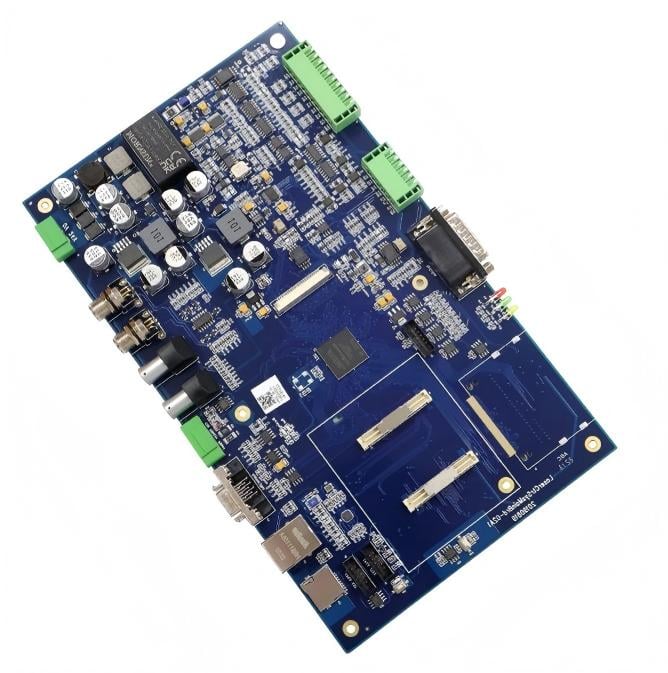
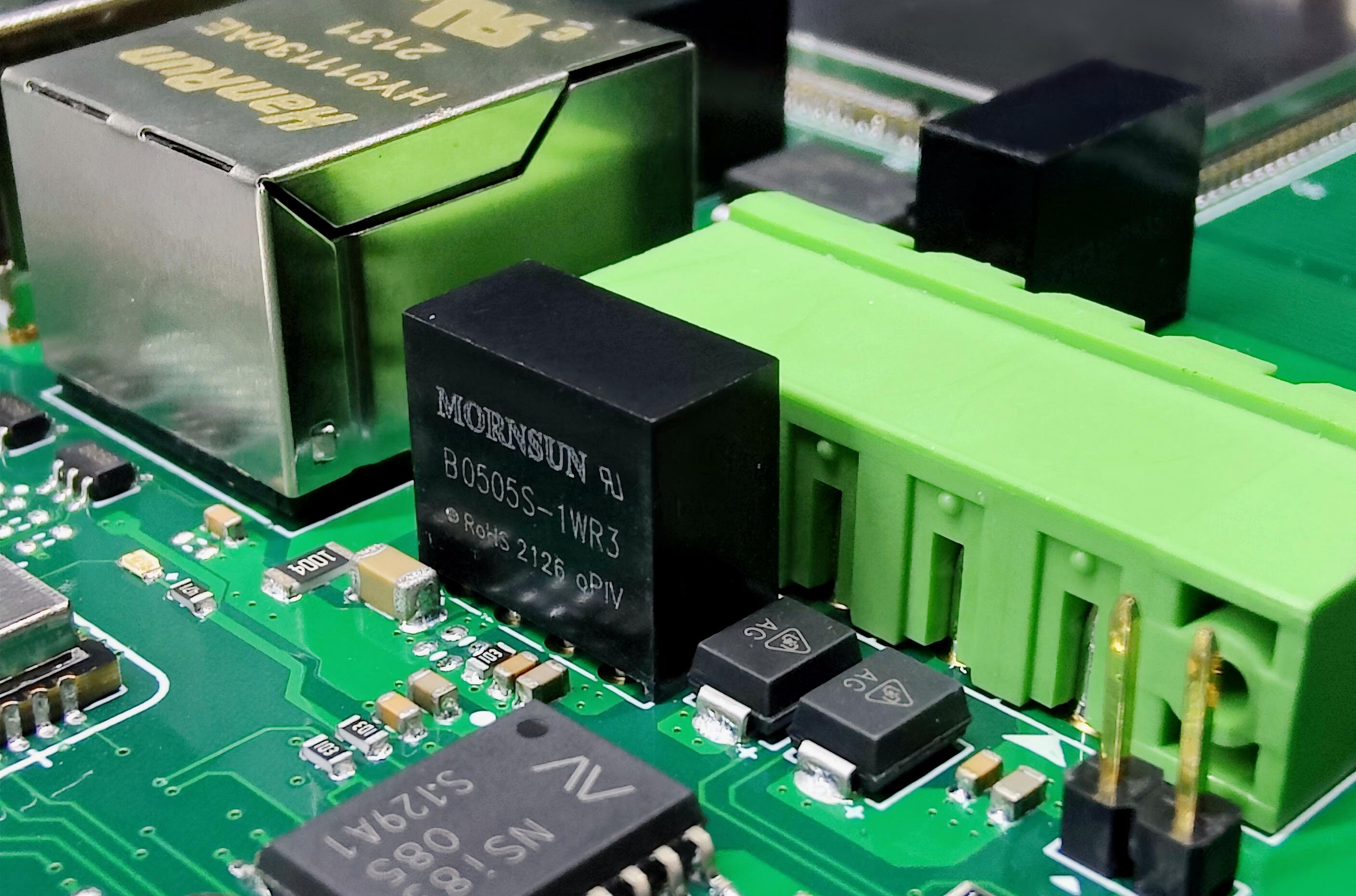
Choosing the right PCB assembly factory is crucial for ensuring the quality and reliability of electronic products in various industries. A PCB assembly factory offers a range of services, including the assembly of printed circuit boards (PCBs) and printed circuit board assemblies (PCBA), which are essential components in devices used across aerospace, medical, and automotive sectors. This article will guide purchasing managers and engineers through the critical considerations for selecting a PCB assembly factory, evaluating quality control, finding reliable suppliers, and understanding the applications that benefit from high-quality PCB assembly.
How to Evaluate Quality Control in PCB Assembly Processes
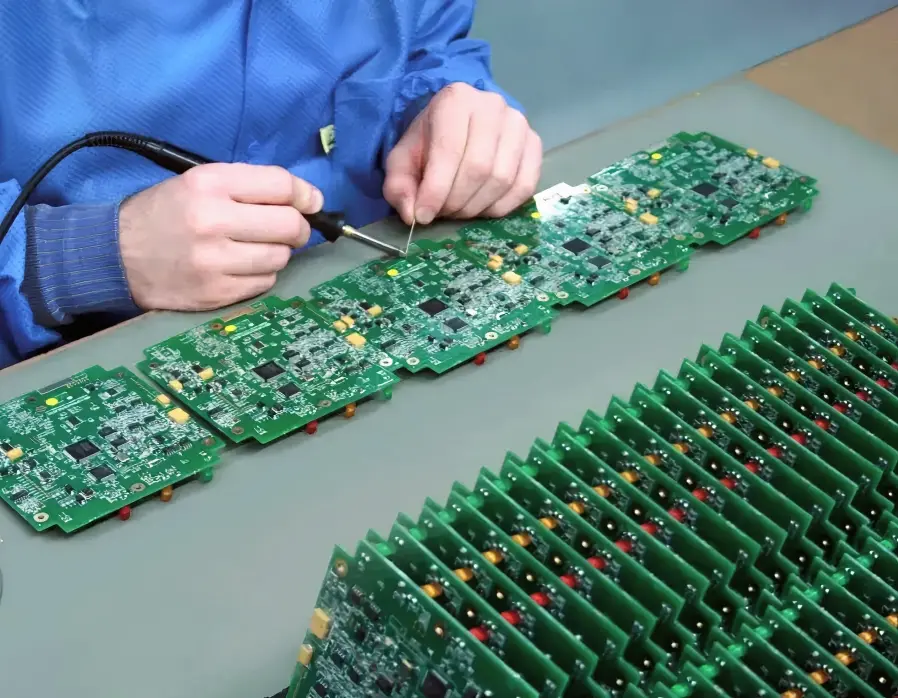
Quality control is a critical aspect of PCB assembly processes. Buyers should look for factories that implement rigorous quality assurance measures throughout the production cycle. Start by reviewing the factory's quality control protocols and inspection processes. A comprehensive quality control plan should cover the following:
Incoming Material Inspection: Ensure that all materials, including components and raw PCBs, are inspected upon arrival to verify compliance with specifications.
In-Process Quality Checks: Regular inspections during assembly should be conducted to catch defects early. This includes monitoring solder application, component placement, and alignment.
Final Product Testing: Before shipment, the finished products should undergo thorough testing. This may include functional testing, thermal cycling tests, and electrical performance tests.
Documentation and Traceability: A reliable factory should maintain complete records of all inspections and tests, providing traceability for each batch produced. This documentation is invaluable for quality audits and compliance verification.
By scrutinizing these quality control processes, buyers can ensure that the PCB assembly factory maintains high standards and delivers reliable products.