EN

Understanding PCB manufacturing and assembly is crucial for businesses in sectors like aerospace, medical, and automotive. This process involves creating printed circuit boards (PCBs) and their assembly, ensuring they meet specific quality and performance standards. For B2B buyers, concerns often revolve around quality assurance, cost-effectiveness, and supplier reliability. This article will provide insights into key aspects of PCB manufacturing and assembly, helping you make informed decisions when selecting a supplier.
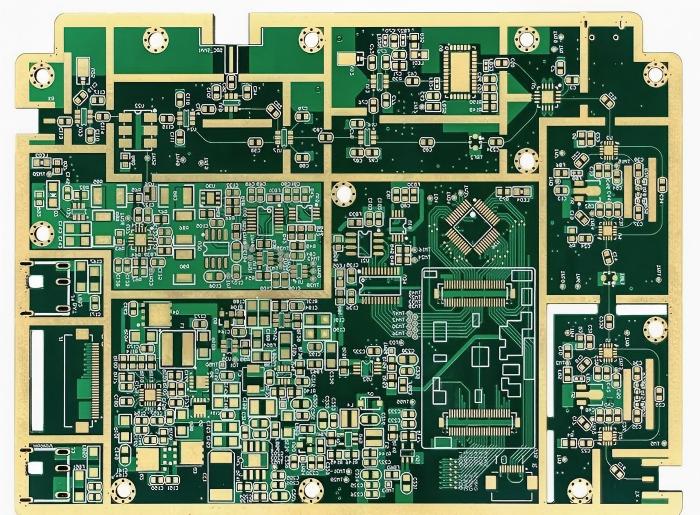
Cost Factors to Consider When Sourcing PCBs Wholesale
When sourcing PCBs wholesale, several cost factors can influence the overall price. Understanding these factors can help buyers make more informed purchasing decisions.
Material Selection: The choice of materials, such as FR-4, polyimide, or other substrates, can significantly affect costs. High-performance materials may come with a premium but offer better thermal stability or signal integrity, which can be crucial in specific applications.
Layer Count: The complexity of the PCB design, including the number of layers, directly impacts the manufacturing cost. More layers typically require more advanced equipment and longer production times, thus increasing the price.
Production Volume: Bulk orders often reduce per-unit costs due to economies of scale. Buyers should consider their projected demand and balance it with their budget constraints when determining order quantities.
Testing and Certification: Additional testing and compliance certifications, such as IPC standards, may incur extra charges but are essential for industries where safety and reliability are paramount.
By evaluating these cost factors, buyers can align their budgets with their project requirements and avoid unexpected expenses.