Choosing a Reliable PCB Assembly Manufacturer

All Categories

Get a Free Quote

Our representative will contact you soon.
Email
Phone
WhatsApp
Name
Message
0/1000
Upload File
Please upload at least an attachment
Up to 3 files, each no larger than 30MB. Supported formats: jpg, jpeg, png, pdf, doc, docx, xls, xlsx, csv, txt, stp, step, igs, x_t, dxf, prt, sldprt, sat, rar, zip.

Pcb assembly manufacturer

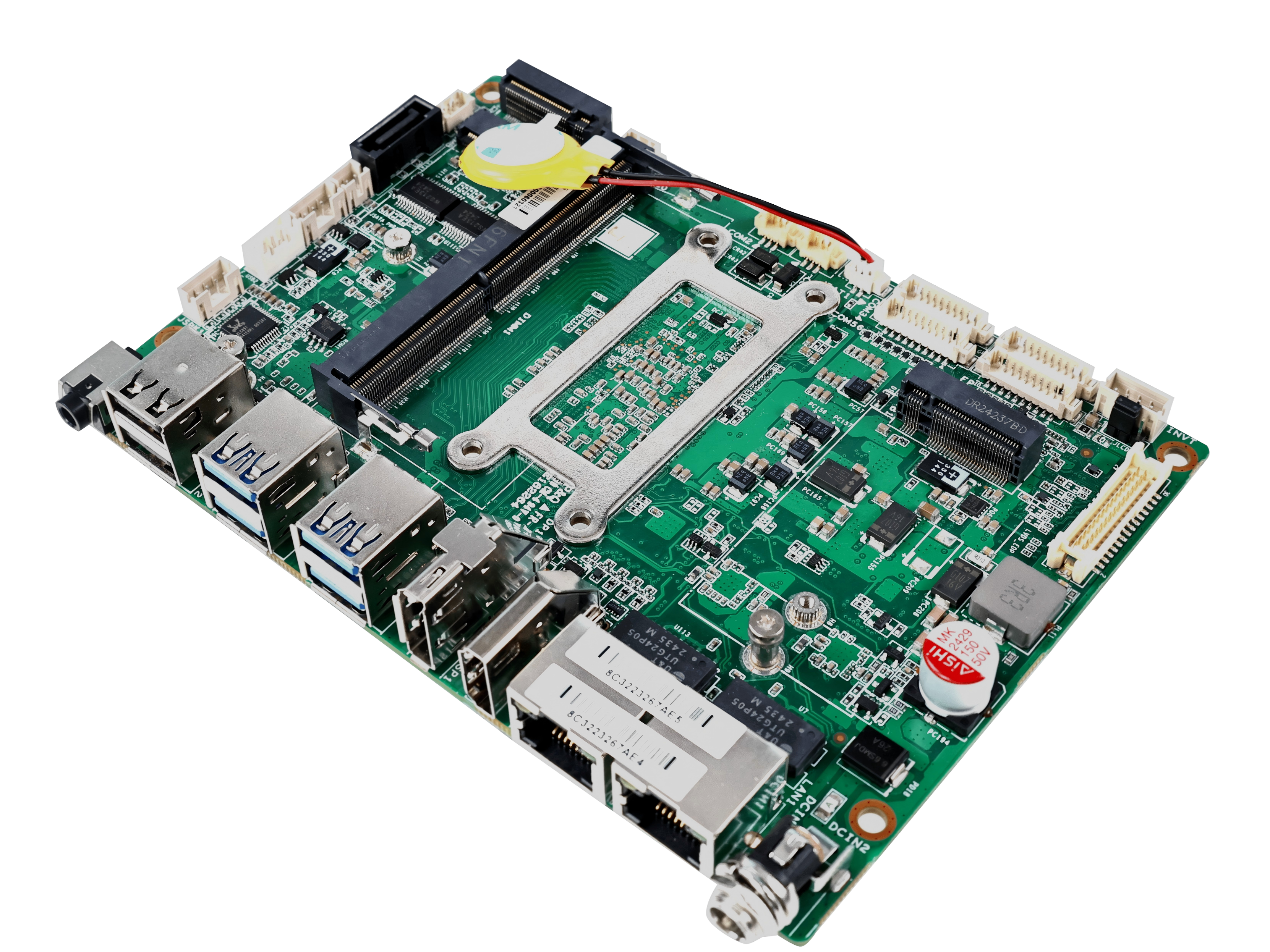
Choosing a reliable PCB assembly manufacturer is crucial for the success of your electronics projects. A manufacturer that specializes in PCB assembly not only impacts the quality and reliability of your products but also influences lead times and overall project costs. With options ranging from single-layer to complex multi-layer boards, understanding what to look for in a supplier can help mitigate risks associated with manufacturing delays and quality issues. This article will guide you through critical factors to consider while selecting a PCB assembly manufacturer, installation guidelines for various applications, common problems and solutions in Suntech Electronics PCB assembly, essential buyer knowledge, and how to assess technical expertise effectively. 
How to Choose a Reliable PCB Supplier for Your Projects

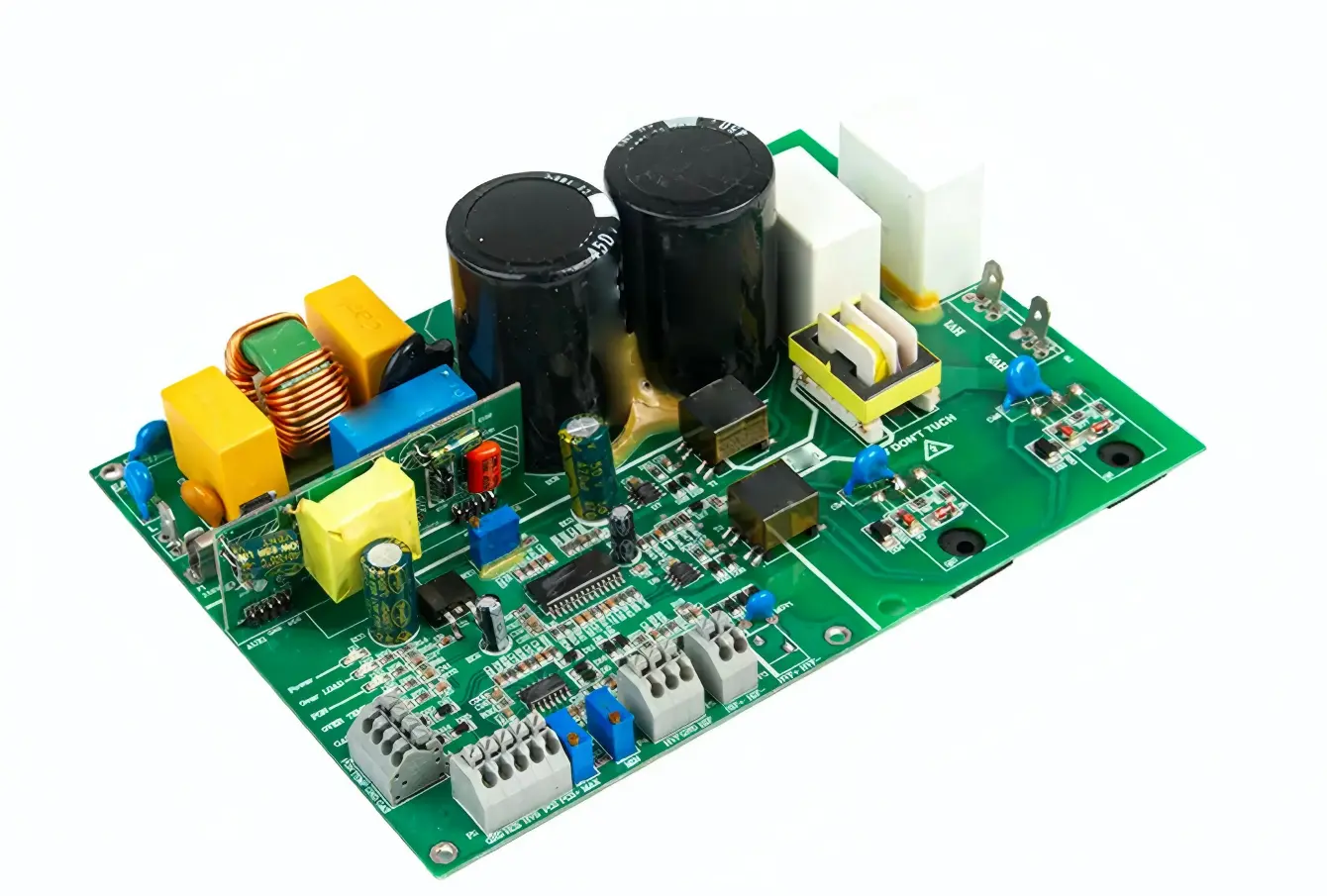
Selecting the right Suntech Electronics PCB assembly manufacturer involves several key considerations. First and foremost, evaluate their manufacturing capabilities. Ensure that they can accommodate your specific needs, such as layer count (1-50 layers), technology (e. g., HDI, rigid-flex), and assembly methods (SMT/DIP). 

Next, verify their quality certifications. Reliable manufacturers often hold ISO and IATF certifications that guarantee adherence to quality management systems. This is particularly important in industries like aerospace and medical, where precision and reliability are non-negotiable. 

Additionally, assess their prototyping and mass production capabilities. A manufacturer that offers a full-chain service from prototyping to mass production can streamline your supply chain, reducing lead times and costs. Be sure to inquire about their testing processes, such as X-ray and ICT testing, which are essential for ensuring the functionality and reliability of your PCB assemblies. 

Lastly, consider their customer support and responsiveness. A manufacturer that communicates effectively and provides timely feedback can significantly enhance your project experience, making it easier to address any issues that may arise during the manufacturing process.

Get a Free Quote

Our representative will contact you soon.
Email
Phone
WhatsApp
Name
Message
0/1000
Upload File
Please upload at least an attachment
Up to 3 files, each no larger than 30MB. Supported formats: jpg, jpeg, png, pdf, doc, docx, xls, xlsx, csv, txt, stp, step, igs, x_t, dxf, prt, sldprt, sat, rar, zip.

Related product categories

Installation Guidelines for PCB Assemblies in Various Applications

Installation Guidelines for PCB Assemblies in Various Applications

Proper installation of PCB assemblies is critical for optimal performance in applications ranging from medical devices to automotive systems. Here are some guidelines to follow: 

Surface Preparation: Ensure that the surface where the PCB will be installed is clean and free from dust, moisture, or contaminants. This is crucial for ensuring a strong bond and preventing potential electrical issues. 

Thermal Management: In applications where heat dissipation is a concern, consider the thermal characteristics of the environment. Using thermal pads or heat sinks may be necessary to ensure the PCB operates within its specified temperature range. 

Mechanical Fit: Double-check that the PCB fits correctly within its enclosure. A misaligned or improperly fitted board can lead to stress on components and potential failures. 

Testing Before Full Assembly: For critical applications, conduct a functional test of the PCB before final installation. This step helps identify any early issues, allowing for corrections before the board is integrated into the final product. 

Follow Manufacturer Recommendations: Always adhere to the guidelines provided by your pcb component sourcing manufacturer regarding installation procedures and environmental considerations. 
Common Problems in PCB Assembly and Their Solutions

Common Problems in PCB Assembly and Their Solutions

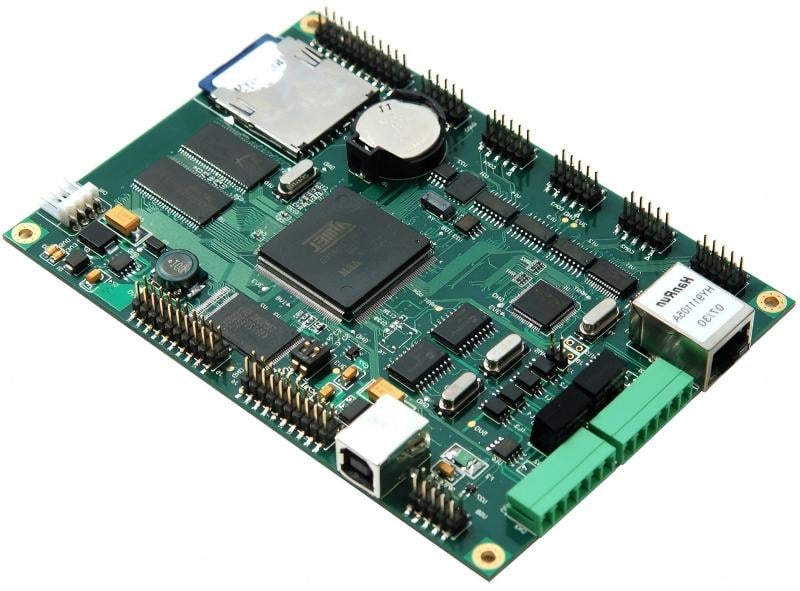
PCB assembly can present various challenges that may impact product performance. Here are some common problems and suggested solutions: 

Soldering Issues: Poor solder joints can lead to intermittent connections. To combat this, ensure that the soldering process is closely monitored and that the correct solder type and temperature are used. Implementing automated inspection methods can also identify defects early. 

Component Placement Errors: Misalignment or incorrect placement of components can lead to circuit failures. Utilizing automated pick-and-place machines can improve accuracy and reduce human error during assembly. 

Material Compatibility: Incompatible materials can lead to failures, particularly in high-stress applications. Always verify the compatibility of components, such as adhesives and coatings, with the PCB materials. 

Insufficient Testing: Failing to conduct thorough testing can result in undetected issues. Implementing comprehensive testing procedures, including visual inspections and functional testing, can help identify potential problems before they escalate. 

Environmental Factors: Exposure to extreme temperatures or moisture can degrade component sourcing turnkey pcb performance. Ensure that PCBs are designed and manufactured to withstand the specific environmental conditions they will encounter in their application.

What Buyers Should Know

What Buyers Should Know

When sourcing Suntech Electronics PCBs, buyers should be prepared with specific information to facilitate an accurate RFQ (Request for Quotation). Here are essential details to include: 

Specifications: Clearly define the required specifications, including dimensions, layer count, material type (e. g., FR-4, Rogers), and finish (e. g., HASL, ENIG). 

Quantity: Indicate the order quantity. Manufacturers often have minimum order quantities (MOQs), which can affect pricing and lead times. 

Application: Provide information about the intended application. Different applications may have unique requirements, such as thermal management or regulatory compliance. 

Customization Needs: If customization is required, detail any specific requirements, such as unique shapes, component placements, or special finishes. 

Testing Requirements: Specify any required testing standards, such as IPC-A-610 for acceptability of electronic assemblies, to ensure the manufacturer meets your quality expectations. 

By being thorough in your RFQ, you can streamline the quotation process and receive more accurate proposals from potential suppliers.

Assessing Technical Expertise in PCB Assembly Production

Understanding the technical expertise of a PCB assembly manufacturer is vital for ensuring high-quality production. Here are key aspects to evaluate: 

Technical Experience: Investigate the manufacturer's experience in your specific industry. A company with a proven track record in aerospace, medical, or automotive sectors will be better equipped to handle industry-specific challenges. 

Production Equipment: Examine the technology and equipment used in their manufacturing processes. Advanced machinery such as automated pick-and-place systems, reflow ovens, and inspection equipment indicates a commitment to precision and quality. 

Customization Capabilities: Assess their ability to handle custom designs and specifications. A manufacturer that can adapt to unique requirements demonstrates technical flexibility and innovation. 

Testing and Quality Control: Inquire about their quality control processes. A robust testing program, including automated optical inspection (AOI) and in-circuit testing (ICT), is essential for identifying defects early in the production process. 

Technical Support: Evaluate the level of technical support offered. A manufacturer that provides guidance on design for manufacturability (DFM) can help optimize your designs and reduce production challenges. 

By focusing on these aspects, you can select a power supply pcb components manufacturer that not only meets your technical requirements but also enhances the overall quality and reliability of your products.

Get a Free Quote

Our representative will contact you soon.
Email
Phone
WhatsApp
Name
Message
0/1000
Upload File
Please upload at least an attachment
Up to 3 files, each no larger than 30MB. Supported formats: jpg, jpeg, png, pdf, doc, docx, xls, xlsx, csv, txt, stp, step, igs, x_t, dxf, prt, sldprt, sat, rar, zip.