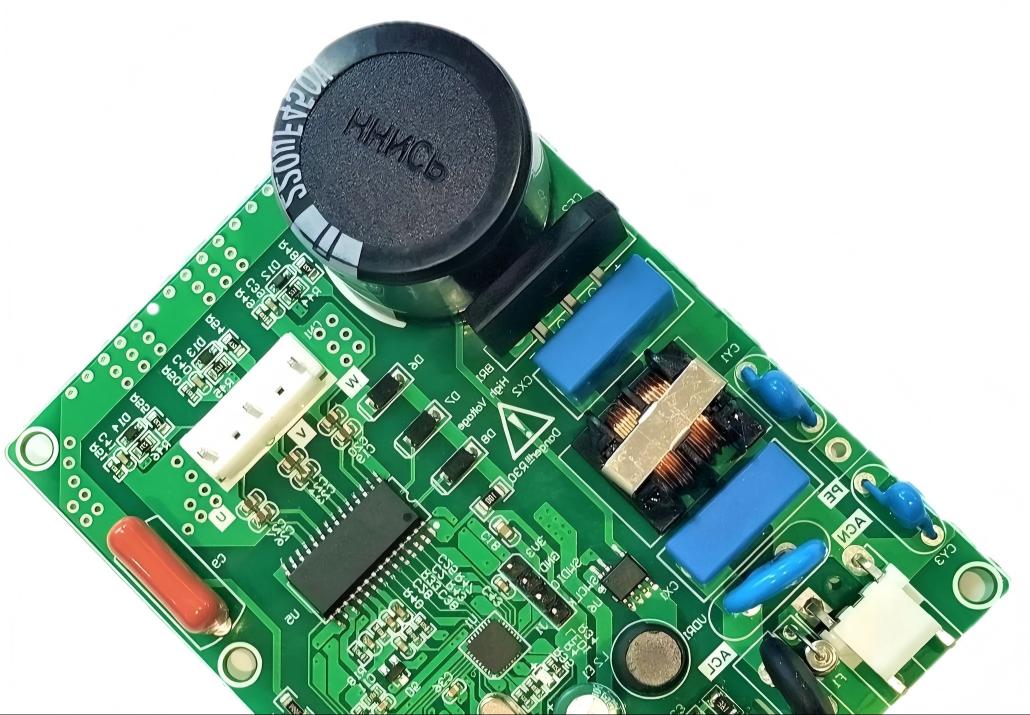
Key Specifications for PCB Assembly Supplier Selection

All Categories

Get a Free Quote

Our representative will contact you soon.
Email
Phone
WhatsApp
Name
Message
0/1000
Upload File
Please upload at least an attachment
Up to 3 files, each no larger than 30MB. Supported formats: jpg, jpeg, png, pdf, doc, docx, xls, xlsx, csv, txt, stp, step, igs, x_t, dxf, prt, sldprt, sat, rar, zip.

pcb assembly supplier

When sourcing PCB assembly  services, it  is vital  to understand the complexities involved in the  manufacturing  process. A  reliable  pcb assembly  supplier can significantly impact your project's success, particularly in industries like aerospace,  medical, and automotive, where  precision  and quality are  non-negotiable. This article will  guide you  through  key specifications,  quality control measures, and common challenges in  PCB  assembly, helping you make informed decisions as you  evaluate  potential suppliers.
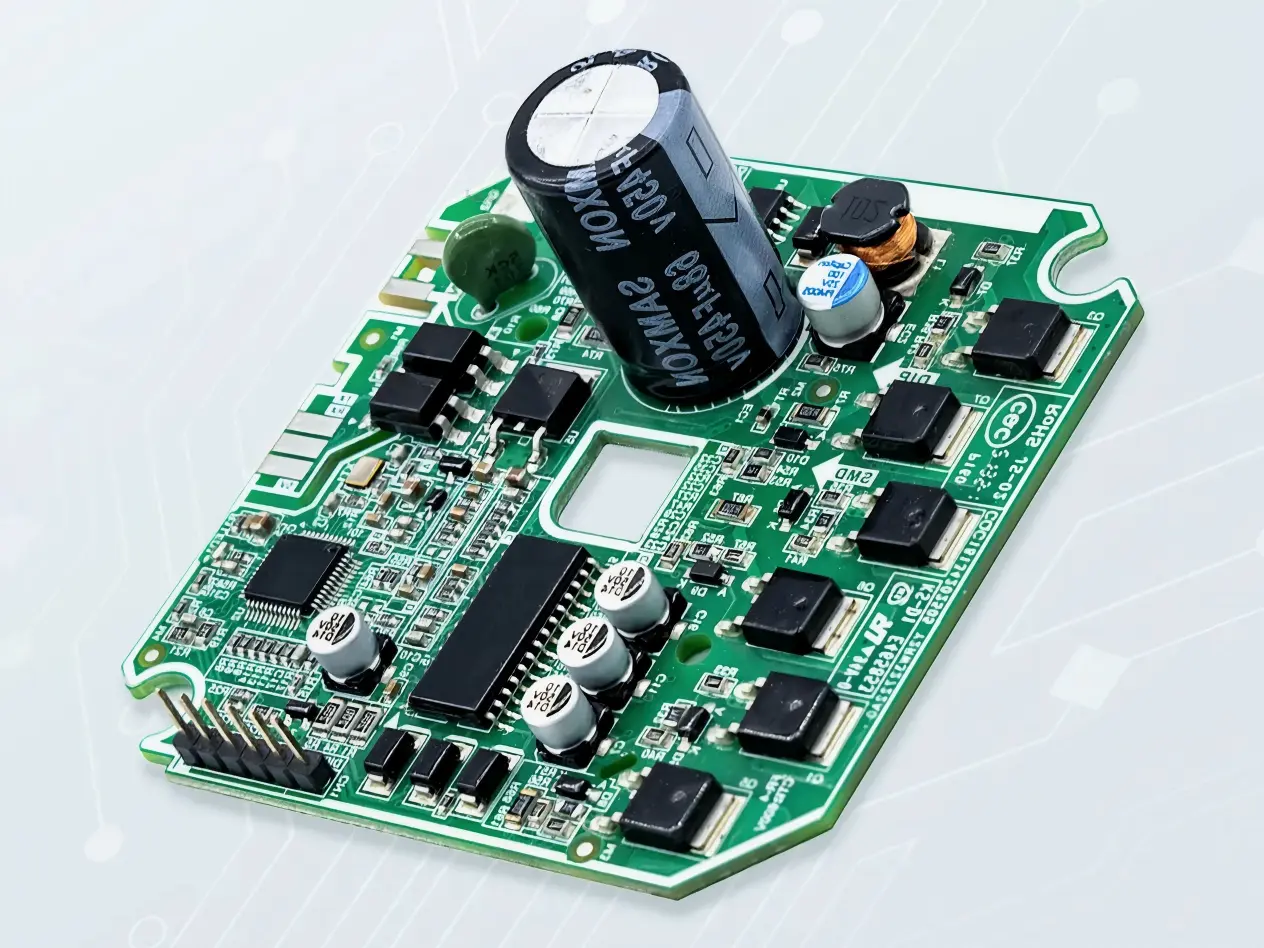
Key Specifications to Evaluate When Sourcing PCB Assembly Services

When assessing a PCB assembly supplier, several  critical specifications should be considered:

Layer Count and Type: Suppliers  often provide PCBs with varying layer counts, typically ranging from 1 to 50 layers. The choice between HDI (High-Density Interconnect) and rigid-flex PCBs should align with your project’s complexity and space constraints.

Manufacturing Process: Understanding the supplier's  capabilities in SMT (Surface Mount Technology) and DIP (Dual In-line Package) assembly is crucial. Each process has its  strengths, and the choice will depend on the specific requirements  of your product.

Testing Capabilities: Look  for suppliers that utilize sophisticated testing methods such as SPI  (Solder Paste Inspection), X-ray inspection, and ICT (In-Circuit Testing). These techniques ensure that the assembly meets  quality standards  and can prevent costly  defects.

Material Compliance: Ensure the materials used are compliant with industry standards, especially  in sensitive applications like  aerospace and medical devices. This includes RoHS compliance and verification of material  origin.


Customization Options: Many projects  require  bespoke solutions.  It's essential to evaluate the  supplier's flexibility in terms of design modifications, material selection,  and production  techniques to meet unique specifications.

Get a Free Quote

Our representative will contact you soon.
Email
Phone
WhatsApp
Name
Message
0/1000
Upload File
Please upload at least an attachment
Up to 3 files, each no larger than 30MB. Supported formats: jpg, jpeg, png, pdf, doc, docx, xls, xlsx, csv, txt, stp, step, igs, x_t, dxf, prt, sldprt, sat, rar, zip.

Related product categories

Quality Control and Supplier Reliability

Quality Control and Supplier Reliability

Quality control is paramount in PCB assembly. A reliable supplier  should have robust quality assurance processes in place, including:

ISO/IATF Certification: Suppliers  with  ISO 9001 or IATF 16949 certifications demonstrate a commitment to quality management systems,  which is especially important in the automotive sector.

Process  Monitoring: Continuous monitoring during the manufacturing process can help identify and rectify issues in real time. Ask  potential suppliers about their methodologies for maintaining quality throughout  production.

Sample  Approval: Before commencing mass production, ensure that you  can review and approve a sample. This  step is  crucial for confirming that  the assembly matches  the  specified design, dimensions, and performance requirements.


Track Record:  Evaluate the supplier's history with past clients and projects. A  supplier with a  proven track record in your industry is  more likely to understand your specific  needs and challenges.
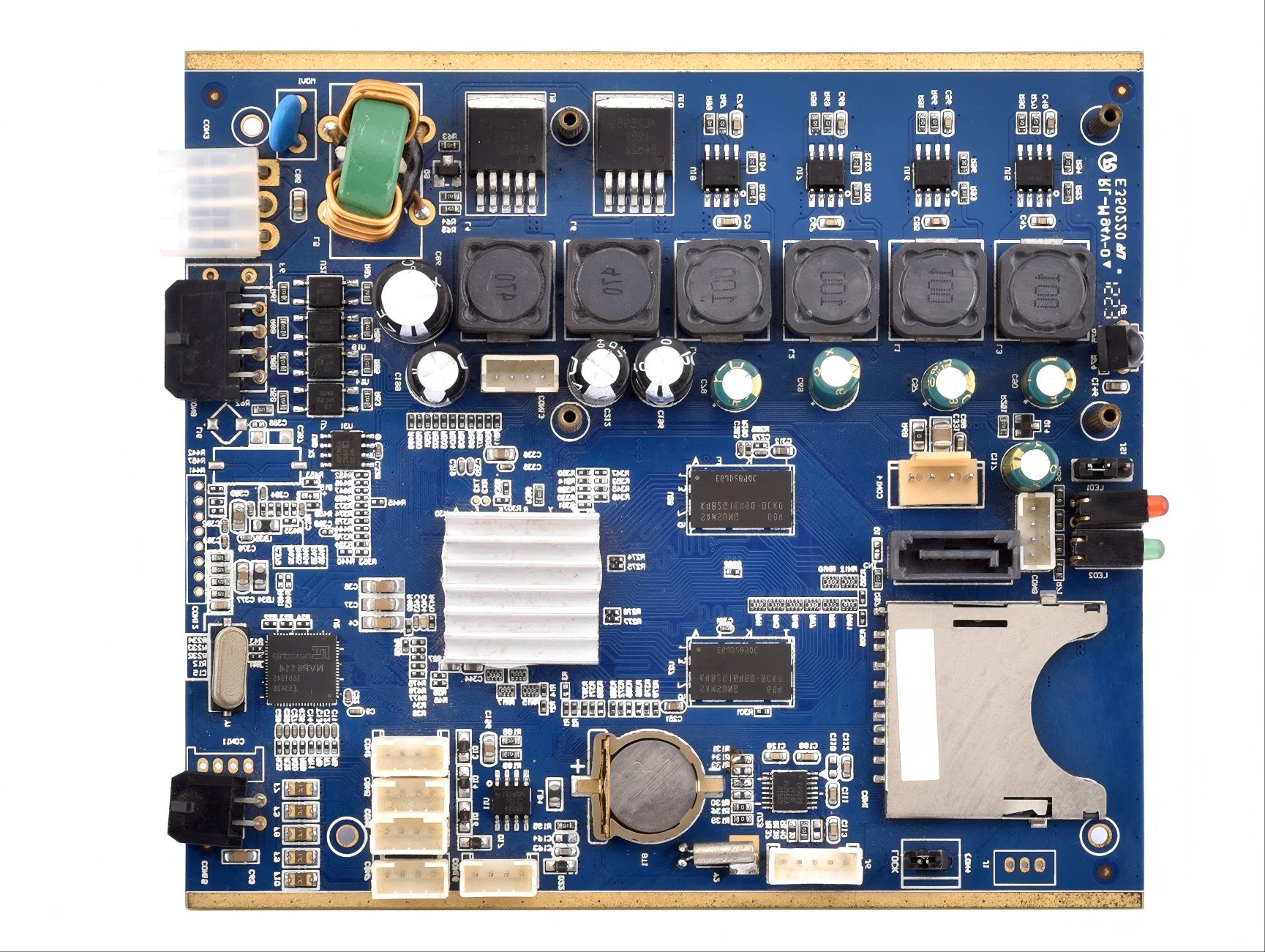
What to Look for in a PCB Assembly Supplier for Aerospace Applications

What to Look for in a PCB Assembly Supplier for Aerospace Applications

In aerospace  applications, the stakes are  particularly high, and the following factors should be  prioritized when selecting  a PCB assembly supplier:


Regulatory Compliance: Ensure the supplier adheres to aerospace industry standards, including AS9100, which specifies  quality management systems for aerospace manufacturing. This compliance can significantly reduce  risks associated with safety and reliability.

Traceability: The ability to trace materials  and components back to their origin is vital in aerospace applications. Suppliers should provide documentation that outlines  the supply chain for all  materials used in the assembly.

Failure Analysis: A strong supplier will conduct thorough failure analysis and offer  insights based on previous projects.  This proactive  approach can  help prevent issues that  could  arise during the lifecycle of the PCB.

Environmental Considerations:  Aerospace components often  operate  in extreme conditions. Ensure that the  materials and coatings used in the assembly can withstand temperature fluctuations, moisture, and other environmental factors.

Ensuring Seamless Integration

Ensuring Seamless Integration

For a successful PCB assembly, seamless integration with other components is  critical.  Here are several  considerations to ensure  compatibility:

Design Collaboration: Work closely with your PCB manufacturer during the design phase to address potential integration  issues. Early collaboration can lead to better compatibility and reduce redesign costs later in  the  process.

Mechanical Fit:  Ensure that  the  dimensions and layout of the PCB align with the mechanical specifications of  the final product. It’s  vital  to confirm that all connectors and  components will fit correctly within the designated space.

Electrical Compatibility: Verify that  the electrical characteristics  of the PCB match  those required by the overall system. This includes  checking the impedance, signal  integrity, and power  distribution to avoid performance issues.

Common Problems in PCB Assembly and Effective Solutions to Consider

Several common challenges can arise during PCB assembly. Understanding these issues can help you mitigate risks:

Soldering Defects: Poor solder joints can lead to device failure. To combat this, ensure  that your supplier employs  effective soldering techniques  and conducts thorough  inspections using SPI and  X-ray methods.

Component Misalignment: Misalignment during assembly can result in functional issues. Stress the importance of precision in the assembly process and confirm that the supplier  has automated systems to minimize human error.

Thermal Management: Overheating can damage PCBs. Discuss thermal management strategies with your supplier, including the use of heat sinks  or thermal pads, to ensure that the assembly can dissipate heat effectively.


Communication Gaps: Misunderstandings regarding specifications can lead to costly mistakes. To avoid this, maintain open lines of communication with your supplier and clarify all project requirements,  including deadlines and expected delivery formats.

By  focusing on these key areas,  you  can choose a pcb assembly supplier that aligns with your project needs and  industry standards.  Understanding the  nuances of PCB assembly not only assists  in selecting the right supplier but also ensures  that your  project progresses smoothly from initial  design  to final production.

Get a Free Quote

Our representative will contact you soon.
Email
Phone
WhatsApp
Name
Message
0/1000
Upload File
Please upload at least an attachment
Up to 3 files, each no larger than 30MB. Supported formats: jpg, jpeg, png, pdf, doc, docx, xls, xlsx, csv, txt, stp, step, igs, x_t, dxf, prt, sldprt, sat, rar, zip.