High-Quality PCB Assembly Services for B2B Buyers

All Categories

Get a Free Quote

Our representative will contact you soon.
Email
Phone
WhatsApp
Name
Message
0/1000
Upload File
Please upload at least an attachment
Up to 3 files, each no larger than 30MB. Supported formats: jpg, jpeg, png, pdf, doc, docx, xls, xlsx, csv, txt, stp, step, igs, x_t, dxf, prt, sldprt, sat, rar, zip.

printed circuit board assembly service

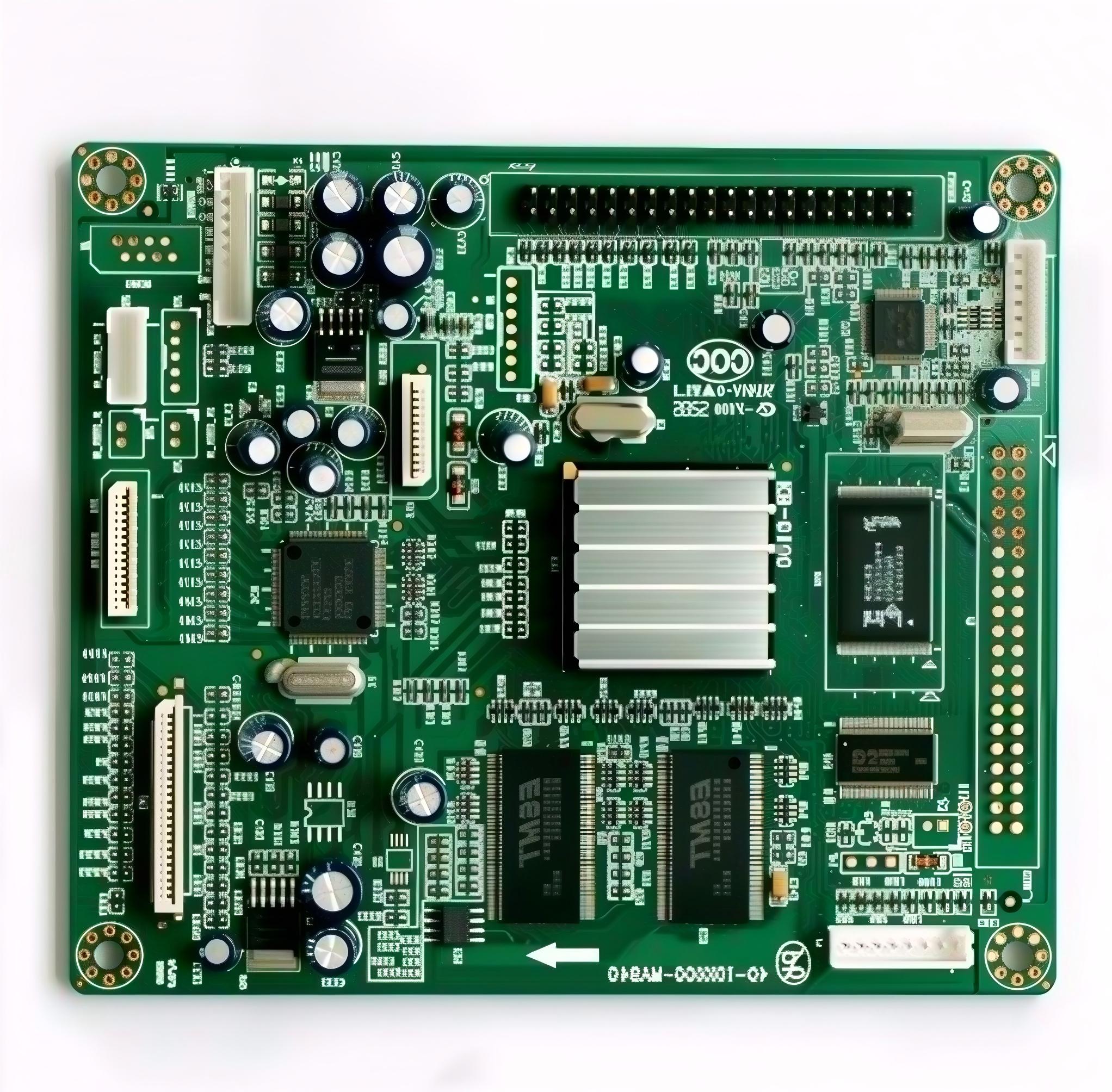
Printed circuit board assembly service  (PCBA) is  a  critical component  in the production  of electronic devices, encompassing  everything  from simple  circuit boards to complex  multilayer designs. For B2B  buyers,  including purchasing managers and engineers, understanding the nuances  of  PCB assembly is  essential to ensure product quality, cost-effectiveness, and suitability for specific applications. This article will  provide insights into key specifications, cost evaluations, common issues, material choices, and manufacturing  methods relevant to PCB assembly, helping you make  informed  decisions in your  procurement process.
 

Key Specifications for High-Quality Printed Circuit Board Assembly

When evaluating  PCB assembly services, several specifications are vital to ensuring high-quality output. Key  factors include:

Layer  Count: The complexity and  functionality of the PCB often depend on its layer count. For instance, designs with 1-50 layers are common, with higher layers providing greater circuit density and improved signal integrity.

Surface  Finish: The surface finish affects solderability and corrosion resistance.  Options include ENIG  (Electroless Nickel Immersion Gold)  and HASL (Hot Air Solder Leveling), each suitable for  different environments.


Minimum Trace Width and Spacing: These specifications dictate  how densely components can be packed on the board. Smaller dimensions can lead to more compact designs  but  may also increase production complexity.

Material Type: The choice of substrate  material,  such as FR4 or Rogers materials, impacts  thermal performance and dielectric properties. Selecting the right material is crucial for applications in industries like aerospace or medical  devices.

Quality Assurance Measures:  Look for manufacturers that employ industry-standard testing methods, including X-ray inspection and  In-Circuit Testing (ICT), to ensure that the assembled boards meet your quality requirements.

Understanding these specifications allows buyers to align their needs with the capabilities of a PCB assembly service  provider effectively.

Get a Free Quote

Our representative will contact you soon.
Email
Phone
WhatsApp
Name
Message
0/1000
Upload File
Please upload at least an attachment
Up to 3 files, each no larger than 30MB. Supported formats: jpg, jpeg, png, pdf, doc, docx, xls, xlsx, csv, txt, stp, step, igs, x_t, dxf, prt, sldprt, sat, rar, zip.

Related product categories

How to Evaluate the Cost of PCB Assembly Services for Bulk Orders

How to Evaluate the Cost of PCB Assembly Services for Bulk Orders

Evaluating costs for  PCB assembly  services involves multiple factors beyond just the  unit price. Here’s what buyers should consider:

Volume Discounts: Bulk orders typically qualify for volume discounts, making it  essential to understand how pricing scales with quantity. Requesting quotes at various  quantities can help identify the optimal order size for cost efficiency.

Material Costs: The choice of materials significantly influences overall costs. High-performance  materials may increase the price but can be necessary for specific applications,  such as those requiring high thermal stability or low signal loss.

Assembly Complexity: The complexity of the design, including the types of components and the assembly methods (SMT vs.  DIP), affects labor  costs. More intricate designs may require more assembly time and specialized  skill sets, thus increasing the total cost.

Lead Times: Shorter lead times may incur expedited shipping costs or  require premium pricing.  Understanding the balance between lead  time and cost can help in planning  and  budgeting.

Testing and Quality Control: Ensure that the quoted price includes necessary testing and inspection processes. These  are crucial for ensuring that the PCBs meet required  quality standards and  can prevent costly rework or failures in the  field.

By comprehensively evaluating these cost factors, buyers can make more informed decisions and optimize their procurement strategies.
 
Common Issues in PCB Assembly and Effective Solutions for Buyers

Common Issues in PCB Assembly and Effective Solutions for Buyers

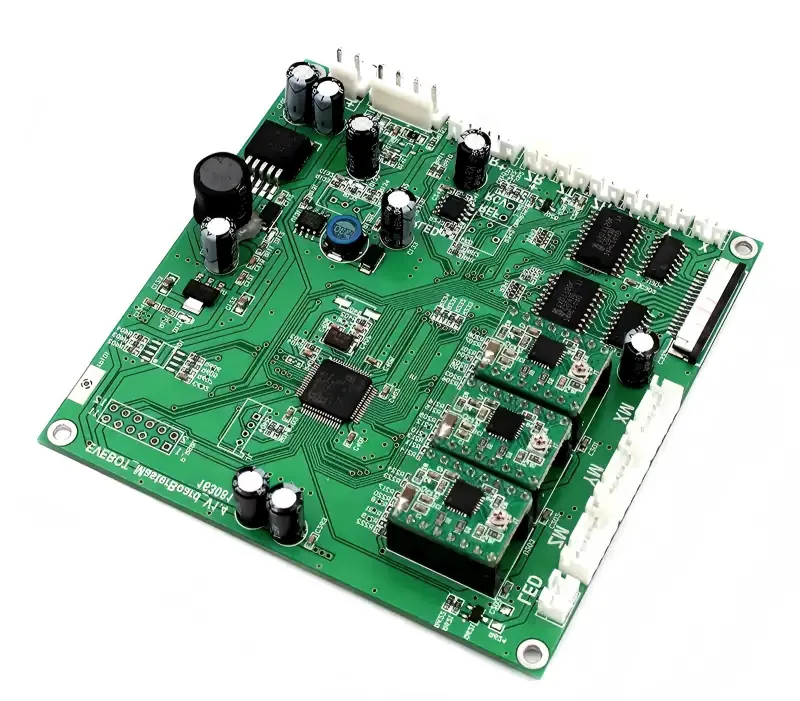
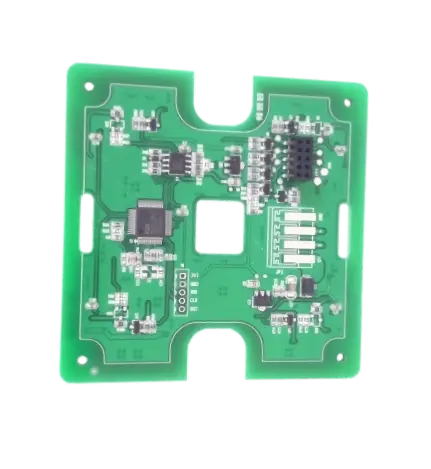
PCB  assembly comes with its fair share of challenges. Recognizing common issues and their solutions  can enhance the procurement process:

Solder Joint Quality: Poor solder joints can lead to  failures.  Buyers should specify  the desired soldering process and request samples to  evaluate joint quality before mass production.


Component Placement Accuracy: Misalignment during assembly can lead to functional failures. Buyers should confirm that  the assembly service  uses precise placement equipment  and provide design files in formats that minimize  errors.

Thermal Management: Inadequate thermal performance can result in overheating. Buyers should assess  thermal simulation reports  and request  feedback on how thermal management strategies are  implemented in the assembly process.

Material Compatibility: Using incompatible materials can cause delamination or other failures. Ensure that the PCB assembly service is aware of the application requirements and selects materials  accordingly.


Communication Gaps: Clear communication about design specifications and expectations can prevent misunderstandings. Establishing a good rapport  with the assembly service and being available for questions  can mitigate this risk.

By addressing these common issues proactively, buyers can reduce the  risk of complications during the assembly process.

Choosing the Right Materials for Your PCB Assembly Projects

Choosing the Right Materials for Your PCB Assembly Projects

Material selection is a critical aspect of PCB assembly  that affects performance, durability, and cost. Here are  key considerations:


Substrate Type: The most common  substrate is FR4 due to its balance of performance and cost. However,  for high-frequency applications, materials like  Rogers may be preferred due to their superior dielectric properties.

Thermal  Conductivity: In applications where heat dissipation is crucial, materials with high thermal conductivity  should be prioritized. This is especially important in automotive and aerospace  applications where overheating can lead to failures.


Chemical  Resistance: Depending on the operating  environment, materials must resist  chemicals and moisture. Considerations for medical or industrial applications may necessitate materials  that can withstand harsh conditions.


Electrical Properties: The dielectric constant and loss tangent are  critical for high-speed applications. Ensure that the selected materials meet the electrical performance requirements of your specific application.


Cost vs.  Performance: While higher-end materials can improve performance, they also increase costs. It’s essential to balance the need for performance with budget constraints.

By carefully selecting materials based on these criteria,  buyers  can significantly enhance the reliability and functionality of their PCB assemblies.

SMT vs. DIP for Your Needs

Surface Mount Technology (SMT) and Dual In-line Package (DIP) are two primary assembly methods, each with distinct advantages and  considerations:

Surface Mount Technology (SMT): SMT is  favored for its ability to support a higher  density of components and smaller footprints. It allows for automated assembly  processes, which can lead to  lower labor costs and faster production times. SMT is often preferred for modern electronic devices due to its efficiency and versatility.


Dual In-line Package (DIP): DIP components  are typically larger  and easier to handle, making  them suitable for prototyping and applications where manual assembly is common. They are often used in  legacy systems or for components requiring  significant heat dissipation.

Performance Requirements: Consider  the specific performance needs of your application. SMT components  can provide better electrical performance at high frequencies, while DIP may be necessary for ruggedness  in certain environments.

Cost Considerations: SMT can be  more cost-effective  for high-volume production,  while DIP may incur higher costs due to slower assembly processes. Assessing the total cost implications for your project is essential.

Ultimately, the  choice between SMT and DIP should align with the specific project requirements, production volumes, and budget constraints, ensuring  optimal performance and cost-effectiveness for your  PCB assembly needs.

Get a Free Quote

Our representative will contact you soon.
Email
Phone
WhatsApp
Name
Message
0/1000
Upload File
Please upload at least an attachment
Up to 3 files, each no larger than 30MB. Supported formats: jpg, jpeg, png, pdf, doc, docx, xls, xlsx, csv, txt, stp, step, igs, x_t, dxf, prt, sldprt, sat, rar, zip.