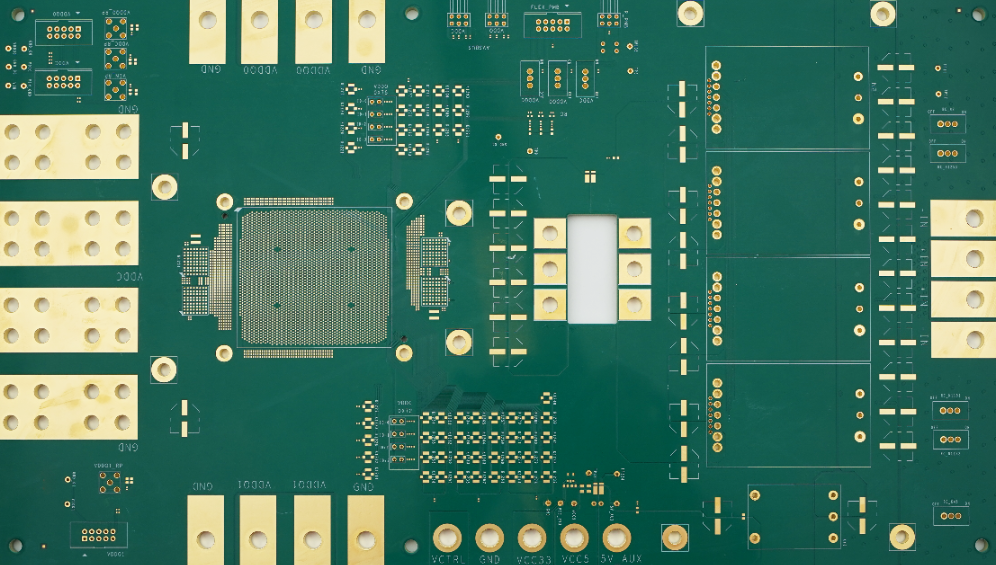
Reliable Prototype Printed Circuit Board Manufacturers

All Categories

Get a Free Quote

Our representative will contact you soon.
Email
Phone
WhatsApp
Name
Message
0/1000
Upload File
Please upload at least an attachment
Up to 3 files, each no larger than 30MB. Supported formats: jpg, jpeg, png, pdf, doc, docx, xls, xlsx, csv, txt, stp, step, igs, x_t, dxf, prt, sldprt, sat, rar, zip.

Prototype printed circuit board manufacturers

Prototype printed circuit boards (PCBs) are essential components in various electronic applications, serving as the backbone for connecting and supporting electronic components. For businesses seeking reliable solutions, partnering with prototype printed circuit board manufacturers like Suntech Electronics can significantly streamline the development process. This article will help B2B buyers understand critical specifications, evaluate costs, assess quality, and explore applications across different industries, ensuring informed purchasing decisions. 
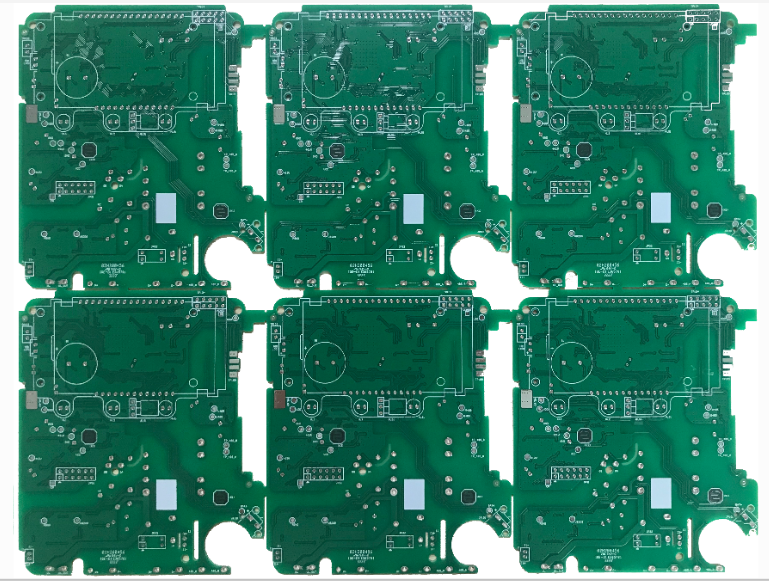
Where to Source Reliable Prototype Printed Circuit Board Suppliers

When evaluating prototype printed circuit boards, several key specifications must be considered to ensure they meet the intended application requirements. 

Layer Count: The number of layers in a PCB assembly can range from single-layer to multi-layer designs (up to 50 layers). More layers allow for complex circuit designs but may increase costs and production time.  

Material Selection: Common materials include FR-4, polyimide, and Rogers, each with unique thermal and electrical properties. The choice of material should align with the application’s thermal management and electrical performance needs. 

Thickness: PCB thickness can impact rigidity and thermal properties. A standard thickness is 1.6 mm, but custom thicknesses may be required for specific applications. 

Surface Finish: Options such as HASL, ENIG, or OSP affect solderability and corrosion resistance. Understanding these finishes helps determine compatibility with assembly processes. 

Impedance Control: This is crucial for high-frequency applications. The PCB manufacturer should provide guidance on trace width, spacing, and dielectric materials to maintain signal integrity. 

By confirming these specifications, buyers can ensure the PCBs will perform reliably in their intended environments. 

Get a Free Quote

Our representative will contact you soon.
Email
Phone
WhatsApp
Name
Message
0/1000
Upload File
Please upload at least an attachment
Up to 3 files, each no larger than 30MB. Supported formats: jpg, jpeg, png, pdf, doc, docx, xls, xlsx, csv, txt, stp, step, igs, x_t, dxf, prt, sldprt, sat, rar, zip.

Related product categories

Common Problems in Prototype PCB Production and Their Solutions

Common Problems in Prototype PCB Production and Their Solutions

Cost evaluation for bulk orders of PCBs and PCBAs involves multiple factors that can significantly influence the final price. Key considerations include: 

Material Costs: The choice of base material affects the overall cost. Specialty materials or higher-grade options like Rogers can lead to increased prices. 

Complexity of Design: More complex designs with higher layer counts and tighter tolerances often require more intricate manufacturing processes, leading to higher costs. 

Volume: Generally, the larger the order, the lower the per-unit cost due to economies of scale. However, minimum order quantities (MOQs) must be verified with the manufacturer. 

Assembly Services: If you require PCBA, additional assembly costs for SMT or DIP processes will be involved. The complexity of the assembly and the types of components will influence pricing. 

Quality Assurance: Ensure that the manufacturer has robust quality control processes, as this may add to the cost but is essential for reliability, especially in critical applications like aerospace or medical devices.  

By understanding these factors, buyers can negotiate better terms and make more informed purchasing decisions. 
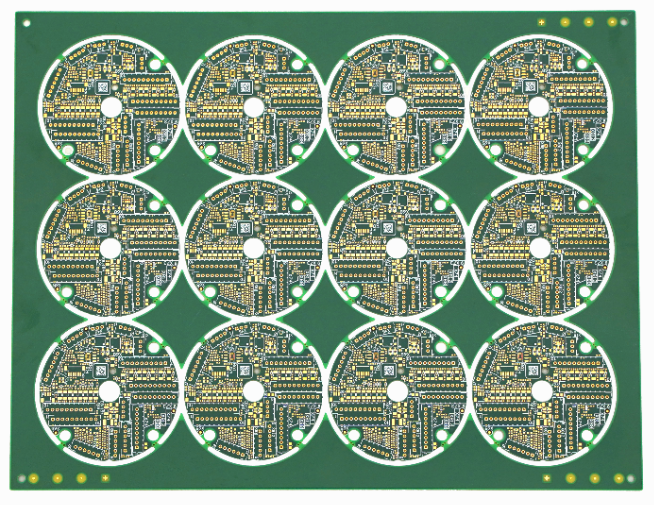
Installation Guidance for Your Prototype Printed Circuit Boards

Installation Guidance for Your Prototype Printed Circuit Boards

The intersection of quality, cost, and technical expertise is vital when selecting a prototype printed circuit board manufacturer. Buyers should assess: 

Certifications: Look for manufacturers that hold ISO and IATF certifications, indicating adherence to international quality standards. This is particularly important in industries like aerospace and medical, where quality is non-negotiable. 

Technical Support: A manufacturer with a strong engineering team can provide invaluable insights during the design phase, helping avoid costly mistakes. Their expertise can assist in optimizing designs for manufacturability and cost-effectiveness. 

Testing Capabilities: Manufacturers should offer advanced testing services such as X-ray, ICT testing, and SPI. These ensure that the prototype PCBs function correctly before mass production and can help identify potential issues early in the process. 

Customization Options: Depending on the application, customization may be required. A manufacturer with flexibility in production processes can accommodate unique designs and specifications without significant delays or cost increases. 

Balancing these elements helps buyers secure component procurement prototypes that are not only cost-effective but also meet stringent quality requirements. 

Evaluating Quality Control Measures in PCB Manufacturing Processes

Evaluating Quality Control Measures in PCB Manufacturing Processes

Proper installation of prototype printed circuit boards is crucial for ensuring functionality and reliability. Here are essential guidelines to consider:  

Surface Preparation: Ensure that the surfaces of the PCB and components are clean and free from contaminants before soldering. This can significantly affect the quality of the solder joints. 

Soldering Techniques: Depending on the type of assembly (SMT or DIP), different soldering methods should be employed. For example, reflow soldering is typically used for SMT components, while wave soldering is effective for through-hole components. 

Handling Precautions: Use appropriate ESD (electrostatic discharge) precautions during installation to prevent damage to sensitive components. Proper grounding and the use of ESD-safe tools can mitigate risks. 

Testing Post-Installation: After installation, perform functional testing to verify that all components are correctly soldered and that the PCB operates as intended. This may include visual inspections and electrical testing.  

By following these guidelines, buyers can ensure that their prototype PCBs are installed correctly, reducing the risk of failure during operation. 

Applications of Prototype Printed Circuit Boards in Various Industries

Prototype printed circuit boards find applications across multiple industries, each with unique requirements. Here are some notable examples:  

Aerospace: In aerospace, PCB fabrication are used in avionics and control systems, requiring high reliability and strict adherence to quality standards. The ability to handle extreme temperatures and vibrations is crucial. 

Medical Devices: Medical applications often involve devices that monitor patient health, requiring high precision and rigorous testing. PCBs in this sector must comply with stringent regulatory standards, ensuring safety and efficacy. 

Automotive: Modern vehicles utilize numerous electronic systems, from infotainment to engine management. PCBs in this industry must withstand harsh conditions, including temperature fluctuations and exposure to moisture. 

Consumer Electronics: Rapid prototyping is essential in the consumer electronics sector, where time-to-market is crucial. Manufacturers must be agile in responding to design changes and volume demands.  

By understanding the specific needs of each industry, buyers can select prototype printed circuit board manufacturers that align with their application requirements, ensuring product success and reliability. 

Get a Free Quote

Our representative will contact you soon.
Email
Phone
WhatsApp
Name
Message
0/1000
Upload File
Please upload at least an attachment
Up to 3 files, each no larger than 30MB. Supported formats: jpg, jpeg, png, pdf, doc, docx, xls, xlsx, csv, txt, stp, step, igs, x_t, dxf, prt, sldprt, sat, rar, zip.