Choosing a Reliable PCB Manufacturer in China

All Categories

Get a Free Quote

Our representative will contact you soon.
Email
Phone
WhatsApp
Name
Message
0/1000
Upload File
Please upload at least an attachment
Up to 3 files, each no larger than 30MB. Supported formats: jpg, jpeg, png, pdf, doc, docx, xls, xlsx, csv, txt, stp, step, igs, x_t, dxf, prt, sldprt, sat, rar, zip.

Pcb manufacturer china

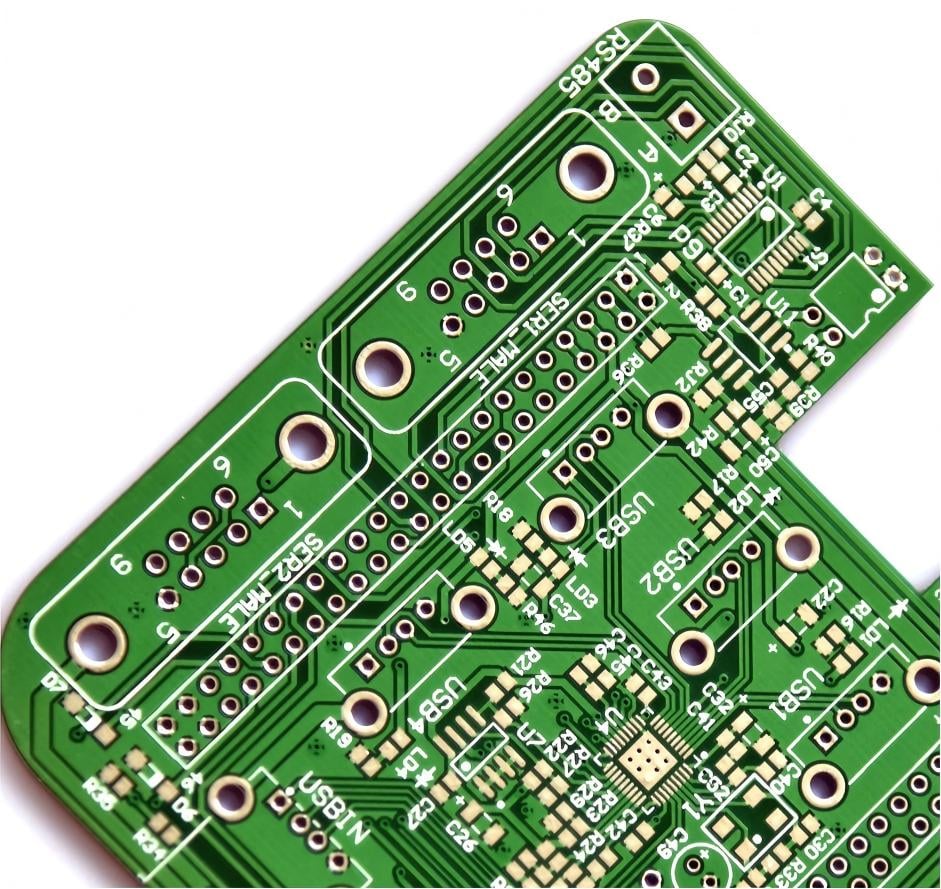
When sourcing printed circuit boards (PCBs), selecting a reliable PCB manufacturer in China is crucial for ensuring quality, performance, and value. With increasing demand for electronic components across various industries, buyers often face challenges in evaluating potential suppliers. This article will provide insights into choosing a trustworthy PCB component sourcing manufacturer, key considerations for buyers, installation guidance for rigid-flex PCBs, applications in aerospace and medical industries, and a comparison of SMT and DIP assembly options. 
How to Choose a Reliable PCB Supplier in China?

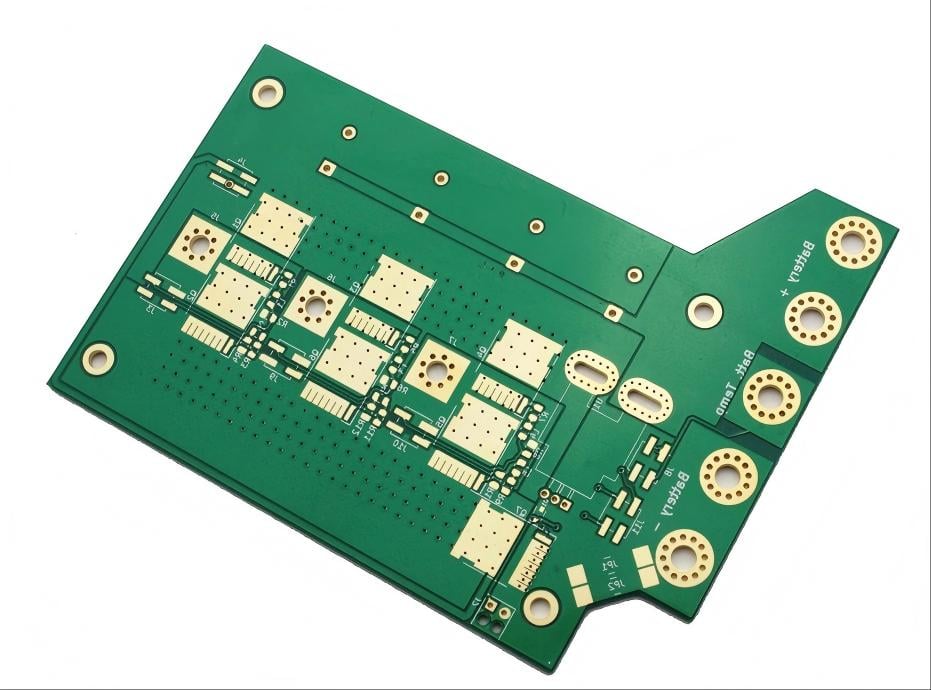
Choosing a reliable PCB manufacturer in China involves several critical steps. Start by assessing the manufacturer’s experience and reputation in the industry. Look for companies like Suntech Electronics with a proven track record in producing PCBs that meet industry standards and specific customer requirements. Certifications such as ISO and IATF can indicate a commitment to quality management systems.  

Another important factor is the range of manufacturing capabilities. A good PCB manufacturer should offer various services, including multi-layer boards, HDI, and rigid-flex options. This flexibility ensures that they can accommodate your specific project needs. 

Additionally, inquire about their quality control processes. A reliable manufacturer like Suntech Electronics will have rigorous testing protocols, such as Automated Optical Inspection (AOI), X-ray testing, and In-Circuit Testing (ICT). These measures help to identify defects early and ensure that the final product meets your specifications. 

Get a Free Quote

Our representative will contact you soon.
Email
Phone
WhatsApp
Name
Message
0/1000
Upload File
Please upload at least an attachment
Up to 3 files, each no larger than 30MB. Supported formats: jpg, jpeg, png, pdf, doc, docx, xls, xlsx, csv, txt, stp, step, igs, x_t, dxf, prt, sldprt, sat, rar, zip.

Related product categories

What Buyers Should Consider?

What Buyers Should Consider?

When selecting a PCB supplier, buyers should consider several key factors. First, understand your specific requirements, such as the type of PCB (rigid, flexible, or rigid-flex), the number of layers, and the intended application. This clarity will guide your discussions with potential suppliers like Suntech Electronics.  

Next, evaluate the supplier's material sourcing and compatibility. The choice of materials can significantly impact the performance and durability of the power supply PCB components. Common materials include FR-4, Rogers, and aluminum, each suited for different applications. Ensure that the manufacturer can provide the recommended materials for your specific use case. 

Pricing is another consideration. While it can be tempting to choose the lowest-cost option, a comprehensive evaluation of overall value is essential. Factors such as lead time, production capabilities, and quality assurance should influence your decision. Be wary of hidden costs, such as additional fees for revisions or expedited shipping. 

Finally, communication is key. A responsive supplier who understands your needs and provides timely updates throughout the production process can greatly enhance your experience. 
Installation Guidance for Rigid-Flex PCBs

Installation Guidance for Rigid-Flex PCBs

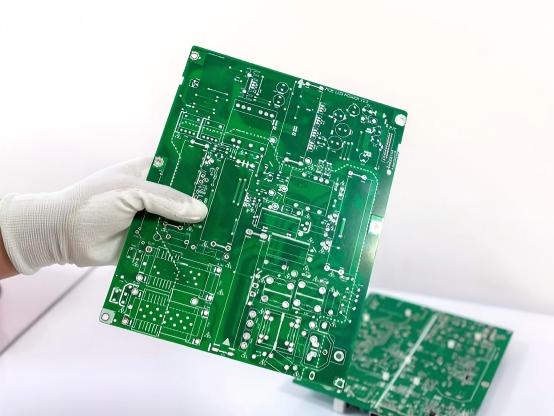
Rigid-flex PCBs combine the advantages of both rigid and flexible substrates, making them ideal for applications requiring complex shapes and space efficiency. When installing rigid-flex PCBs, consider the following guidelines: 

Preparation: Ensure that the installation area is clean and free from dust. Contaminants can affect solder adhesion and overall performance. 

Bending Radius: Follow the manufacturer’s recommendations for the minimum bending radius. Exceeding this limit can lead to damage or failure of the flexible sections. 

Alignment: Proper alignment during installation is crucial. Misalignment can cause stress on the PCB and lead to performance issues. 

Soldering Techniques: Depending on the assembly type, use appropriate soldering techniques. For SMT assembly, ensure that solder paste application is uniform, and for DIP assembly, verify that all leads are properly seated before soldering. 

Testing: After installation, conduct thorough testing to confirm that the through hole PCB assembly service operates as intended. This may include electrical testing, thermal cycling, or mechanical stress testing. 

Applications of PCBs in Aerospace and Medical Industries

Applications of PCBs in Aerospace and Medical Industries

PCBs play a vital role in aerospace and medical industries, where reliability and precision are paramount. In aerospace applications, PCBs are used in avionics, navigation systems, and communication devices. The harsh environmental conditions require PCBs that can withstand extreme temperatures, vibrations, and exposure to moisture. Manufacturers must adhere to strict standards, ensuring that the PCBs meet rigorous safety and performance guidelines.  

In the medical sector, PCBs are integral to devices such as diagnostic equipment, imaging devices, and patient monitoring systems. The stakes are high, as the failure of these systems can have serious consequences. Therefore, PCBs must be manufactured with utmost precision and undergo comprehensive testing to ensure compliance with medical device regulations. 

A trustworthy PCB manufacturer should have experience in these sectors, offering products that comply with relevant certifications and standards, such as IPC-A-600 for electronic assemblies.  

SMT vs. DIP Assembly Options

Surface Mount Technology (SMT) and Dual In-Line Package (DIP) assembly are two common methods used in PCB manufacturing. Each has its advantages and is suited for different applications. 

SMT Assembly:  

Advantages: SMT allows for higher component density, enabling smaller and lighter PCB designs. It also supports automated assembly, which can significantly reduce labor costs and lead times. 

Considerations: Ensure that the PCB layout accommodates the unique requirements of SMT components, such as pad sizes and solder mask clearance. 

DIP Assembly: 

Advantages: DIP components are easier to handle and inspect, making them suitable for prototyping and low-volume production. They also often have larger leads, which can provide better mechanical strength. 

Considerations: While DIP can be more straightforward for assembly, it generally requires more board space compared to SMT, which may limit design flexibility. 

Ultimately, the choice between SMT and DIP will depend on factors such as the complexity of the design, production volume, and specific application requirements. Buyers should discuss these options with their PCB manufacturer to determine the best approach for their project. 

navigating the landscape of PCB manufacturing requires careful consideration and informed decision-making. By understanding the key factors in selecting a reliable PCB manufacturer in China like Suntech Electronics, buyers can ensure they receive high-quality products that meet their specific needs in industries like aerospace and medical.  

Get a Free Quote

Our representative will contact you soon.
Email
Phone
WhatsApp
Name
Message
0/1000
Upload File
Please upload at least an attachment
Up to 3 files, each no larger than 30MB. Supported formats: jpg, jpeg, png, pdf, doc, docx, xls, xlsx, csv, txt, stp, step, igs, x_t, dxf, prt, sldprt, sat, rar, zip.