Choosing the Right PCB Manufacturer for Prototypes

All Categories

Get a Free Quote

Our representative will contact you soon.
Email
Phone
WhatsApp
Name
Message
0/1000
Upload File
Please upload at least an attachment
Up to 3 files, each no larger than 30MB. Supported formats: jpg, jpeg, png, pdf, doc, docx, xls, xlsx, csv, txt, stp, step, igs, x_t, dxf, prt, sldprt, sat, rar, zip.

Pcb manufacturer prototype

Choosing the right PCB manufacturer for prototypes is a critical decision that impacts the quality, functionality, and cost of your electronic products. As a leading PCB manufacturer, we specialize in reliable PCB and PCBA solutions, encompassing 1-50 layers, HDI, and rigid-flex designs. This article aims to guide purchasing managers, engineers, and product managers through key considerations when selecting a pcb assembly manufacturer for prototypes, understanding cost factors, implementing best practices, evaluating key metrics, and exploring application-specific insights in sectors such as aerospace, medical, and automotive.
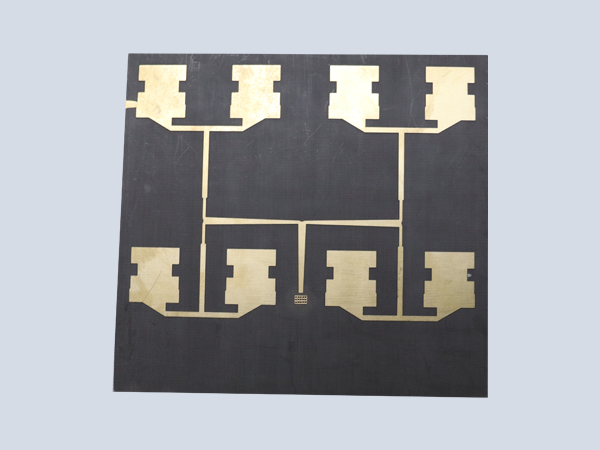
What to Consider When Choosing a PCB Manufacturer for Prototypes

When selecting a PCB manufacturer for prototypes, several factors should be prioritized to ensure the success of your project. First, assess the manufacturer’s capabilities in terms of technology and processes. Look for a provider that offers a range of services including SMT/DIP assembly, X-ray inspection, and ICT testing. These capabilities ensure that the manufacturer can meet the technical requirements of complex prototypes. 

Next, consider the manufacturer's experience within your specific industry. For instance, Suntech Electronics has expertise in sectors such as aerospace, medical, and automotive, which can be invaluable when evaluating compliance with industry standards and regulations. A pcb prototype manufacturer familiar with the unique challenges of your application can provide insights that enhance design and production efficiency. 

Quality assurance processes are another vital consideration. Look for manufacturers that are ISO/IATF certified, as these certifications indicate a commitment to maintaining high-quality standards throughout the production process. It’s also essential to verify their capability for automated, full-chain prototyping, which can significantly streamline the development process.

Get a Free Quote

Our representative will contact you soon.
Email
Phone
WhatsApp
Name
Message
0/1000
Upload File
Please upload at least an attachment
Up to 3 files, each no larger than 30MB. Supported formats: jpg, jpeg, png, pdf, doc, docx, xls, xlsx, csv, txt, stp, step, igs, x_t, dxf, prt, sldprt, sat, rar, zip.

Related product categories

Understanding Cost Factors in PCB Prototype Manufacturing and Sourcing

Understanding Cost Factors in PCB Prototype Manufacturing and Sourcing

The cost of PCB prototype manufacturing can fluctuate based on several factors, including material selection, layer count, and manufacturing processes. Higher layer counts and advanced technologies, such as HDI (High-Density Interconnect), typically result in increased costs due to the complexity involved in production. 

Material selection also plays a crucial role in pricing. Common materials like FR-4 are more cost-effective, while specialized materials such as Rogers or polyimide can drive up costs but may be necessary for high-performance applications. Understanding the trade-offs between cost and performance is essential; a less expensive material might not meet the required thermal or electrical specifications for critical applications. 

Additionally, quantities matter. Many manufacturers, including Suntech Electronics, may have minimum order quantities (MOQs) that can affect pricing. For prototype runs, it’s often more economical to work with a manufacturer that can provide flexible MOQs, allowing you to test designs without committing to large production runs.
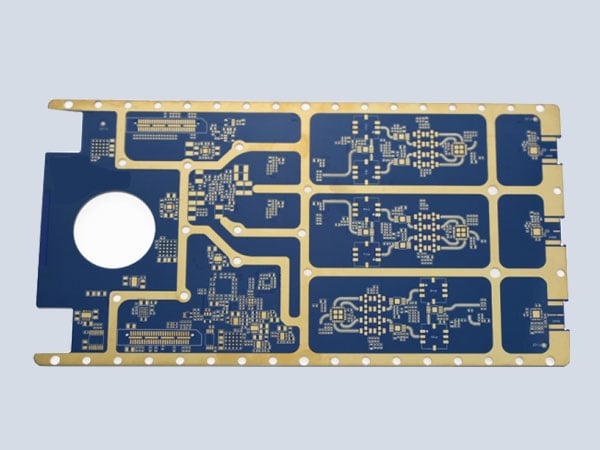
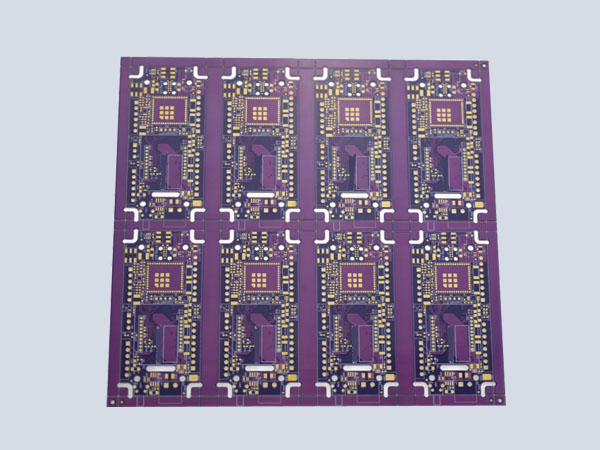
Best Practices and Tips

Best Practices and Tips

To maximize your success with PCB prototypes, consider implementing the following best practices: 

Detailed Specifications: Provide comprehensive specifications when requesting quotes. Include details about dimensions, layer count, required materials, and any specific testing or certification needs. This clarity can help avoid misunderstandings and ensure accurate pricing. 

Sample Approval: Prior to mass production, always secure and approve a finished sample. This step is crucial for confirming dimensions, fit, surface finish, and overall functionality. It minimizes the risk of costly errors during the production phase. 

Communication: Maintain open lines of communication with your manufacturer. Discuss any potential challenges upfront, whether they relate to design, materials, or timelines. A proactive approach can help identify solutions early in the process. 

Quality Checks: Establish quality checkpoints throughout the prototype development process. Insisting on visual inspections, automated testing, and final reviews can help ensure that the prototypes meet your expectations and specifications.

Key Metrics and Standards

Key Metrics and Standards

In evaluating a PCB manufacturer for prototypes, consider the following key metrics and standards: 

Turnaround Time: Assess the manufacturer’s lead times for prototypes, especially if you are working under tight deadlines. Fast prototyping capabilities can be a significant advantage for time-sensitive projects. 

Yield Rates: Investigate the manufacturer’s yield rates, which indicate the percentage of produced boards that meet quality standards without requiring rework. High yield rates suggest efficient processes and quality materials. 

Testing Protocols: Inquire about the testing protocols the manufacturer employs. Rigorous testing, such as ICT (In-Circuit Testing) and X-ray inspection, is essential for ensuring that prototypes function as intended. 

Compliance Standards: Ensure that the manufacturer adheres to relevant industry compliance standards. For example, aerospace and medical applications often require adherence to specific safety and performance standards, which can affect both design and manufacturing processes.

Applications of PCB Prototypes in Aerospace, Medical, and Automotive Sectors

PCB prototypes serve critical roles in various sectors, each with unique demands and applications: 

Aerospace: In the aerospace industry, pcb production service must withstand extreme conditions, including temperature fluctuations and high vibration levels. Prototypes may require specialized materials and designs to ensure reliability in flight. 

Medical: Medical devices often necessitate strict compliance with regulatory standards. Prototypes must be tested not only for functionality but also for biocompatibility and safety. Collaboration with a manufacturer experienced in medical applications can facilitate compliance with these rigorous standards. 

Automotive: The automotive sector demands PCBs that can endure harsh environments, including exposure to moisture and chemicals. Prototypes in this field often require advanced features such as integrated sensors or wireless communication capabilities. 

selecting the right PCB manufacturer for prototypes involves considering a range of factors that affect quality, cost, and performance. By focusing on the manufacturer’s capabilities, understanding cost factors, implementing best practices, and evaluating key metrics, buyers can make informed decisions that enhance their product development processes. With expertise in sectors like aerospace, medical, and automotive, Suntech Electronics is equipped to meet the diverse needs of your PCB prototype projects.

Get a Free Quote

Our representative will contact you soon.
Email
Phone
WhatsApp
Name
Message
0/1000
Upload File
Please upload at least an attachment
Up to 3 files, each no larger than 30MB. Supported formats: jpg, jpeg, png, pdf, doc, docx, xls, xlsx, csv, txt, stp, step, igs, x_t, dxf, prt, sldprt, sat, rar, zip.