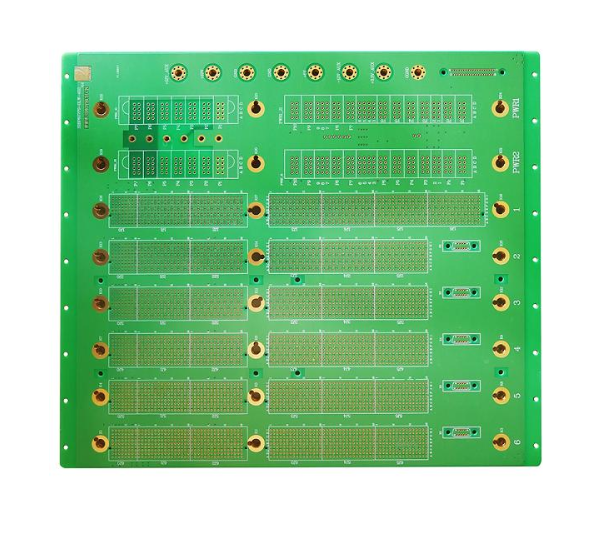
Key Considerations for PCB Prototype Manufacturing

All Categories

Get a Free Quote

Our representative will contact you soon.
Email
Phone
WhatsApp
Name
Message
0/1000
Upload File
Please upload at least an attachment
Up to 3 files, each no larger than 30MB. Supported formats: jpg, jpeg, png, pdf, doc, docx, xls, xlsx, csv, txt, stp, step, igs, x_t, dxf, prt, sldprt, sat, rar, zip.

Pcb prototype manufacturer

Navigating the landscape of PCB prototype manufacturing can be complex, especially for professionals in aerospace, medical, and automotive industries who rely on high-quality PCBs for their applications. As a leading PCB prototype manufacturer, Suntech Electronics specializes in delivering reliable solutions tailored to specific project needs., we will explore key considerations for sourcing PCB prototypes, the box build services quality control processes that ensure reliability, cost-saving strategies, common installation challenges, and material options for high-performance prototypes.
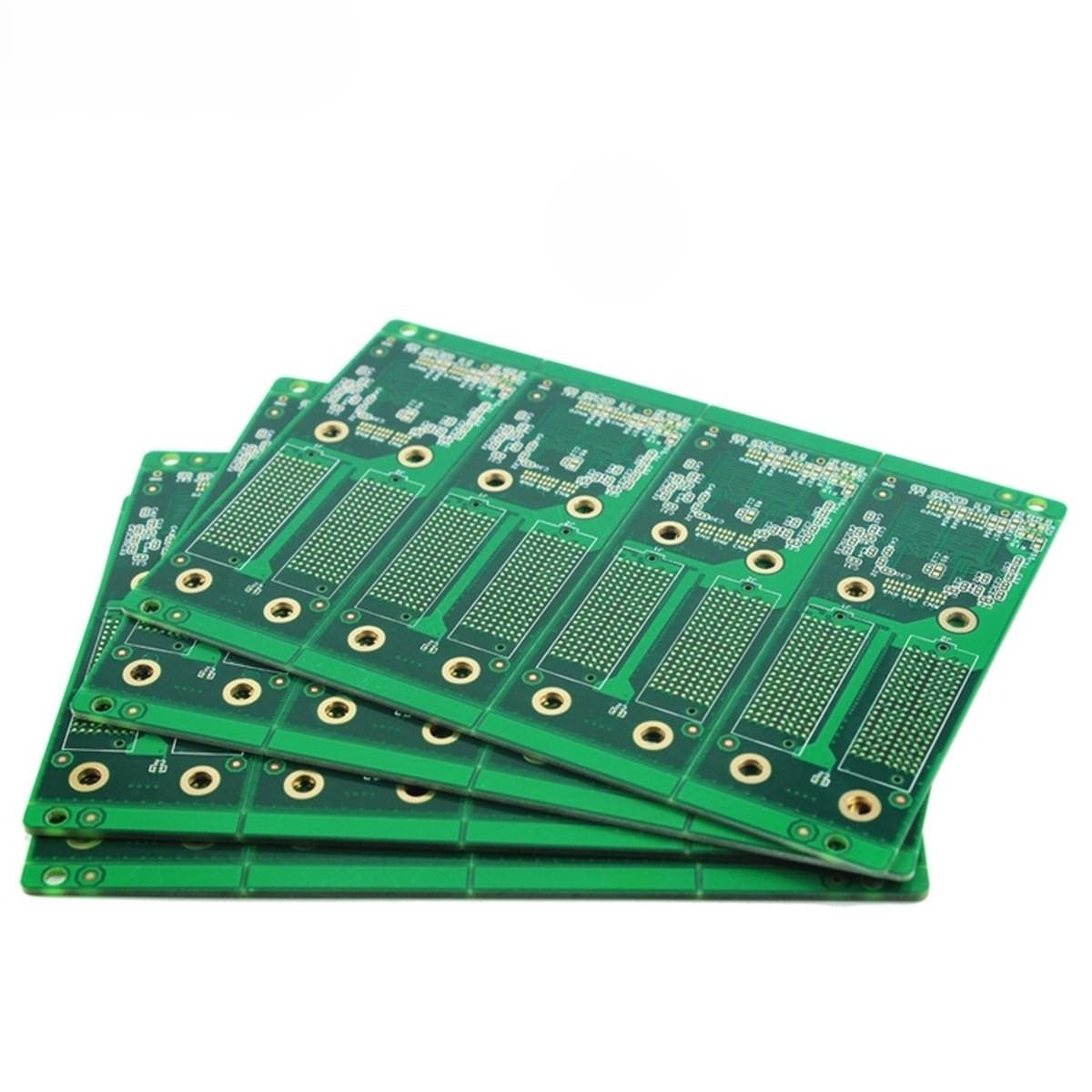
When sourcing PCB prototypes

When sourcing PCB prototypes, it's crucial to evaluate several key specifications that can significantly impact performance and manufacturability. 

Layer Count: The number of layers (1-50) determines the complexity of the PCB design. More layers can accommodate intricate circuits, but they also increase manufacturing costs and production time. 

Material: The choice of material affects the PCB's thermal, electrical, and mechanical properties. Common materials include FR-4 for standard applications and Rogers or Polyimide for high-frequency and flexible designs. 

Thickness: PCB thickness can influence the board's strength and flexibility. Standard thicknesses range from 0.2mm to 2.0mm, but custom options are available based on project requirements. 

Surface Finish: Different surface finishes like HASL, ENIG, or OSP provide varying levels of solderability and protection against oxidation. The choice depends on the operational environment and soldering process. 

Finish Tolerance: Precision in dimensions is vital. Tolerances typically range from ±0.1mm to ±0.5mm, and critical components should be specified clearly to avoid fit issues during assembly. 

Evaluating these specifications is essential for ensuring that the prototype meets the project’s electrical and mechanical requirements while also aligning with budgetary constraints. 

Get a Free Quote

Our representative will contact you soon.
Email
Phone
WhatsApp
Name
Message
0/1000
Upload File
Please upload at least an attachment
Up to 3 files, each no larger than 30MB. Supported formats: jpg, jpeg, png, pdf, doc, docx, xls, xlsx, csv, txt, stp, step, igs, x_t, dxf, prt, sldprt, sat, rar, zip.

Related product categories

Quality control in PCB manufacturing

Quality control in PCB manufacturing

Quality control in PCB manufacturing is a multi-step process designed to detect and mitigate defects throughout production. At Suntech Electronics, we implement a comprehensive quality assurance system that includes: 

Incoming Material Inspection: All raw materials undergo inspection to verify they meet specified standards. This includes testing for electrical conductivity, dielectric strength, and thermal properties. 

In-Process Testing: During production, we utilize advanced technologies like X-ray inspection, Automated Optical Inspection (AOI), and In-Circuit Testing (ICT) to catch defects in real time. This proactive approach helps in identifying issues before they escalate into larger problems. 

Final Quality Assurance: Before shipping, each PCB prototype is subjected to rigorous testing to ensure it meets the established specifications. This box build assembly china includes functionality tests and environmental testing to simulate real-world conditions. 

Documentation: Providing detailed reports on inspections and tests performed is crucial for transparency and helps in future troubleshooting. 

By adhering to stringent quality control processes, manufacturers can ensure that the final product performs reliably in its intended application, significantly reducing the risk of failures in the field. 
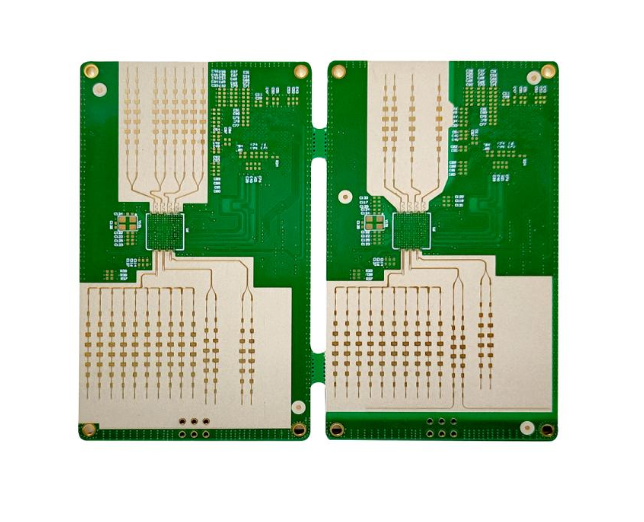
Cost management

Cost management

Cost management is a critical concern for buyers of PCB prototypes. Here are several strategies to achieve cost savings without compromising quality: 

Design for Manufacturability (DFM): Simplifying the design can reduce manufacturing complexities, leading to lower costs. This involves using fewer layers, standardizing component sizes, and minimizing the number of unique parts. 

Material Selection: Choosing the right materials based on application requirements can yield significant savings. For instance, pcb maker opting for standard FR-4 materials over specialty substrates unless absolutely necessary can help control costs. 

Batch Production: Ordering multiple prototypes at once can reduce per-unit costs. Manufacturers often provide discounts for larger orders, and economies of scale can be leveraged to minimize expenses. 

Prototyping Services: Utilizing full-chain prototyping services can streamline the process from design to production, reducing lead times and costs associated with multiple suppliers. 

Negotiating MOQs: Understanding the Minimum Order Quantities (MOQs) and negotiating them can also result in better pricing. Many manufacturers are willing to work with clients to find a balance that suits both parties. 

Employing these strategies can help companies optimize their budget while acquiring high-quality PCB prototypes. 

common problems and how to address them

common problems and how to address them

Despite meticulous design and manufacturing, installation issues can still arise with PCBs. Here are some common problems and how to address them: 

Misalignment: This occurs when the PCB does not fit properly into the designated space, often due to incorrect dimensions or tolerances. To prevent this, ensure that all specifications are clearly defined and that prototypes are tested for fitment before mass production. 

Soldering Issues: Poor soldering can lead to weak connections or shorts. Using appropriate soldering techniques and ensuring that the PCB surface finish is compatible with the soldering process can mitigate these problems. 

Thermal Expansion: PCBs can expand or contract due to temperature changes, leading to mechanical stress on components. Using materials with suitable thermal properties and ensuring proper layout can help manage thermal expansion. 

Component Orientation: Incorrectly orienting components during installation can lead to functionality issues. Providing clear assembly instructions and using component identification markings can help prevent this. 

Environmental Factors: Humidity and dust can affect PCB performance. Implementing protective coatings and ensuring the assembly environment is controlled can minimize these risks. 

By being aware of these potential installation challenges, buyers can take proactive measures to ensure successful integration of PCB prototypes into their products. 

Selecting the right material

Selecting the right material is crucial for the performance of PCB prototypes, especially in demanding applications. Here are some common materials and their characteristics: 

FR-4: The most commonly used material, suitable for general applications. It offers good mechanical strength and electrical insulation but may not perform well in high-frequency applications. 

Rogers: Ideal for high-frequency applications, Rogers materials provide excellent thermal management and low dielectric losses, making them suitable for RF and microwave applications. 

Polyimide: Known for its flexibility and thermal resistance, polyimide is often used for rigid-flex PCBs, allowing for complex designs that require bending and folding. 

Aluminum: Used primarily for LED applications, aluminum PCBs provide excellent heat dissipation, which is crucial for maintaining performance and longevity in lighting applications. 

Ceramic: For applications requiring high stability and durability, ceramic materials can withstand extreme temperatures and harsh environments, making them ideal for aerospace and medical applications. 

When selecting materials, it is essential to consider not just the performance requirements but also the compatibility with the manufacturing process and the intended operating environment. Collaborating with a knowledgeable PCB prototype manufacturer can help ensure that the chosen materials align with project goals and specifications. 

By understanding these key aspects of PCB prototype manufacturing, buyers can make informed decisions that align with their project requirements, ultimately leading to successful outcomes in their applications. 

Get a Free Quote

Our representative will contact you soon.
Email
Phone
WhatsApp
Name
Message
0/1000
Upload File
Please upload at least an attachment
Up to 3 files, each no larger than 30MB. Supported formats: jpg, jpeg, png, pdf, doc, docx, xls, xlsx, csv, txt, stp, step, igs, x_t, dxf, prt, sldprt, sat, rar, zip.