Understanding PCB Fabrication and Assembly

All Categories

Get a Free Quote

Our representative will contact you soon.
Email
Phone
WhatsApp
Name
Message
0/1000
Upload File
Please upload at least an attachment
Up to 3 files, each no larger than 30MB. Supported formats: jpg, jpeg, png, pdf, doc, docx, xls, xlsx, csv, txt, stp, step, igs, x_t, dxf, prt, sldprt, sat, rar, zip.

pcb fabrication and assembly

Understanding  PCB Fabrication and Assembly for Wholesale Buyers

PCB (Printed  Circuit Board) fabrication and assembly are  critical processes  in electronics manufacturing, serving as the backbone  for devices across various industries, including aerospace, medical, and  automotive. Understanding these processes  is essential for wholesale buyers to ensure they select high-quality products that  meet their specific needs. This  article will explore key considerations,  including  what makes a reliable PCB supplier, cost factors  when ordering in bulk, installation guidance for custom PCB solutions, and  the benefits  of sourcing  from experienced manufacturers like  Suntech  Electronics,  which specializes in PCBs and  PCBA, including HDI  and rigid-flex options.
Understanding PCB Fabrication and Assembly for Wholesale Buyers

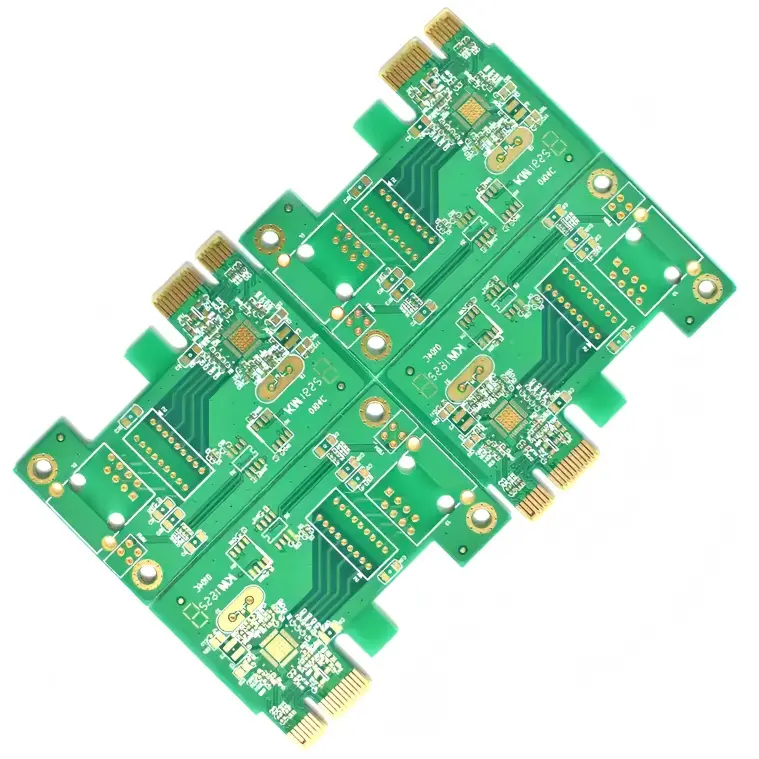
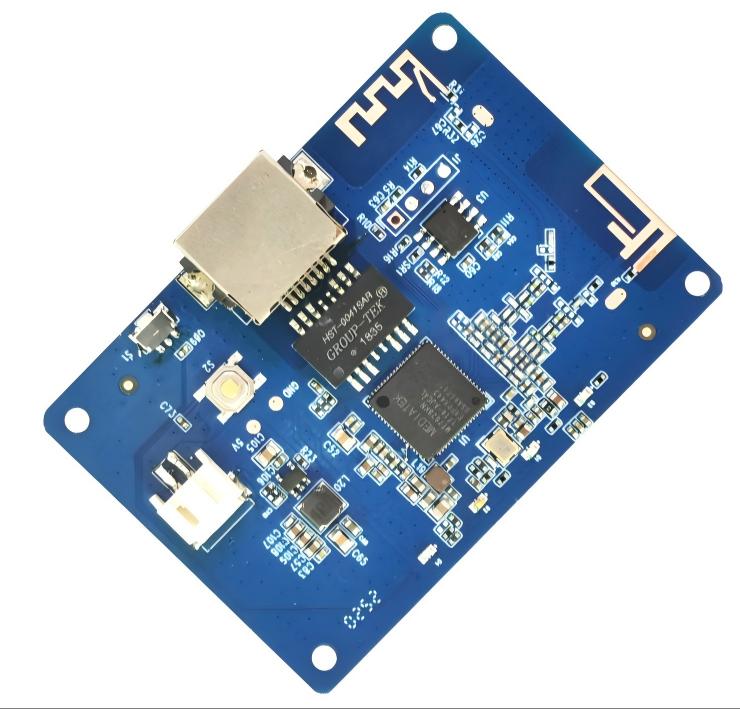
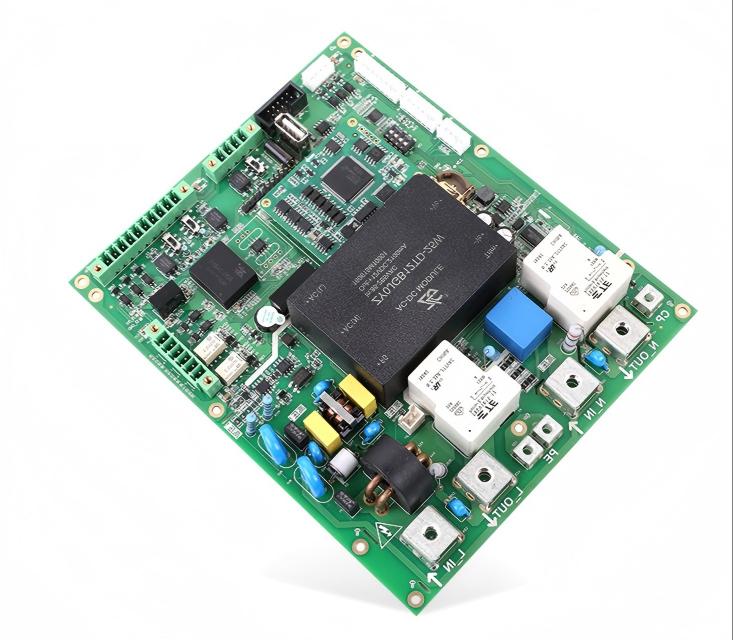
PCB fabrication  involves creating the physical  board that will host the electronic components. This process encompasses several stages, including material selection, layer stacking, and etching. The assembly phase follows fabrication, where electronic components are  mounted onto the  PCB  using  surface mount technology (SMT) or through-hole technology (DIP).  For wholesale buyers, key concerns  often revolve  around  the specifications of the PCB, such  as the number of  layers (1-50), material type, and assembly techniques. Buyers should also consider the board's application, as different industries may have unique requirements, such  as higher  reliability in aerospace or medical applications.

When engaging with a supplier,  buyers should inquire about the manufacturer's capabilities, including their experience with specific  technologies (like SMT/DIP assembly), testing  processes (such as SPI and X-ray), and adherence to quality  standards like ISO/IATF.  Understanding these factors will  help ensure the chosen PCB meets both performance and regulatory requirements.

Get a Free Quote

Our representative will contact you soon.
Email
Phone
WhatsApp
Name
Message
0/1000
Upload File
Please upload at least an attachment
Up to 3 files, each no larger than 30MB. Supported formats: jpg, jpeg, png, pdf, doc, docx, xls, xlsx, csv, txt, stp, step, igs, x_t, dxf, prt, sldprt, sat, rar, zip.

Related product categories

How to Choose the Right PCB Supplier for Your Projects

How to Choose the Right PCB Supplier for Your Projects

Selecting the right PCB supplier is crucial for  the success of  your project. Start by evaluating the  manufacturer’s  experience in your industry. For example, if you’re developing products for the aerospace sector, look for suppliers with a proven track record  in that field. Additionally, consider the  supplier’s manufacturing capabilities. A supplier  like  Suntech  Electronics, which offers full-chain prototyping and mass production, can provide flexibility and scalability as your project evolves.


Another important factor is the supplier's quality assurance processes. Ask about their quality control  measures, such as  incoming material inspections and in-process testing, to ensure  consistent product quality. It is also beneficial to request samples for evaluation  before  committing to a large order. This step allows you to verify that the  PCB meets your specifications and performance requirements.

Lastly, consider logistics  and  customer support. A supplier that  provides comprehensive support, including installation guidance  and post-production assistance, can significantly enhance your project’s success.

Cost Factors to Consider When Ordering PCBs in Bulk

Cost Factors to Consider When Ordering PCBs in Bulk

When  ordering PCBs in bulk, several cost factors must be considered to ensure you obtain the best value for your investment. One of the primary  determinants of  cost is  the complexity of the board design, including the  number of layers and  the materials used.  Boards with more layers or advanced features like HDI (High-Density  Interconnect) will typically incur higher production costs.

Another critical factor is the volume of your order. Suppliers often provide tiered pricing based on order  quantity; higher volumes can lead to lower per-unit costs. However, it’s essential to balance the advantages of bulk  ordering against your actual needs to avoid  excess inventory.

Additionally,  consider shipping and handling costs,  which can vary significantly depending  on the supplier's location and your delivery requirements. Finally, be aware of any potential customs duties or taxes if you are importing PCBs from  abroad. Requesting  detailed quotations  from multiple suppliers can help  you  compare costs effectively.

 
Installation Guidance for Your Custom PCB Solutions

Installation Guidance for Your Custom PCB Solutions

Effective installation is vital  to ensure the functionality and reliability of your custom PCB  solutions. Start  by  reviewing the installation guidelines  provided by your  supplier, as they often contain critical information about mounting  techniques, soldering requirements, and  the handling of sensitive  components.

When preparing for installation, ensure that your workspace meets necessary  conditions, such as proper ESD  (Electrostatic Discharge) precautions and adequate environmental controls  to prevent contamination.  For complex assemblies, consider  conducting a dry run  to familiarize your team with the installation process and identify any potential  issues.

Moreover, testing the PCB after installation is crucial. Implement a thorough inspection process, including electrical testing and visual inspections, to ensure that all components are functioning correctly. Utilizing X-ray testing can  further confirm the  integrity of solder joints and component placement, reducing  the risk of performance failures in the  field.

The Benefits of Sourcing PCBs from an Experienced Manufacturer

Sourcing PCBs from an  experienced  manufacturer like Suntech Electronics  offers numerous advantages that can enhance your project outcomes. Experience translates into  knowledge of best practices in PCB design and manufacturing, allowing for better optimization of performance and reliability. An established manufacturer is more likely to have robust quality control measures in place, ensuring that the final product meets all industry standards and customer expectations.

Furthermore, an experienced supplier typically has a well-rounded understanding of the challenges that different  industries face. This insight allows them to  provide tailored solutions that address specific application requirements, whether in aerospace, medical,  or automotive sectors. Additionally, they are often better equipped to handle custom requests, from  unique material selections to specialized assembly techniques.

Lastly, partnering with a reputable manufacturer can lead to  more efficient communication and support throughout the project lifecycle. Their familiarity with common issues and  solutions can streamline the development  process, reducing the time to market for your products.

In summary, understanding the nuances of PCB fabrication and assembly is essential  for wholesale buyers. By choosing the right supplier, considering  cost factors, and ensuring proper installation, you can enhance the reliability and effectiveness of your electronic  products. Sourcing from a reputable manufacturer  not only provides peace of mind  but also  contributes  to the overall success of your  projects.


Get a Free Quote

Our representative will contact you soon.
Email
Phone
WhatsApp
Name
Message
0/1000
Upload File
Please upload at least an attachment
Up to 3 files, each no larger than 30MB. Supported formats: jpg, jpeg, png, pdf, doc, docx, xls, xlsx, csv, txt, stp, step, igs, x_t, dxf, prt, sldprt, sat, rar, zip.