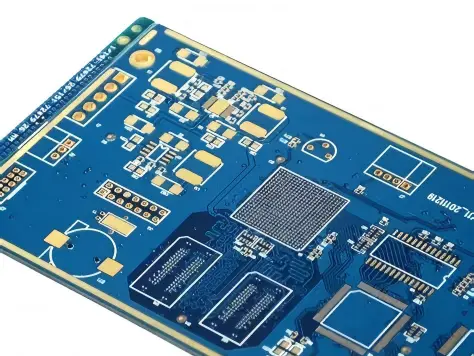
High-Quality PCB Prototypes for B2B Applications

All Categories

Get a Free Quote

Our representative will contact you soon.
Email
Phone
WhatsApp
Name
Message
0/1000
Upload File
Please upload at least an attachment
Up to 3 files, each no larger than 30MB. Supported formats: jpg, jpeg, png, pdf, doc, docx, xls, xlsx, csv, txt, stp, step, igs, x_t, dxf, prt, sldprt, sat, rar, zip.

high quality pcb prototype

High-quality PCB prototypes are  essential for various industries,  including aerospace, medical, and  automotive. These  prototypes serve  as the foundation for mass  production, ensuring that the final products meet stringent quality and performance standards.  For buyers, understanding the nuances of PCB prototypes is crucial, as  it impacts  product functionality, compliance, and overall project  timelines. This  article  will address  key specifications,  sourcing  strategies, installation guidelines, industry  applications, and  budgeting considerations, empowering  purchasing managers and engineers  to  make informed decisions.
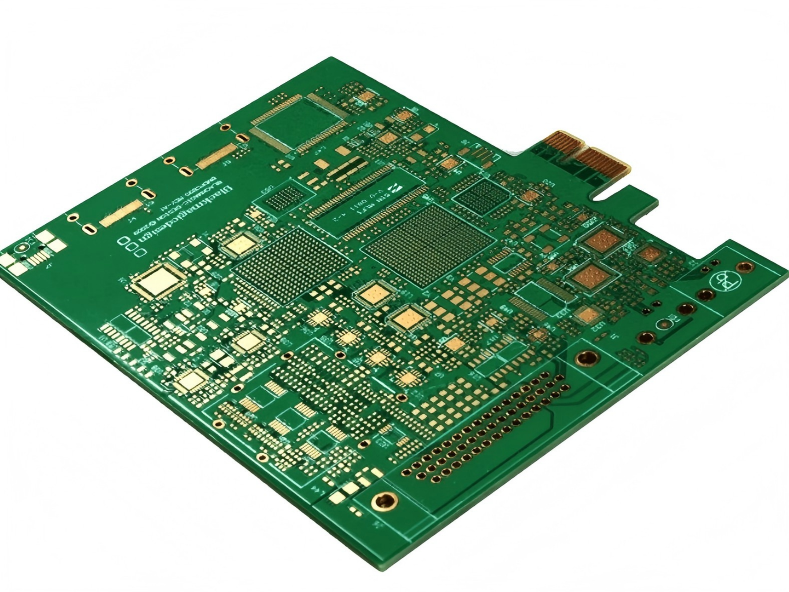
Key Specifications for PCB Prototypes

When selecting high-quality PCB prototypes,  several key specifications must be considered to ensure the final product meets application  requirements.

Layer Count: PCB prototypes can range from single-layer to multi-layer constructions  (1-50 layers). More layers can accommodate complex designs but may also  increase production costs.  It's essential to determine the appropriate layer  count based  on circuit  complexity and space constraints.

Material Selection: Common materials include FR-4, Rogers, and flexible substrates. The choice of material affects performance characteristics like thermal conductivity and dielectric properties. For example, Rogers materials are often preferred for high-frequency applications due to their superior electrical performance.

Surface Finish: The surface  finish of the  PCB, such as HASL, ENIG, or OSP,  impacts solderability and shelf  life. ENIG (Electroless Nickel Immersion Gold)  is often favored for its excellent solderability and  resistance to corrosion, making it suitable for high-reliability applications.

Thickness and Dimensions: PCB thickness can vary, typically from 0.2mm to 3.2mm. Precision in dimensions is critical, as deviations can lead  to compatibility issues with components  and assembly processes.

Testing  Procedures:  Ensure that the manufacturer conducts thorough testing, including Electrical Test (ICT),  X-ray inspection, and SPI (Solder Paste Inspection), to verify that  the prototypes meet quality standards.

Understanding these specifications enables buyers to communicate their needs effectively and select the right prototype for their projects.

Get a Free Quote

Our representative will contact you soon.
Email
Phone
WhatsApp
Name
Message
0/1000
Upload File
Please upload at least an attachment
Up to 3 files, each no larger than 30MB. Supported formats: jpg, jpeg, png, pdf, doc, docx, xls, xlsx, csv, txt, stp, step, igs, x_t, dxf, prt, sldprt, sat, rar, zip.

Related product categories

Where to Source Reliable PCB Prototype Suppliers for Your Needs

Where to Source Reliable PCB Prototype Suppliers for Your Needs

Sourcing high-quality PCB prototypes involves identifying suppliers with a proven track record in the industry. Here are some  effective strategies for finding reliable suppliers:

Industry Directories and Trade Shows:  Participating in industry trade  shows or using directories can connect  you with reputable PCB  manufacturers.  Events like IPC APEX EXPO showcase numerous  suppliers and provide  networking opportunities.

Online Research and Reviews: Leverage platforms  such  as LinkedIn, industry forums, and review websites to assess the reputation of potential suppliers. Look for testimonials or case studies that demonstrate their experience in serving specific  sectors.

Certifications and Compliance: Verify that suppliers hold relevant certifications such  as ISO 9001  and IATF 16949, which indicate adherence to quality  management standards. This can reassure buyers of the supplier's commitment to quality  control.

Requesting Samples: Before making a large order, request prototypes or samples to  evaluate the  manufacturer’s capabilities and quality. This allows you to verify specifications and testing results firsthand.

By  following  these strategies, buyers can ensure they partner with suppliers capable of delivering high-quality PCB prototypes that meet their specific  needs.
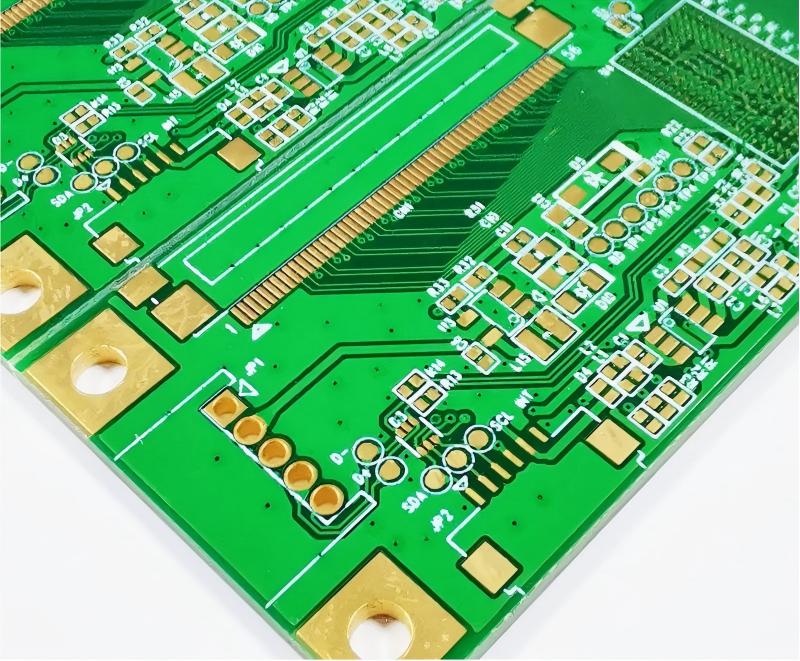
Understanding Installation and Assembly Guidelines for PCB Prototypes

Understanding Installation and Assembly Guidelines for PCB Prototypes

Successful  installation and  assembly of  PCB  prototypes require adherence to specific  guidelines  to ensure functionality and longevity.

Preparation: Begin with a clean workspace and ensure all tools are calibrated. Contaminants can lead to failures, especially in  sensitive applications like medical devices.

Soldering Techniques: Choose  appropriate soldering methods (e.g., SMT or DIP assembly) based on  the PCB design and component types. It is critical to follow the manufacturer's recommendations for solder paste application and reflow profiles to avoid defects.

Component Placement: Maintain strict alignment of components during  placement, as misalignment  can lead to performance issues. Utilize automated pick-and-place machines where  possible to enhance accuracy.

Testing Post-Assembly: Conduct thorough testing, including functional  and environmental tests, to ensure the assembled PCB meets performance specifications.  This step is  essential for identifying potential failures early in the  process.


Documentation: Maintain detailed records of assembly processes and  any issues encountered. This documentation can be invaluable for troubleshooting and future revisions.

By following these  installation and assembly guidelines, buyers can minimize  risks and enhance the reliability of their PCB prototypes.

Applications of High-Quality PCB Prototypes Across Industries

Applications of High-Quality PCB Prototypes Across Industries

High-quality PCB prototypes find applications across  various  industries, each with specific requirements and challenges.

Aerospace: In aerospace applications, PCBs must withstand extreme temperatures, vibrations,  and radiation.  Reliability is paramount, and prototypes are rigorously tested to ensure compliance with industry standards.

Medical Devices: PCBs in medical devices need to adhere to stringent regulatory requirements. Prototypes should utilize biocompatible materials and undergo thorough  testing to ensure safety and efficacy.

Automotive: The automotive sector demands PCBs that  can operate  in harsh environments, including exposure to heat,  moisture, and vibrations. Prototypes  must be designed for  durability and compliance with automotive quality standards.

Consumer  Electronics: In fast-paced consumer electronics, rapid prototyping is essential for keeping up with market trends. Manufacturers must be able to quickly iterate designs while maintaining quality and  performance.

Industrial Automation: Industrial applications often require PCBs that can  operate reliably under demanding conditions. Prototypes should  be tailored  to  specific operational requirements, such as load handling and environmental factors.

Understanding these applications helps  buyers specify  their  needs  accurately and select suitable prototypes for their respective industries.

Budgeting for Your PCB Prototype Needs

Budgeting for PCB prototypes involves understanding  various cost factors  that can  influence the overall investment.

Material Costs: The choice of materials impacts the base cost of  prototypes. High-performance materials may come  with a  premium but can enhance functionality and reliability, potentially saving costs in later production stages.

Complexity and Layer Count: More complex  designs with higher layer counts typically increase manufacturing costs. Buyers should balance  design  requirements with budget constraints to  optimize costs.

Testing and Quality Assurance: Incorporating comprehensive testing procedures can  increase upfront costs but  can mitigate risks of failures in mass production, ultimately leading to cost savings.


Volume Discounts:  Many suppliers offer  volume discounts for larger orders. Buyers should consider their long-term needs  and potential for repeat orders when negotiating pricing.

Lead Times: Rush orders may incur additional fees. Planning ahead and allowing sufficient lead time can help manage costs and avoid unexpected expenses.

By comprehensively  understanding these  budgeting factors, buyers can make  informed decisions that align with their financial constraints while ensuring  the quality of PCB prototypes.

Get a Free Quote

Our representative will contact you soon.
Email
Phone
WhatsApp
Name
Message
0/1000
Upload File
Please upload at least an attachment
Up to 3 files, each no larger than 30MB. Supported formats: jpg, jpeg, png, pdf, doc, docx, xls, xlsx, csv, txt, stp, step, igs, x_t, dxf, prt, sldprt, sat, rar, zip.