EN

When seeking high-quality PCB prototype suppliers, understanding the nuances of the manufacturing process is essential for purchasing managers and engineers alike. PCB prototypes, which serve as the foundational elements in various electronic devices, can significantly impact the performance and reliability of the final product. This article will address key considerations for selecting reliable suppliers, essential features of PCB maker prototypes, their applications in critical industries, best practices for procurement, and what to look for when engaging with suppliers like Suntech Electronics.
Essential Features of PCB Prototypes
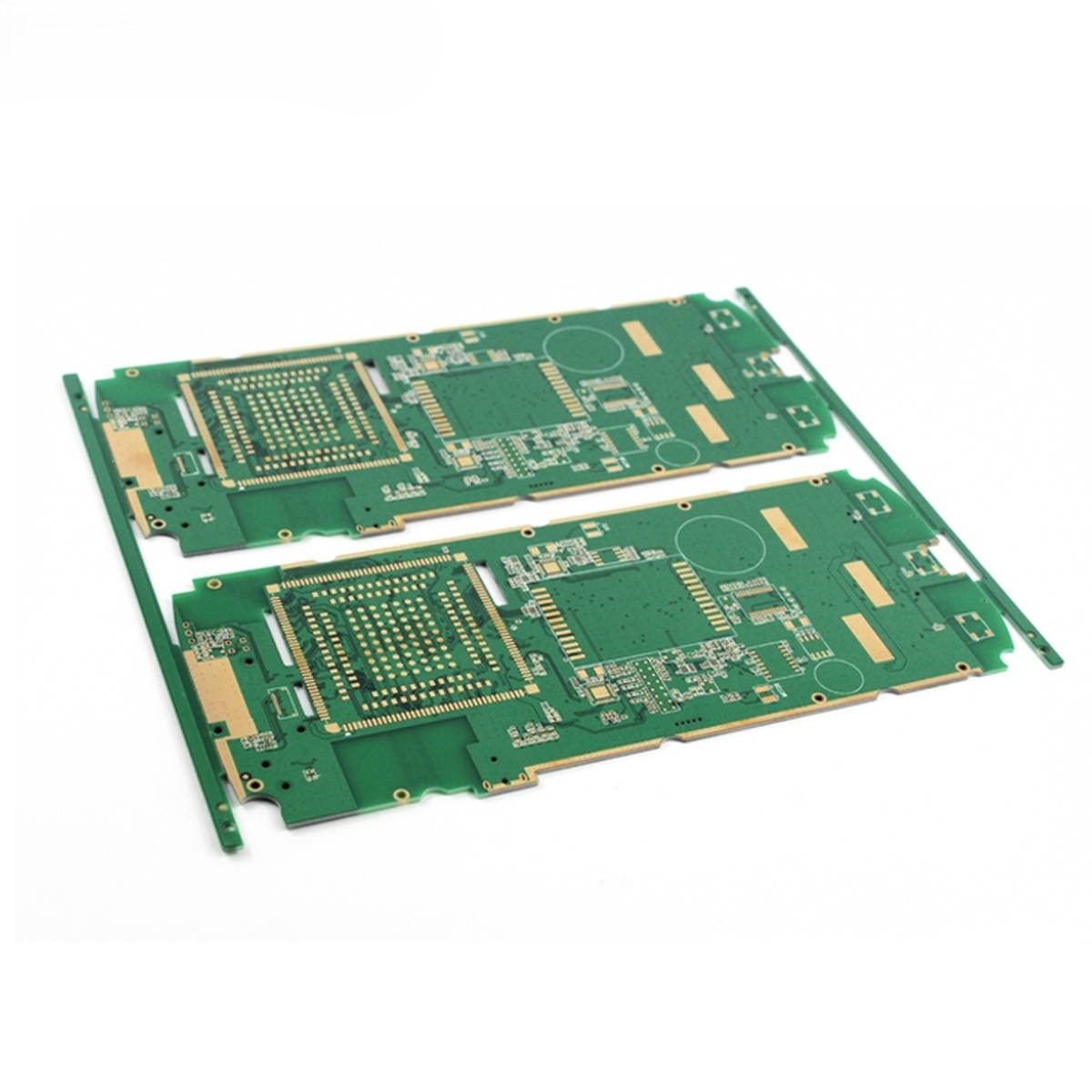
Understanding the essential features of PCB prototypes is crucial for evaluating their suitability for your projects. Key specifications include:
Layer Count: The number of layers in a PCB affects its complexity and functionality. More layers can accommodate intricate designs but may also increase production costs.
Material Selection: Common materials include FR-4, Rogers, and polyimide. Each material has unique properties affecting thermal performance, dielectric constant, and mechanical strength. The choice should align with the project’s electrical and environmental requirements.
Surface Finish: The surface finish impacts solder ability and can affect the longevity of the PCB. Options include HASL (Hot Air Solder Leveling), ENIG (Electro less Nickel Immersion Gold), and OSP (Organic Solder ability Preservative). The right choice depends on the application and storage conditions.
Trace Width and Spacing: These dimensions must be carefully considered to ensure electrical performance and compliance with design rules. Narrow traces can reduce space but may require more precise manufacturing processes.
Testing and Inspection: Reliable PCB assembly manufacturer suppliers should provide various testing options, including SPI (Solder Paste Inspection) and X-ray inspection, to verify the integrity of the prototypes.
These features not only affect the performance of the final product but also influence costs and production timelines. Therefore, a thorough understanding of these specifications is essential during the selection process.