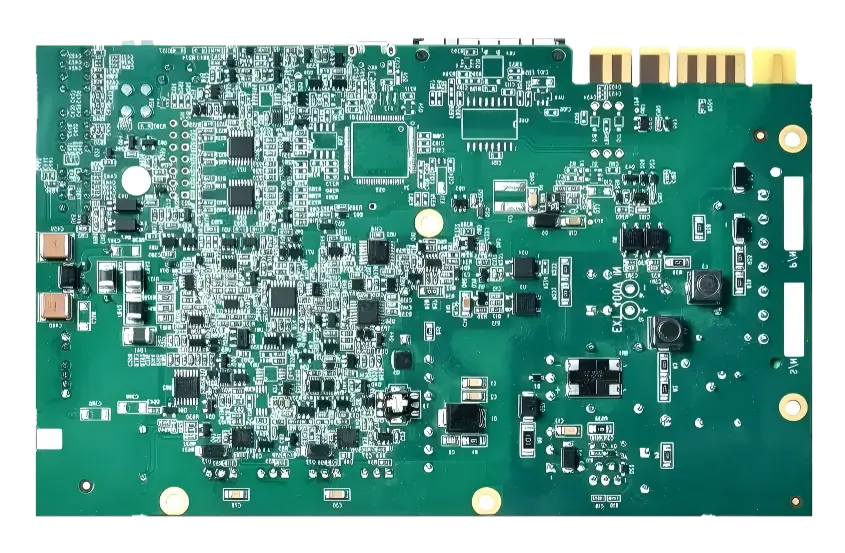
Circuit Board Assembly Services for Quality PCBs

All Categories

Get a Free Quote

Our representative will contact you soon.
Email
Phone
WhatsApp
Name
Message
0/1000
Upload File
Please upload at least an attachment
Up to 3 files, each no larger than 30MB. Supported formats: jpg, jpeg, png, pdf, doc, docx, xls, xlsx, csv, txt, stp, step, igs, x_t, dxf, prt, sldprt, sat, rar, zip.

circuit board assembly services

Choosing the right circuit board assembly services is crucial  for  ensuring the reliability and  performance of electronic  products. With  Suntech Electronics offering a range of PCB  (Printed Circuit Board)  and  PCBA (Printed Circuit  Board Assembly) solutions, including  SMT/DIP assembly and various testing methods  like X-ray and ICT, understanding the key factors can help buyers  make informed decisions. This  article will  explore essential considerations  for selecting assembly services,  specifications for high-quality  projects, how to  evaluate supplier  reliability, cost-effective solutions,  and common challenges in PCB assembly.
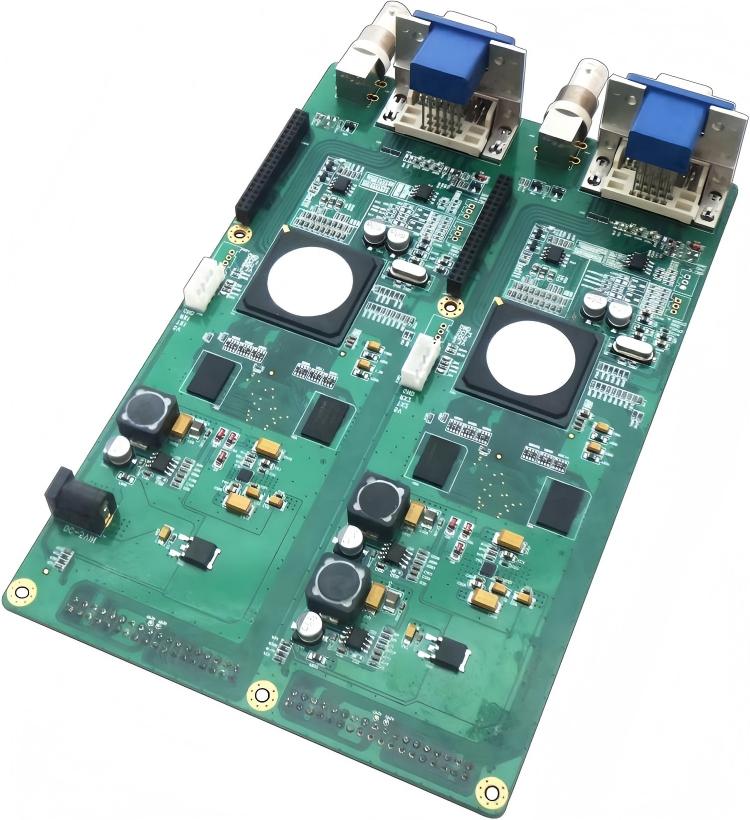
What to Consider When Choosing Circuit Board Assembly Services

Selecting a circuit board assembly service involves several  critical  considerations. First, assess  the manufacturer’s capabilities, such as the types of  PCB they can produce—rigid, flex, or rigid-flex—and the complexity of  designs they can  handle, including HDI (High-Density Interconnect) boards with  up to 50 layers.

Next, consider the manufacturing  processes they  employ. Suntech Electronics utilizes both SMT (Surface Mount Technology) and  DIP (Dual In-line Package)  assembly, which  allows for  flexibility in component  types and  sizes. Additionally, inquire about their quality control processes, including testing methods like SPI (Solder Paste Inspection) and X-ray, which are vital for  ensuring high-quality  outputs.

Finally, evaluate their experience in your specific industry, whether it be aerospace, medical, or automotive. This  can provide insights into their ability  to  meet specific regulatory standards and performance requirements.

Get a Free Quote

Our representative will contact you soon.
Email
Phone
WhatsApp
Name
Message
0/1000
Upload File
Please upload at least an attachment
Up to 3 files, each no larger than 30MB. Supported formats: jpg, jpeg, png, pdf, doc, docx, xls, xlsx, csv, txt, stp, step, igs, x_t, dxf, prt, sldprt, sat, rar, zip.

Related product categories

Key Specifications for High-Quality PCB Assembly Projects

Key Specifications for High-Quality PCB Assembly Projects

Understanding  key specifications  is vital to ensure successful PCB assembly  projects. Key aspects include:

Layer  Count: The complexity of the circuit board often increases with the number of layers. Projects with more than six layers may require advanced manufacturing techniques  and careful design considerations.

Material Selection: The choice of substrate material, such as  FR-4 or Rogers, impacts  thermal management and signal integrity. The material should be selected based on the application requirements, including temperature ranges and electrical  performance.

Surface Finish: Different finishes like  ENIG (Electroless  Nickel  Immersion Gold) or HASL (Hot Air Solder Leveling) affect solderability and  reliability. Choose a finish that aligns with  the intended use of the PCB and the components being mounted.

Component Placement: Precision in component placement is crucial, especially for  high-density boards. Ensure the assembly service has the capability to  handle small components and complex layouts without compromising quality.

Testing Protocols: A robust testing protocol is essential for verifying  the functionality of  the assembled boards. Understanding the testing methods (like ICT) employed will help you gauge  the reliability of the  final product.
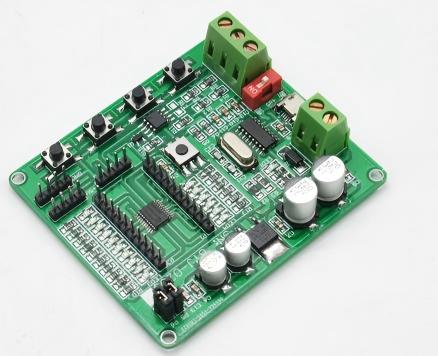
 
How to Evaluate Supplier Reliability for PCB Production

How to Evaluate Supplier Reliability for PCB Production

Evaluating the reliability of a PCB assembly  supplier is critical for long-term  partnerships. Start by reviewing their certifications,  such as ISO 9001 and IATF  16949, which  indicate  adherence to quality management standards.


Next, assess  their production capacity and lead times.  Reliable suppliers  should provide clear timelines and have the ability to  scale production based on  demand fluctuations. Requesting samples before committing to larger orders can also help verify their quality and  capability.

Additionally,  consider customer  reviews and case studies. A  supplier with a proven track record in your industry  can give you confidence in their ability to meet  your specific needs. Discussing their past  project experiences,  challenges faced, and how they were overcome can provide valuable insights into their reliability.

Cost-Effective PCB Assembly Solutions

Cost-Effective PCB Assembly Solutions

Cost is  always a concern when selecting circuit board assembly services. Here are several  strategies to ensure cost-effectiveness without sacrificing quality:

Volume Discounts: Many manufacturers,  including Suntech Electronics, offer tiered pricing based  on  order quantity. Planning larger orders can significantly reduce per-unit costs.

Material Choices: Opting for standard materials common  in the industry can lower costs. Discuss material  options with suppliers to identify potential savings without compromising  necessary specifications.

Design  for Manufacturability:  Simplifying designs can reduce production complexity and  costs. Collaborate  with your assembly service early in the design phase to identify potential efficiency improvements.

Local vs. Overseas  Production: While overseas manufacturing might offer lower costs, consider factors like lead time, shipping expenses,  and potential quality control  challenges.  Weighing these factors can help you make a more informed cost decision.

Lifecycle Management: Implementing strategies  for lifecycle management, such as  planning  for future revisions during the initial  design phase, can save costs associated with redesigns and retooling.

Common Challenges in PCB Assembly and Their Effective Solutions

PCB assembly can present several challenges that buyers should be aware of to mitigate risks effectively. Here are some common issues and their solutions:

Component Sourcing: Supply chain  disruptions can lead to delays in component availability. Establishing strong relationships with multiple suppliers can help ensure a steady supply of  critical components.

Quality Assurance:  Inconsistent quality can arise from variations in  material or manufacturing processes. Implementing strict quality control measures  and regular audits of  the  assembly process can help maintain consistency.

Design Errors: Errors in design  files can lead to costly production delays. Conducting thorough design reviews and using  simulation  tools  can identify potential issues before production begins.

Communication Gaps: Miscommunication between the buyer and supplier can lead to misunderstandings regarding specifications. Clear documentation and regular updates throughout the assembly process can help  bridge  communication gaps.

Regulatory Compliance: Different industries have  unique regulations that must be adhered to. Engaging suppliers with specific experience in your  industry  can  help navigate compliance challenges effectively.

By addressing these challenges proactively, buyers can enhance their PCB assembly experience and  ensure a  successful  outcome for their projects.

Get a Free Quote

Our representative will contact you soon.
Email
Phone
WhatsApp
Name
Message
0/1000
Upload File
Please upload at least an attachment
Up to 3 files, each no larger than 30MB. Supported formats: jpg, jpeg, png, pdf, doc, docx, xls, xlsx, csv, txt, stp, step, igs, x_t, dxf, prt, sldprt, sat, rar, zip.