EN

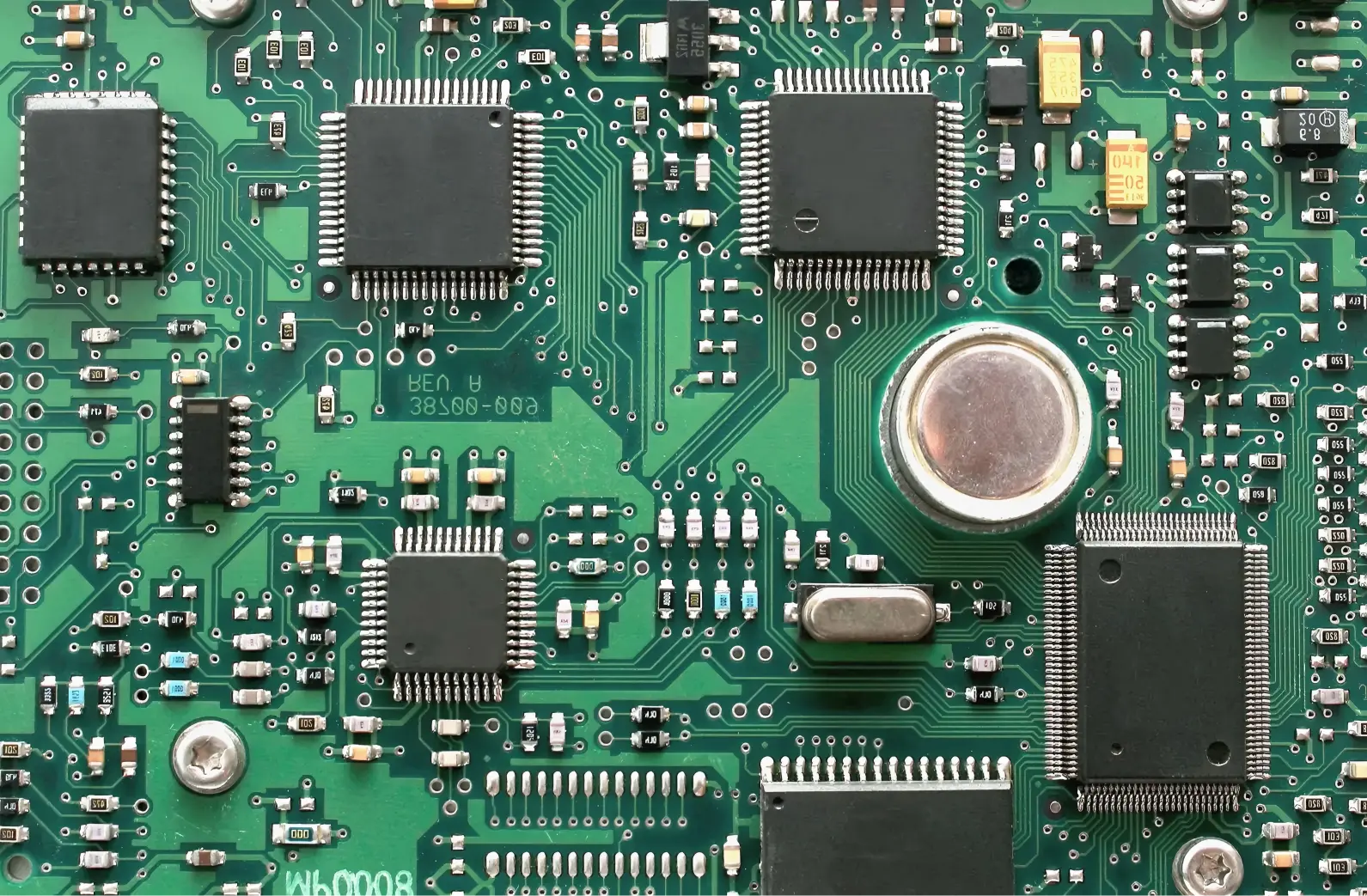
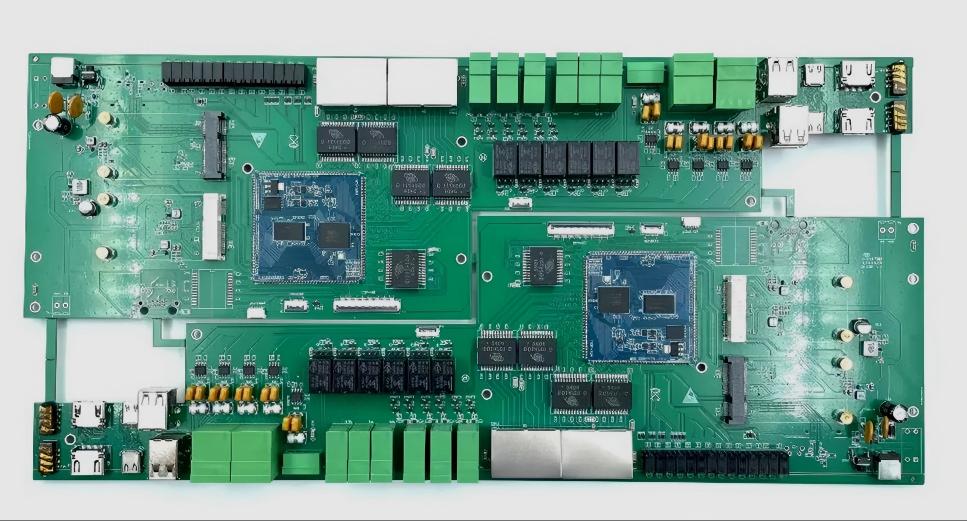
Through hole SMT assembly is a critical manufacturing process in electronics, combining traditional through-hole technology with surface-mount technology (SMT) to create reliable and robust printed circuit boards (PCBs). This method is particularly valued in applications where durability and performance are paramount, such as in aerospace, medical devices, and automotive industries. As a B2B buyer, understanding the specifications, common challenges, and best practices related to through hole SMT assembly will empower you to make informed decisions when sourcing these components.
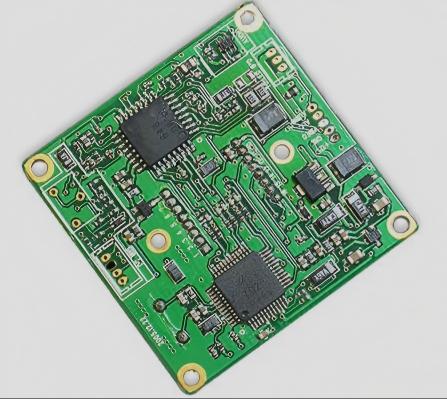
Common Problems in SMT Assembly and Effective Solutions for Buyers
Despite its advantages, through hole SMT assembly can present various challenges. Here are some common issues and potential solutions:
Soldering Defects: Issues such as insufficient solder, bridging, or cold solder joints can occur. To mitigate these problems, ensure that your manufacturer employs automated solder inspection technologies like SPI (Solder Paste Inspection) and X-ray inspection for hidden joints.
Component Misalignment: Misalignment during assembly can lead to electrical failures. It's advisable to request a sample run before full production to verify that components are correctly placed and soldered.
Thermal Management: In applications that generate heat, inadequate thermal management can compromise performance. Discuss thermal vias and heat sink designs with your manufacturer to ensure the PCB can dissipate heat effectively.
Material Incompatibility: Using inappropriate materials for specific applications can lead to failures. Confirm material specifications, especially if your assembly will face extreme environmental conditions such as high temperatures or humidity.
Anticipating these potential issues and working closely with your manufacturer can streamline the assembly process and enhance product reliability.