EN

Through hole PCB assembly services are vital in manufacturing electronic circuits for various industries, including aerospace, medical, and automotive. These services offer reliable connections for components that require robust mechanical stability. As a B2B buyer, you may have concerns regarding quality, specifications, and the overall reliability of your supplier. This article will provide detailed insights into through hole PCB assemblies, helping you make informed decisions about your sourcing needs.
Key Specifications to Consider for Through Hole PCB Assemblies
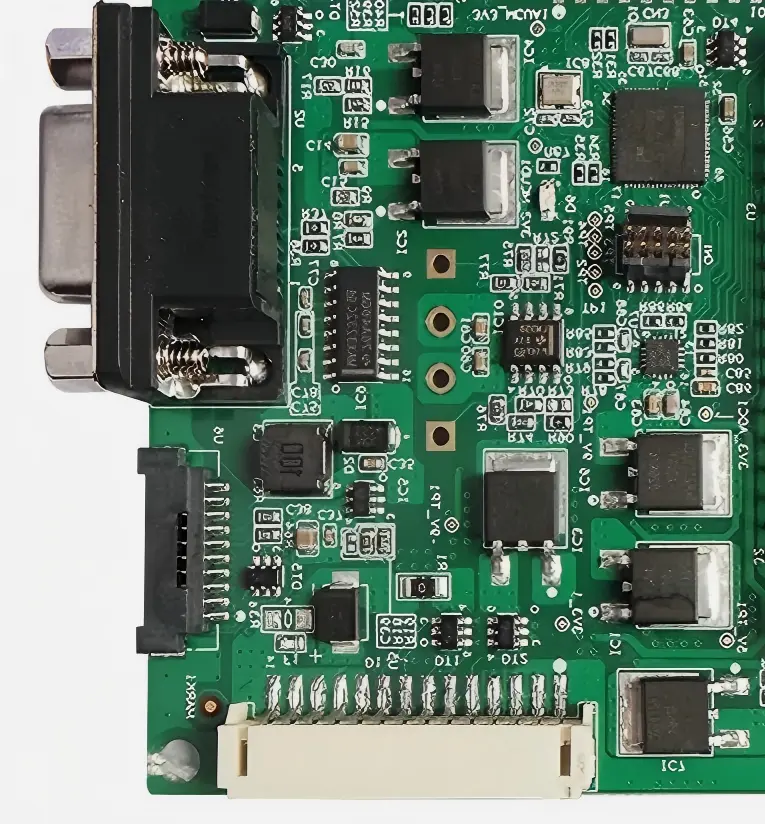
When evaluating through hole PCB assemblies, several specifications are critical to ensuring the product meets your application requirements.
Layer Count: The number of layers in the PCB can affect signal integrity and density. For complex applications, higher layer counts (up to 50 layers) may be necessary, while simpler designs can function adequately with fewer layers.
Material Selection: The choice of substrate material (e.g., FR-4, Rogers) impacts thermal stability and electrical performance. For high-frequency applications, materials with low dielectric loss are recommended.
Hole Size and Tolerance: Through hole sizes must be compatible with the components being used. Tolerances for hole sizes should be specified to ensure proper component fit and performance.
Surface Finish: The type of surface finish (e.g., HASL, ENIG) affects solderability and overall reliability, especially in demanding environments.
Testing Standards: Ensure that the assembly will undergo appropriate testing, such as X-ray and ICT (In-Circuit Testing), to confirm quality and functionality before delivery.
By clarifying these specifications, you can better communicate your requirements to your supplier and avoid potential issues during production.