EN

When seeking reliable solutions for electronic manufacturing, understanding SMT assembly for PCB prototypes is crucial. SMT (Surface Mount Technology) assembly is a process where components are mounted directly onto the surface of printed circuit boards (PCBs), offering benefits such as compact designs and high efficiency. B2B buyers, including purchasing managers and product developers, often face challenges like quality assurance, supplier reliability, and the suitability of prototypes for specific applications. This article will guide you through critical considerations when choosing SMT assembly PCB prototypes, ensuring you make informed decisions for your projects.
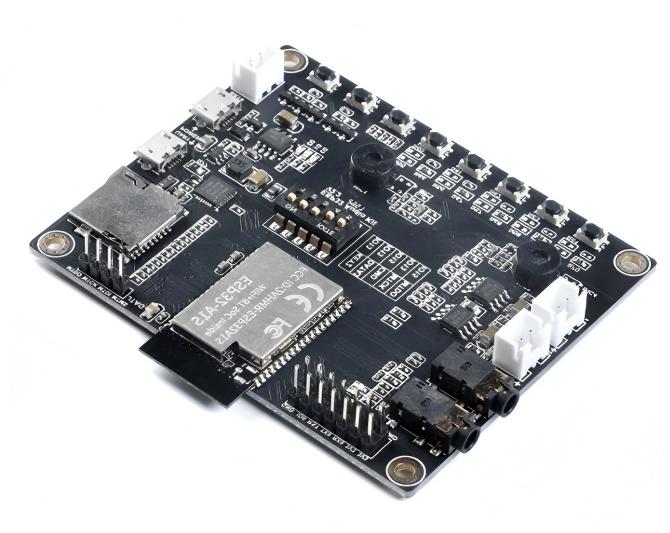
How to Evaluate the Quality of PCB Prototypes for Your Projects
Quality evaluation of PCB prototypes is essential before committing to mass production. Start with a thorough inspection of the initial samples. Key aspects to check include solder joint integrity, component placement accuracy, and electrical performance. Advanced testing methods such as X-ray inspection and In-Circuit Testing (ICT) can provide insights into hidden defects that surface-level inspections might miss.
Moreover, consider the certification status of your supplier. ISO and IATF certifications indicate that the manufacturer adheres to internationally recognized quality management standards, essential for industries like aerospace and automotive. Request documentation proving compliance, as this can significantly impact your project's viability.
Finally, ensure that the prototype aligns with your project's end-use requirements. For example, in medical applications, prototypes must meet stringent regulatory standards to ensure safety and effectiveness. Discuss these requirements with your supplier to confirm that they can deliver prototypes that meet your specifications.