Choosing Automotive PCB Manufacturers for Quality

All Categories

Get a Free Quote

Our representative will contact you soon.
Email
Phone
WhatsApp
Name
Message
0/1000
Upload File
Please upload at least an attachment
Up to 3 files, each no larger than 30MB. Supported formats: jpg, jpeg, png, pdf, doc, docx, xls, xlsx, csv, txt, stp, step, igs, x_t, dxf, prt, sldprt, sat, rar, zip.

pcb manufacturer automotive

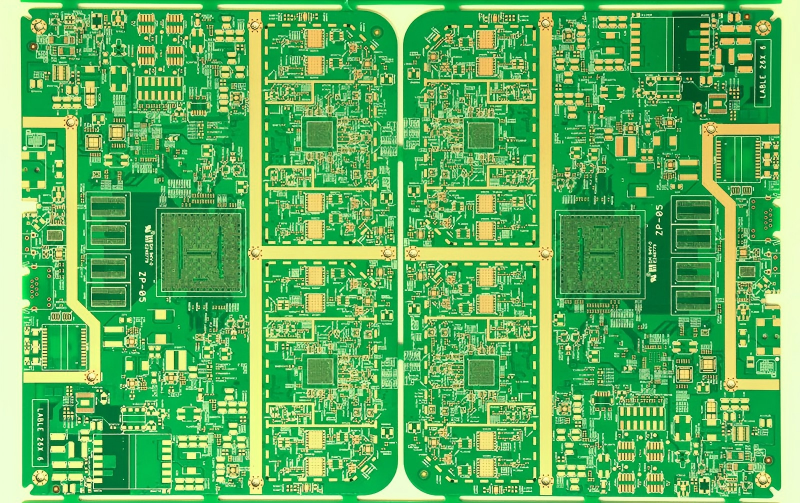
In the  fast-evolving automotive industry, selecting  the right PCB manufacturer  is crucial for ensuring both  performance and reliability. Automotive PCB manufacturers must  provide  intricate solutions that  meet stringent quality  standards while accommodating the unique demands of automotive applications.  This article will explore the critical aspects  of  choosing a PCB  manufacturer  for automotive  needs, focusing on quality standards, supplier selection, essential  buyer knowledge, technical insights on  HDI and  rigid-flex PCBs, and strategies for  ensuring  performance quality.
 

What to Look for in Automotive PCB Manufacturer Quality Standards

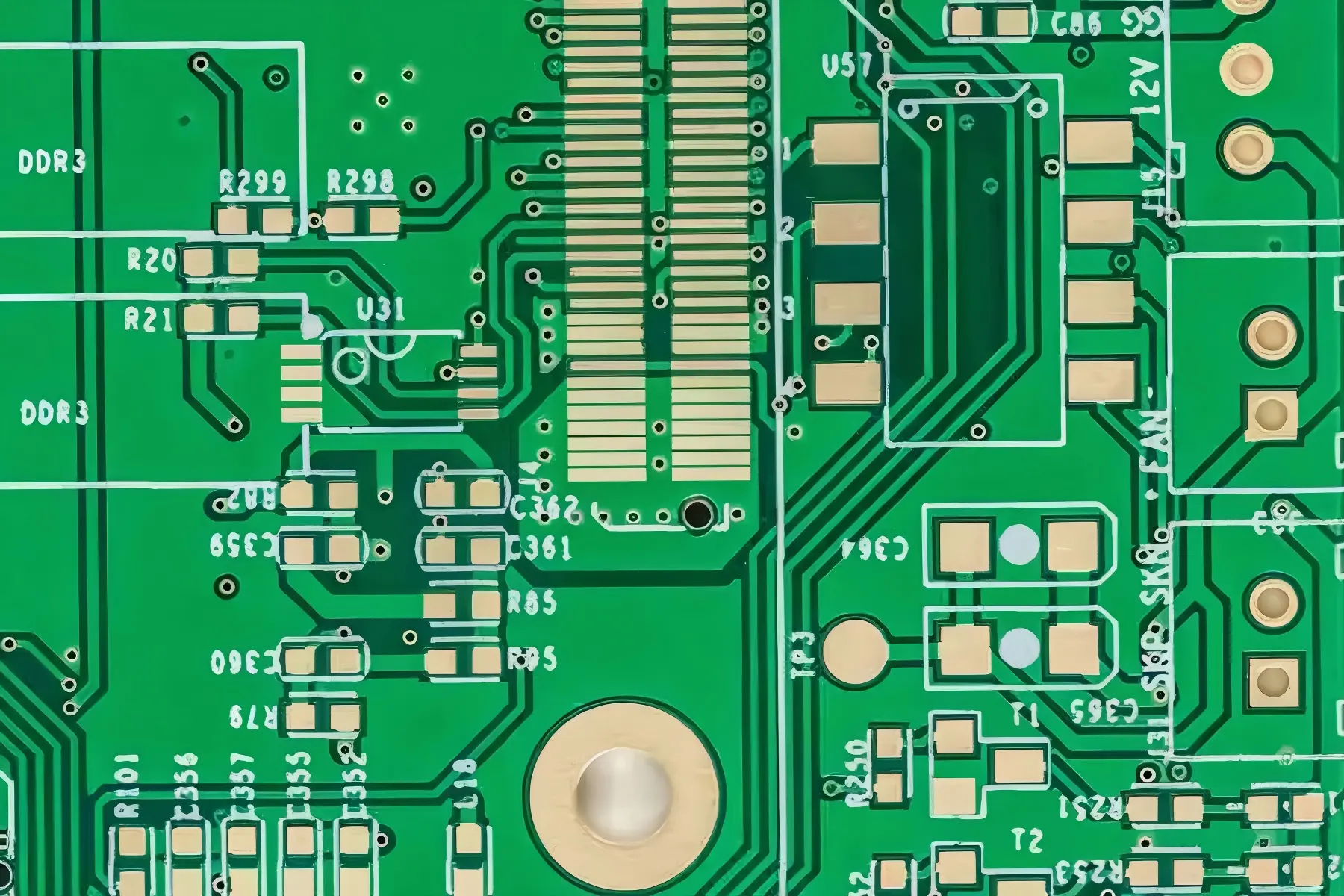
When  evaluating automotive PCB manufacturers, adherence to quality standards is paramount. Look for manufacturers that hold ISO and  IATF certifications, as these indicate a commitment to quality management systems and automotive  standards. These certifications ensure that the manufacturer has implemented rigorous quality  control processes, which are essential in the automotive sector where safety and reliability are non-negotiable.

Additionally, inquire about the manufacturer’s testing capabilities. Advanced testing methods such as X-ray inspection, In-Circuit  Testing  (ICT), and Solder Paste Inspection (SPI) should be  standard  practices. These tests help identify potential  defects early in the production  process, which is critical for automotive applications where even minor failures can lead to significant safety issues.


Quality also extends to the materials  used in PCB manufacturing. Automotive  PCBs often  require specific  materials  that can withstand  extreme conditions, including temperature fluctuations and exposure to chemicals.  Manufacturers should be able to provide  detailed information about the materials they  use, including their properties and any certifications that ensure their suitability for automotive applications.

Get a Free Quote

Our representative will contact you soon.
Email
Phone
WhatsApp
Name
Message
0/1000
Upload File
Please upload at least an attachment
Up to 3 files, each no larger than 30MB. Supported formats: jpg, jpeg, png, pdf, doc, docx, xls, xlsx, csv, txt, stp, step, igs, x_t, dxf, prt, sldprt, sat, rar, zip.

Related product categories

How to Choose the Right PCB Supplier for Automotive Applications

How to Choose the Right PCB Supplier for Automotive Applications

Selecting the right PCB supplier  involves several  key considerations.  First, assess their manufacturing capabilities. A supplier that offers a range of services, from prototyping to mass production,  can  provide greater  flexibility  and support throughout the product lifecycle. Suntech Electronics, for instance, specializes in  both automated prototyping and mass production, ensuring that they can scale to meet varying  demands.

Next, evaluate the supplier's experience  in the  automotive sector. A supplier with a proven  track record in producing automotive PCBs  will understand the specific challenges and requirements of the industry.  This includes knowledge of regulatory compliance, such as safety standards and environmental regulations.

Communication is another vital factor. A reliable PCB supplier should provide clear and timely communication throughout  the production process. This includes updates  on lead times, production schedules,  and any potential issues that may arise. Establishing a good communication channel ensures  that any adjustments can be  made quickly, reducing the risk of delays.

Lastly, consider the supplier’s customization capabilities. Automotive applications often require tailored solutions, whether in design or material selection. A supplier that can adapt to specific customer needs will  be a valuable partner in achieving your project goals.
What Buyers Should Know

What Buyers Should Know

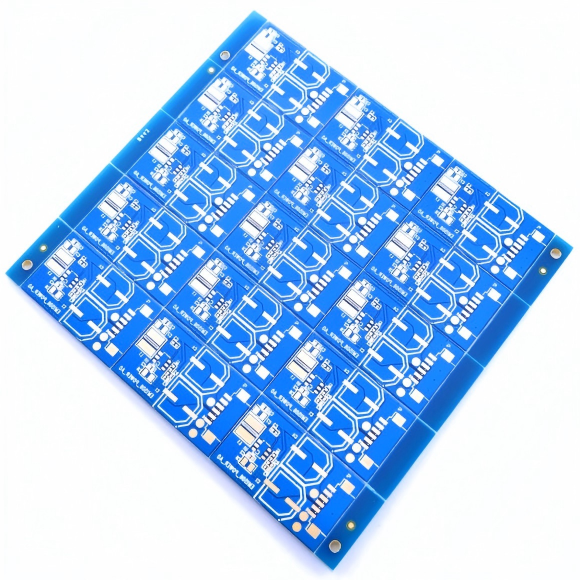
Before engaging with a PCB manufacturer, buyers should prepare by gathering essential information to  facilitate the  quoting process. This  includes specifying the type of  PCB required, the number of layers, and the desired  features such as HDI or rigid-flex designs.  Understanding these  details will  help the manufacturer provide an accurate quotation.


It’s also important to  clarify application  requirements. Buyers should communicate the  intended use of the  PCBs, including environmental conditions, mechanical stresses,  and any  specific regulatory standards that must be met. This information will enable the manufacturer to recommend suitable  materials and production methods.

When receiving a quotation, pay attention to the minimum order quantity (MOQ) and lead  times. These factors can significantly impact project timelines and costs. Additionally, inquire about sample approval processes. Testing samples under actual operating conditions is essential before proceeding  to mass production, as this helps to identify any potential issues that could arise  in real-world applications.

 
Technical Insights into HDI and Rigid-Flex PCBs for Automotive Use

Technical Insights into HDI and Rigid-Flex PCBs for Automotive Use

High-Density Interconnect (HDI) boards and rigid-flex PCBs are increasingly popular in  automotive applications due to their compact size and enhanced performance capabilities. HDI boards  utilize finer  lines and  spaces, allowing for more connections in a smaller area, which is  ideal for modern automotive electronics that are becoming more integrated.

Rigid-flex PCBs combine the benefits of  both rigid and flexible circuits, offering durability and flexibility in  design. This is particularly advantageous in automotive applications where  space is  limited, and components must be positioned in unique orientations.

When selecting HDI or rigid-flex PCBs, consider the following technical parameters:

Layer Count: The complexity of the design often  dictates the number  of  layers. More layers can facilitate complex routing but may  increase  costs. Material Selection: The choice of substrate material is  critical. Materials with  low dielectric constant and loss tangent are preferable for  high-frequency  applications. Thermal  Management:  Assess the thermal performance requirements, particularly in areas of high heat generation, such as near the engine or braking systems.

Understanding these technical specifications will empower buyers to make informed decisions that align with their project requirements.

Ensuring Quality Performance

To ensure the quality performance of automotive PCBs, it is imperative  to  implement rigorous quality control measures throughout the  production process. Start by establishing clear quality expectations with your PCB manufacturer, and ensure they are equipped with the necessary testing capabilities.

Regular audits and inspections should be part of the quality assurance process.  Buyers should  require documentation of quality checks performed at various  stages of production, from material inspections to final testing. This transparency helps build trust and ensures that the final product meets all specified requirements.

Additionally, consider establishing a feedback loop  with your supplier. After the initial production run, gather performance data  on the  PCBs in their operational environment. This real-world feedback can inform future orders and help identify any areas for improvement in design  or manufacturing processes.


Overall, partnering with  a reliable PCB manufacturer  that emphasizes  quality  and understands  the unique demands  of the automotive sector will significantly contribute to the success of your projects. By focusing on quality standards, supplier selection, technical  insights, and ongoing performance evaluation, automotive buyers can  ensure they receive exceptional PCB solutions tailored to their needs.


Get a Free Quote

Our representative will contact you soon.
Email
Phone
WhatsApp
Name
Message
0/1000
Upload File
Please upload at least an attachment
Up to 3 files, each no larger than 30MB. Supported formats: jpg, jpeg, png, pdf, doc, docx, xls, xlsx, csv, txt, stp, step, igs, x_t, dxf, prt, sldprt, sat, rar, zip.