Choosing the Right Surface Mount Technology Assembly

All Categories

Get a Free Quote

Our representative will contact you soon.
Email
Phone
WhatsApp
Name
Message
0/1000
Upload File
Please upload at least an attachment
Up to 3 files, each no larger than 30MB. Supported formats: jpg, jpeg, png, pdf, doc, docx, xls, xlsx, csv, txt, stp, step, igs, x_t, dxf, prt, sldprt, sat, rar, zip.

surface mount technology assembly

Surface mount  technology (SMT) assembly is a critical  process in the manufacturing of printed circuit boards  (PCBs) that allows for  the efficient placement  of  components on a  circuit board's surface. As a purchasing manager or  product  manager, understanding SMT assembly  can help address  your  concerns regarding quality, cost, and supplier selection.  This article will guide you through  essential  factors to consider  when choosing  an SMT assembly supplier,  the specifications  for high-quality assemblies, cost considerations, how to evaluate  quality standards, and the benefits of bulk ordering.
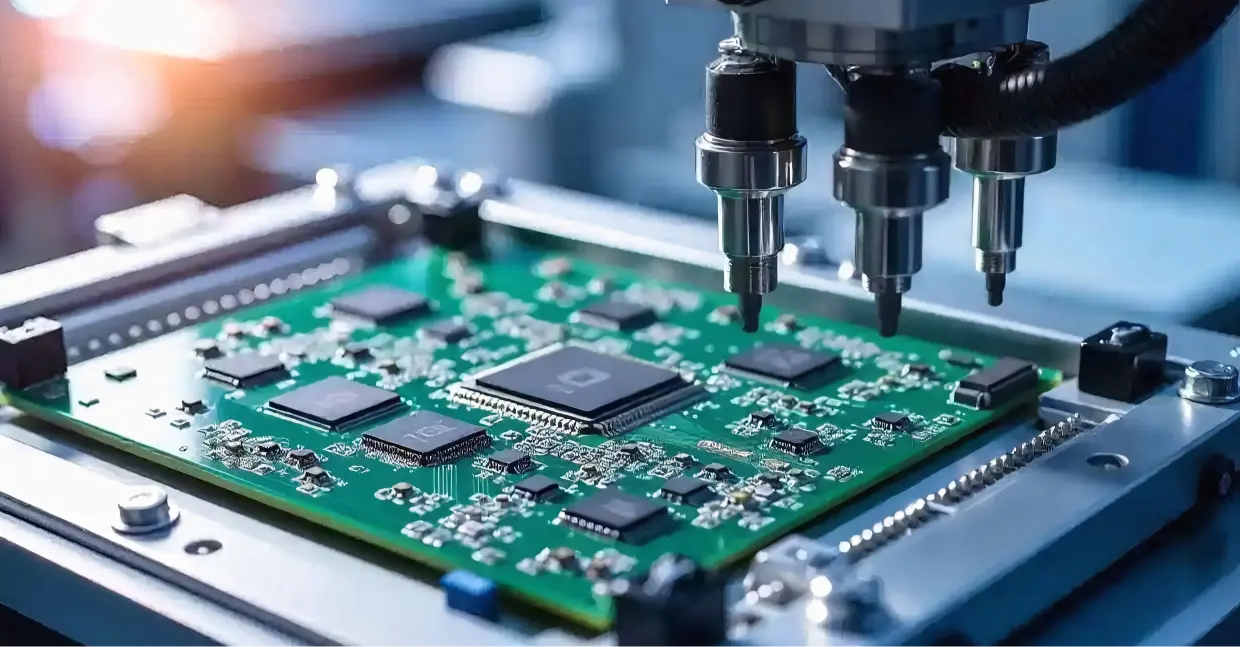
Choosing the Right Surface Mount Technology Assembly Supplier

Selecting the right SMT assembly supplier is crucial  for ensuring product quality and  meeting production timelines. Start by assessing the  supplier's manufacturing capabilities, including their experience with the specific technology you require, such as  HDI  (high-density interconnect) and rigid-flex  PCBs. It's  also important  to confirm their certifications, such as ISO and IATF, which indicate adherence to quality  management systems.

In  addition  to technical capabilities, consider the supplier's track record in servicing your industry, whether it  be  aerospace, medical, or automotive. A supplier  familiar  with the regulatory standards and  specific  challenges of your sector will likely be better  equipped to deliver suitable solutions. Lastly, evaluate  their customer support and communication practices; timely and clear communication can significantly impact project  success.

Get a Free Quote

Our representative will contact you soon.
Email
Phone
WhatsApp
Name
Message
0/1000
Upload File
Please upload at least an attachment
Up to 3 files, each no larger than 30MB. Supported formats: jpg, jpeg, png, pdf, doc, docx, xls, xlsx, csv, txt, stp, step, igs, x_t, dxf, prt, sldprt, sat, rar, zip.

Related product categories

Key Specifications for High-Quality Surface Mount Technology Assemblies

Key Specifications for High-Quality Surface Mount Technology Assemblies

When evaluating SMT  assemblies, several key  specifications should be considered. These include:


Layer Count: The number of  layers in a PCB affects its complexity and performance. Options typically range from 1 to 50 layers, with higher layer counts allowing  for more intricate designs  but also increasing manufacturing challenges.

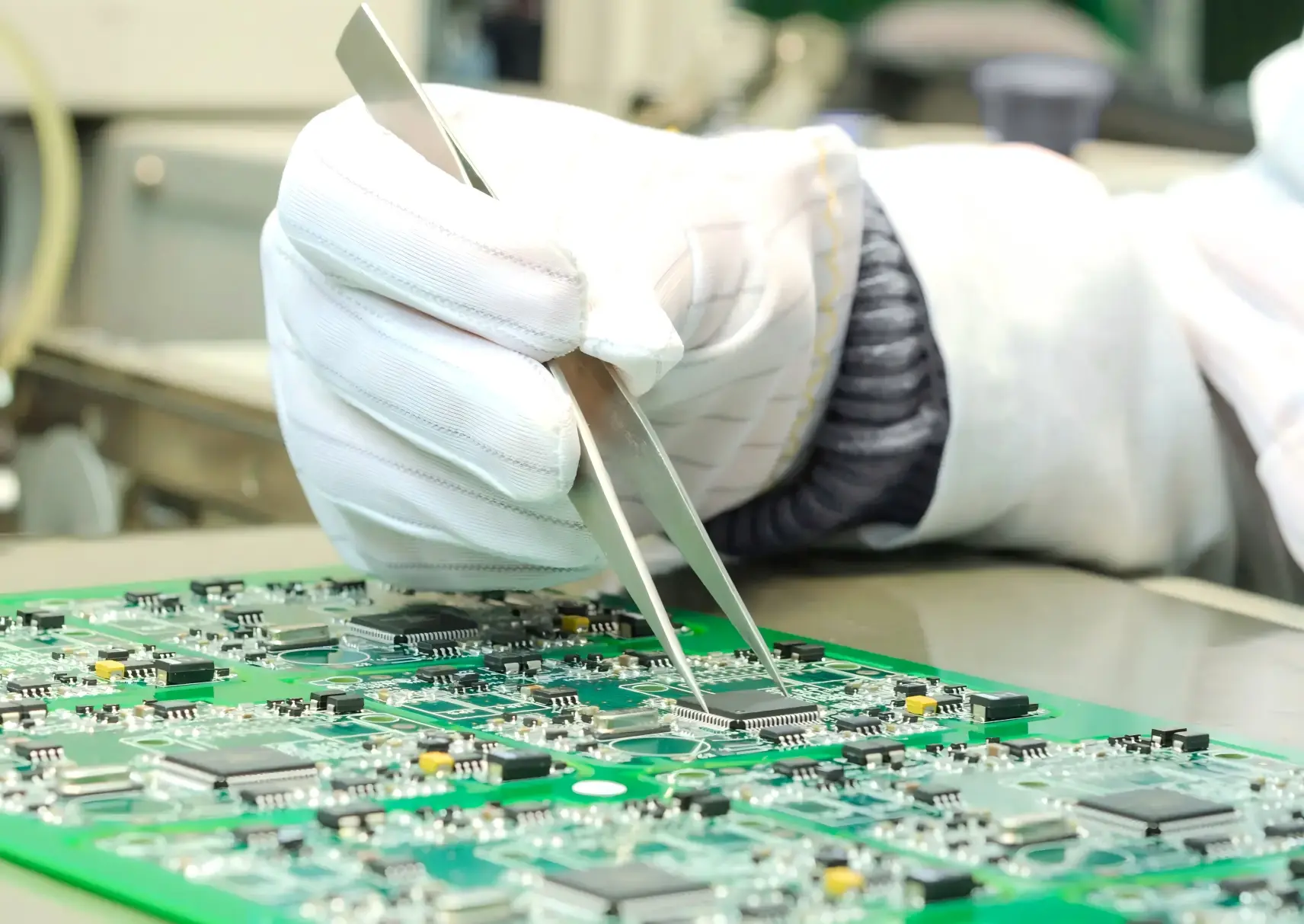
Component Placement Accuracy: Precision in  component placement is vital for functionality.  This is usually measured  in microns and can affect the assembly's performance under different conditions.

Solder  Paste Application: The application method  (Stencil Printing, for example)  and the thickness of solder paste can greatly influence the quality of solder  joints. Proper application ensures good electrical connections  and minimizes defects.

Testing Capabilities: Understanding the  testing methods  employed, such as SPI (Solder Paste Inspection), X-ray, and ICT  (In-Circuit Testing), will provide insights into the quality  assurance processes in place.

Each specification impacts the performance and  reliability of  the circuit board, so it is essential to confirm that the selected supplier can meet your specific requirements.
Understanding Cost Factors in Surface Mount Technology Assemblies

Understanding Cost Factors in Surface Mount Technology Assemblies

Cost considerations in SMT assembly can vary significantly based on several  factors. The  primary cost drivers include:

Material Costs:  The selection of components  and materials directly affects pricing. High-quality,  specialized materials may lead to increased costs, but they can  also  enhance performance and reliability.

Production Volume: Larger production runs generally reduce the per-unit cost due to economies of scale. However, ensure that your minimum order quantities (MOQs) align  with your needs  to avoid excess inventory.

Complexity of  Design:  More complex PCB designs require advanced manufacturing processes, which can  increase labor and material costs. It is crucial to  evaluate whether the added complexity is necessary for your application.

Lead Times: Rush orders  or expedited shipping options can significantly increase costs.  Planning your  production schedule can help mitigate extra charges.

Understanding these cost factors will enable you  to make  informed budgeting decisions while ensuring that the quality of the  SMT assemblies  meets your application requirements.

How to Evaluate Surface Mount Technology Assembly Quality Standards

How to Evaluate Surface Mount Technology Assembly Quality Standards

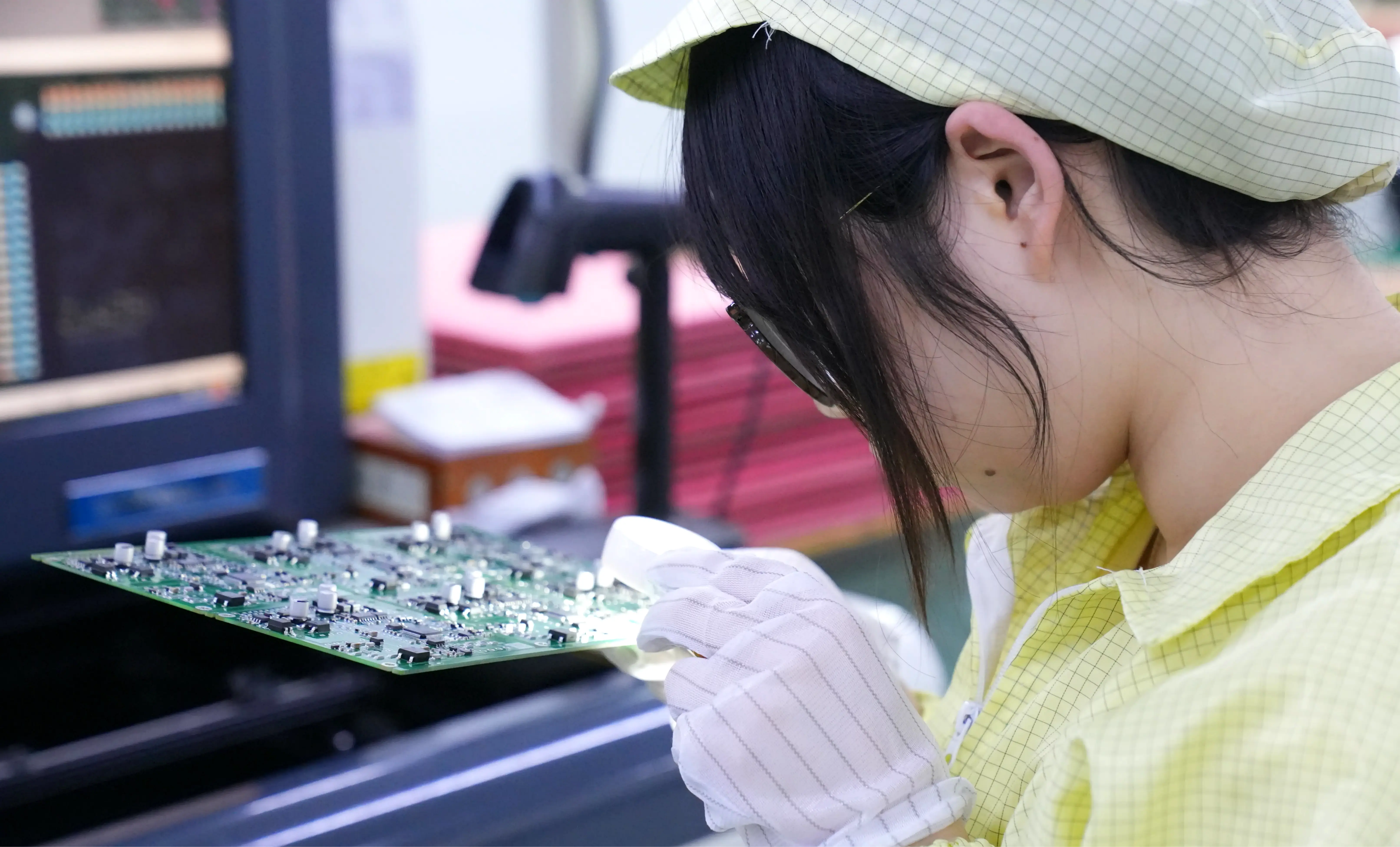
Evaluating the quality standards of SMT assembly involves a  systematic approach  to ensure compliance with  industry expectations. Here are  essential  steps to follow:

Review Certifications:  Check if the supplier holds  relevant certifications like ISO 9001 or IATF 16949, which demonstrate adherence to quality  management  systems. This is particularly important in regulated industries  such as  aerospace and medical.

Quality Control Processes: Inquire about the supplier's quality control measures,  including their inspection methods and protocols for addressing defects. Understanding these processes can provide confidence in the reliability of the assemblies.

Sample Approval Process: Before mass production, it is advisable to conduct a sample approval process.  This allows you  to assess the assembly's performance, fit, and appearance under actual operating conditions, ensuring it meets your specifications.

Customer Feedback and Case Studies: Seek testimonials from other customers or case studies  that demonstrate the supplier's ability to deliver  high-quality assemblies in your industry.

By following these steps, you can effectively evaluate potential  suppliers and select one  that  aligns with your quality  expectations.

Bulk Order Benefits for Surface Mount Technology Assembly Parts

Bulk ordering SMT assemblies can provide several advantages, both financially and operationally. These include:

Cost  Savings: Bulk orders often lead  to  reduced per-unit costs,  which can significantly lower your overall manufacturing expenses.  This is particularly advantageous for high-volume production runs.

Consistent Supply: Ordering in bulk can ensure a steady supply  of  components, reducing the likelihood of production delays due  to  shortages. This consistency is crucial for maintaining production schedules.

Customization  Opportunities: Suppliers may  be  more willing to offer customization options for bulk orders. This can include tailored configurations  or packaging methods that align with your specific needs.

Streamlined Communication: Establishing a long-term relationship with a supplier through bulk orders can enhance communication and collaboration, leading to improved responsiveness and service.

When considering a bulk order, ensure that the supplier's production capacity aligns with  your requirements to avoid potential issues during fulfillment.

Understanding these aspects  will empower you  to make  more informed decisions regarding SMT assembly suppliers,  ensuring  the quality and efficiency of your manufacturing  processes.

Get a Free Quote

Our representative will contact you soon.
Email
Phone
WhatsApp
Name
Message
0/1000
Upload File
Please upload at least an attachment
Up to 3 files, each no larger than 30MB. Supported formats: jpg, jpeg, png, pdf, doc, docx, xls, xlsx, csv, txt, stp, step, igs, x_t, dxf, prt, sldprt, sat, rar, zip.