SMT Assembly for Medical Devices: Key Insights

All Categories

Get a Free Quote

Our representative will contact you soon.
Email
Phone
WhatsApp
Name
Message
0/1000
Upload File
Please upload at least an attachment
Up to 3 files, each no larger than 30MB. Supported formats: jpg, jpeg, png, pdf, doc, docx, xls, xlsx, csv, txt, stp, step, igs, x_t, dxf, prt, sldprt, sat, rar, zip.

smt assembly medical device

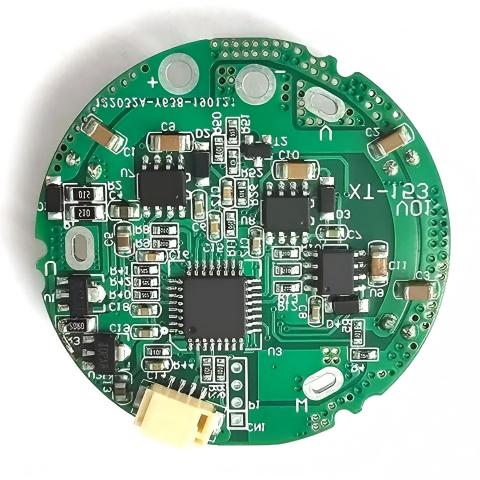
SMT assembly for  medical devices  is a specialized manufacturing process that ensures the  reliable  assembly  of printed circuit boards  (PCBs) used in  various medical applications. As  healthcare technology  advances,  purchasing managers  and engineers must navigate the complexities  of selecting  the right assembly process  that meets stringent quality and performance  standards. This  article will guide  you through the critical aspects of SMT assembly in medical  devices, addressing buyer concerns and providing  actionable  insights for informed decision-making.
How to Choose the Right SMT Assembly for Medical Devices

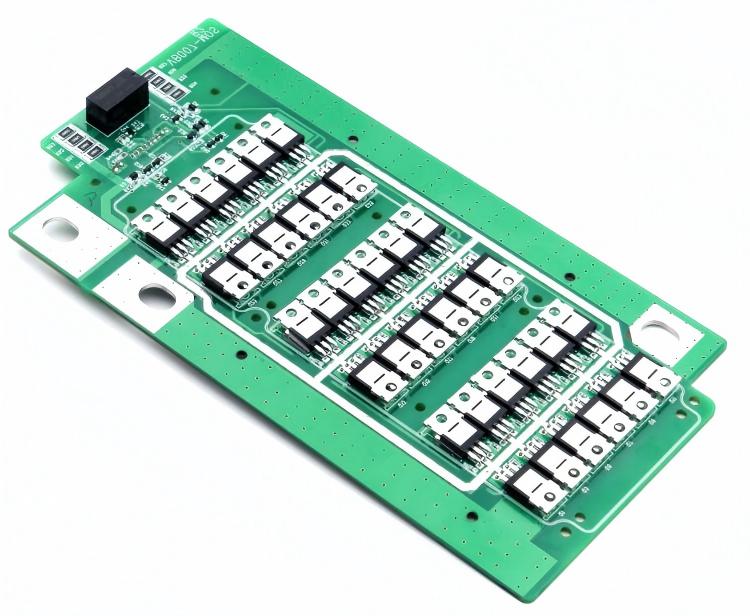
Selecting the  right SMT assembly for medical devices involves  understanding specific requirements such as regulatory compliance, production volume, and the technical specifications of the devices themselves.  Buyers should consider factors  such as:

Material Compatibility: Ensure that the materials used in the SMT process  are suitable for  medical applications, including biocompatibility and resistance to  sterilization  processes.  Manufacturing Capabilities: Evaluate  the manufacturer's ability to  handle complex designs, especially for high-density interconnect (HDI) boards and  rigid-flex  configurations that are often found in advanced medical devices. Quality Control Systems: Look for manufacturers with robust quality assurance processes, including in-line testing methods  like Automated Optical Inspection  (AOI) and X-ray inspection,  which are crucial  for ensuring the reliability  of  SMT assemblies in critical  applications.

Get a Free Quote

Our representative will contact you soon.
Email
Phone
WhatsApp
Name
Message
0/1000
Upload File
Please upload at least an attachment
Up to 3 files, each no larger than 30MB. Supported formats: jpg, jpeg, png, pdf, doc, docx, xls, xlsx, csv, txt, stp, step, igs, x_t, dxf, prt, sldprt, sat, rar, zip.

Related product categories

Key Specifications for SMT Assemblies in Medical Device Manufacturing

Key Specifications for SMT Assemblies in Medical Device Manufacturing

When  assessing SMT assemblies for medical devices, several key specifications must  be considered to ensure they  meet both performance and regulatory requirements:

  Layer Count: The number of layers in the PCB is significant, particularly  for complex  devices. Medical devices may require multilayer PCBs (1-50 layers)  to accommodate advanced functionalities. Pad Sizes and Pitch:  The dimensions of pads and the spacing between them (pitch) affect component  placement accuracy and the  overall reliability of the assembly. Smaller components may  require  tighter pitches, necessitating precise manufacturing  capabilities.  Testing Protocols:  It’s  essential to implement rigorous testing protocols,  including in-circuit testing (ICT) and functional testing  to ensure that the assembled products meet the necessary performance standards. 

Confirming that these specifications align with the intended application will help mitigate risks associated with device failure in  the field.
Common Installation Problems with SMT Assemblies and Their Solutions

Common Installation Problems with SMT Assemblies and Their Solutions

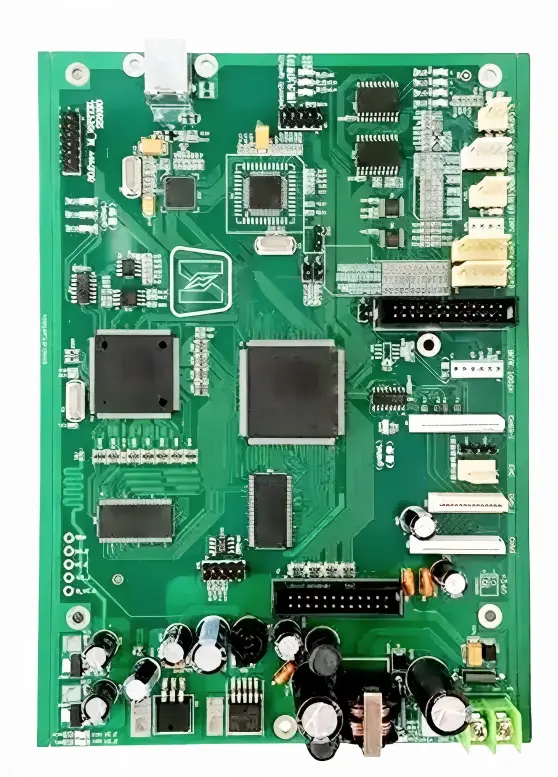
While SMT assemblies offer many advantages,  they are not without challenges during installation. Common  issues include:

Misalignment of Components: This can occur due to inaccurate  placement during the assembly process.  To combat this, manufacturers should utilize  advanced  pick-and-place machines with  high precision and implement stringent process  controls. Solder Joint Failures: Improper soldering can lead to weak connections. Regular inspection using  X-ray  or Automated  Optical Inspection (AOI) can identify potential solder  joint issues  before the  product goes into use. Thermal Management Issues: Inadequate  heat dissipation can affect device performance. Designs must incorporate thermal management solutions, such  as heat sinks or thermal vias, to ensure components operate within their  specified temperature ranges.

By recognizing these potential problems early in the  process, purchasing managers can work closely  with  manufacturers to implement corrective measures and improve product reliability.

Applications of SMT Assembly Technology in Medical Devices

Applications of SMT Assembly Technology in Medical Devices

SMT assembly technology plays a  crucial role in various medical device applications,  including:

Wearable Medical Devices: These devices often require compact and  lightweight  PCBs that can accommodate numerous sensors and communication modules. SMT assembly is  ideal for achieving the high-density interconnections necessary for these applications. Diagnostic Equipment:  In devices such as  blood  analyzers and  imaging systems, SMT  assemblies must meet high reliability and precision standards.  The use of sophisticated testing methods during  production ensures that these devices perform accurately during critical diagnostics. Implantable Devices: For devices that will  be placed inside the  body, such as pacemakers or neurostimulators, the SMT assembly must not only  be functionally reliable  but also meet biocompatibility  standards. Understanding the implications of material choices and assembly methods is essential in these cases.

Each application  has unique requirements that should be carefully evaluated  when  selecting a manufacturing partner.

Comparing SMT Assembly Options for Optimal Medical Device Production

When comparing  SMT  assembly options, consider several factors that can  influence the efficiency  and cost-effectiveness of production:

Production  Volume: High-volume production  may benefit from automated processes that reduce labor costs, while low-volume projects might be better suited to flexible manufacturing solutions. Customization Capabilities: Some manufacturers offer more extensive customization options, allowing for tailored solutions that meet specific  device requirements.  Evaluate  whether the supplier can adapt  to your unique needs. Lead Time: Assess the lead times offered by potential suppliers. Fast prototyping can be crucial for getting  medical devices to market  quickly, so it’s essential to understand the timelines involved in both prototyping and mass production.

By weighing these factors, buyers can make informed decisions that  align with  their production goals and timelines.

understanding the intricacies of SMT assembly  for medical devices is crucial for making  informed purchasing decisions. By focusing on the specifications, potential installation challenges, and application requirements, purchasing managers and engineers  can ensure that  they select the best assembly solutions to  meet  their needs.

Get a Free Quote

Our representative will contact you soon.
Email
Phone
WhatsApp
Name
Message
0/1000
Upload File
Please upload at least an attachment
Up to 3 files, each no larger than 30MB. Supported formats: jpg, jpeg, png, pdf, doc, docx, xls, xlsx, csv, txt, stp, step, igs, x_t, dxf, prt, sldprt, sat, rar, zip.