EN

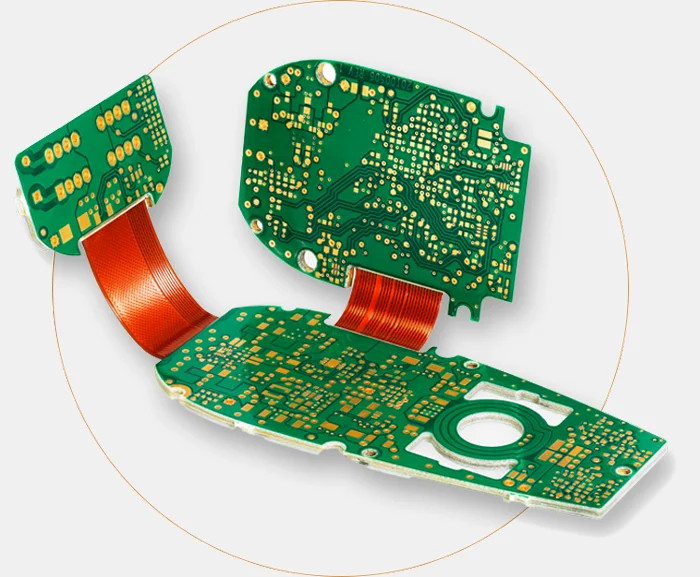
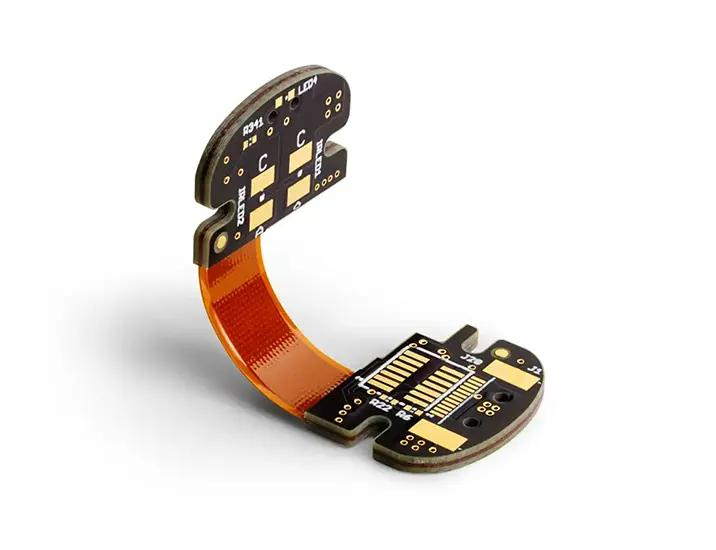
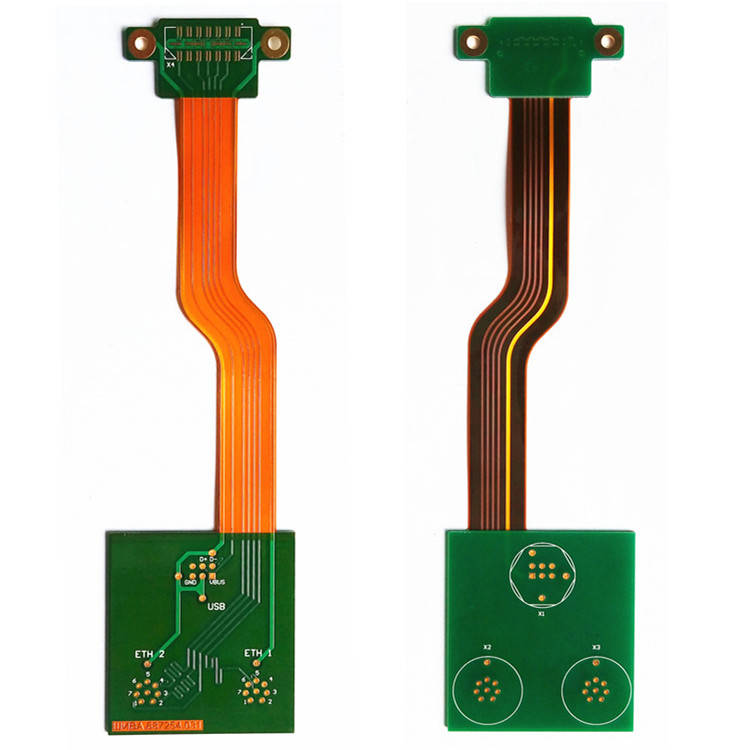
Rigid-flex PCBs, or rigid-flexible printed circuit boards, combine the benefits of rigid and flexible circuits into a single unit, offering enhanced design flexibility and reduced assembly complexity. These boards are crucial for applications in industries such as aerospace, medical, and automotive, where space and reliability are paramount. As a B2B buyer, your primary concerns may include sourcing high-quality materials, ensuring supplier reliability, and understanding the manufacturing process. This article will guide you through key considerations when sourcing rigid-flex PCBs, helping you make informed decisions for your projects.
Where to Find Reliable Suppliers for Rigid-Flex PCB Solutions
Evaluating the reliability of a rigid-flex PCB supplier involves several key steps. Start by assessing their certifications and quality management systems, such as ISO and IATF certifications, which indicate adherence to international quality standards. These certifications reflect the supplier’s commitment to delivering high-quality products consistently.
Next, review their manufacturing capabilities, including the technology they use for production. Advanced techniques such as surface mount technology (SMT) and automated inspection processes like SPI and X-ray testing can significantly enhance product quality. A supplier with robust testing protocols can help mitigate risks associated with defects.
Additionally, consider the supplier's experience in your specific industry. Suppliers that have a proven track record in aerospace, medical, or automotive sectors will better understand the unique requirements and regulatory standards of your applications.
Finally, seek out customer testimonials and case studies to gauge their reliability and customer service. A reputable supplier should be willing to provide references and examples of past projects that align with your needs.