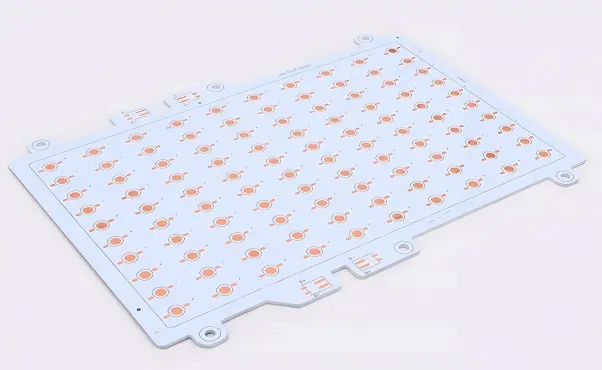
Choosing the Right Aluminum PCB Manufacturer

All Categories

Get a Free Quote

Our representative will contact you soon.
Email
Phone
WhatsApp
Name
Message
0/1000
Upload File
Please upload at least an attachment
Up to 3 files, each no larger than 30MB. Supported formats: jpg, jpeg, png, pdf, doc, docx, xls, xlsx, csv, txt, stp, step, igs, x_t, dxf, prt, sldprt, sat, rar, zip.

pcb manufacturer aluminum pcb

Aluminum  PCBs  are increasingly favored in various  electronic  applications  due to  their  excellent thermal  management capabilities and lightweight design.  As a B2B buyer, understanding the  nuances of selecting the right aluminum  PCB  manufacturer is crucial  for ensuring product reliability  and performance.  This article will guide you  through key considerations when choosing a manufacturer, the  specifications  that matter, how to  assess supplier reliability, the various applications of aluminum PCBs, and the material advantages that make them a preferred choice in  many industries.
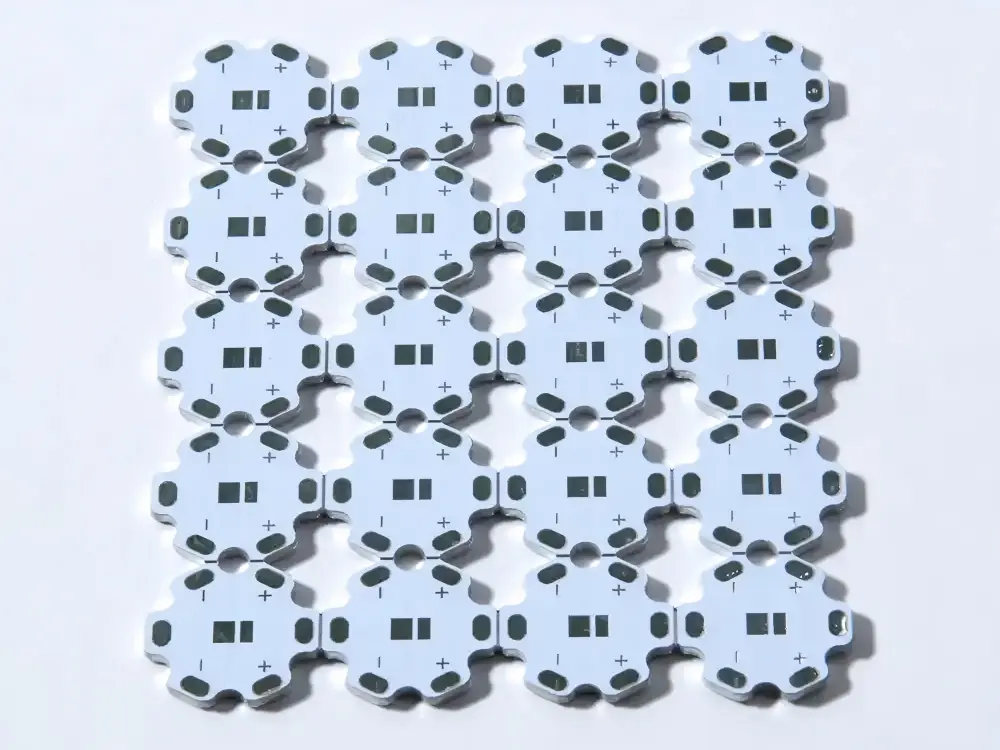
Choosing the Right Aluminum PCB Manufacturer for Your Project Needs

When selecting an  aluminum PCB manufacturer, it  is  essential to evaluate  their capabilities, experience, and the  specific services  they offer. Look for manufacturers that provide a comprehensive  range of PCB and PCBA services, such as Suntech Electronics, which specializes in multilayer  boards with  options for HDI  and rigid-flex designs. Assess their  production  processes, including SMT  and DIP assembly, and how they integrate quality control measures such as SPI, X-ray,  and ICT testing  into their workflow.

Consider your project’s specific requirements, including the  number of layers,  thermal management needs, and any customization necessary for your application. Ensure the manufacturer can handle the volume you require, from prototyping to mass production,  and inquire about their certifications such as ISO and IATF, which indicate  adherence  to high-quality standards.

Get a Free Quote

Our representative will contact you soon.
Email
Phone
WhatsApp
Name
Message
0/1000
Upload File
Please upload at least an attachment
Up to 3 files, each no larger than 30MB. Supported formats: jpg, jpeg, png, pdf, doc, docx, xls, xlsx, csv, txt, stp, step, igs, x_t, dxf, prt, sldprt, sat, rar, zip.

Related product categories

Key Specifications for High-Quality Aluminum PCB Products

Key Specifications for High-Quality Aluminum PCB Products

The specifications of aluminum PCBs are critical to their performance and  suitability  for your application. Key factors include:

Thickness and Weight: The thickness  of the aluminum base layer affects heat dissipation and  overall durability.  A standard thickness ranges  from 0.8mm  to  2.0mm, but your choice should reflect your specific thermal  and mechanical requirements.

Copper Weight: Measured in  ounces per square foot, the copper weight influences the current-carrying capacity and  thermal performance. Common weights range from 1 oz to 3 oz, with higher weights suitable for applications requiring increased power handling.

Surface Finish: The choice of  surface finish, such as HASL, ENIG, or OSP, impacts solderability and corrosion resistance. Discuss the best  options for your project to ensure  compatibility  with  assembly processes.

Thermal Conductivity: Aluminum's inherent thermal properties make it an excellent choice for heat dissipation. Manufacturers should provide data  on thermal conductivity to ensure  it meets your application’s needs.

Understanding these specifications will help you select  the right aluminum PCB that aligns with  your project requirements and performance expectations.
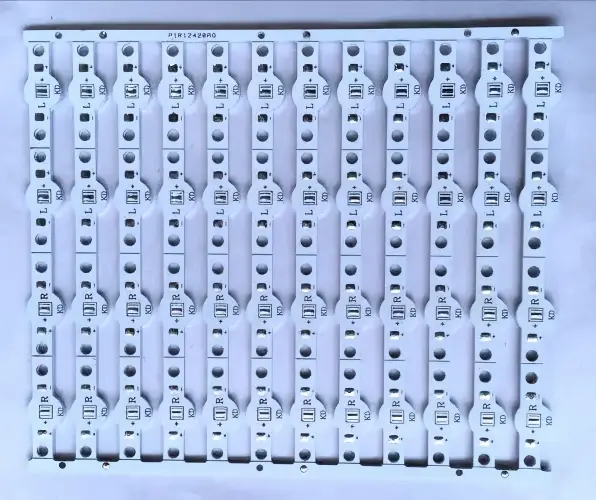
How to Evaluate Supplier Reliability for Aluminum PCBs

How to Evaluate Supplier Reliability for Aluminum PCBs

Reliability  is a  key concern for B2B buyers  when selecting an aluminum PCB  supplier.  Start  by reviewing the manufacturer’s track  record and customer  testimonials. Look for case studies that demonstrate their  ability to meet deadlines and maintain product quality.


Assess their  quality control processes to ensure they implement rigorous testing  protocols throughout production. A reliable supplier should have a  clear  quality assurance strategy, including documented procedures for sample testing and inspection prior to mass production.

Additionally, consider their responsiveness  and willingness to  collaborate. A manufacturer that engages in open communication can provide valuable insights during the  design and production phases, helping to mitigate potential issues before  they  arise.

 
Top Applications for Aluminum PCBs in Various Industries

Top Applications for Aluminum PCBs in Various Industries

Aluminum  PCBs are  widely  used across several industries due to their superior thermal properties and mechanical  strength. Key applications include:

Aerospace: In aerospace applications, where weight and reliability  are paramount, aluminum  PCBs are  utilized in radar systems, navigation devices, and power management systems. Their ability to withstand extreme temperatures and environmental conditions makes  them ideal for this  sector.

Medical Devices: The medical industry benefits from aluminum  PCBs in devices  such as imaging equipment and diagnostic tools. Their reliability and thermal management capabilities ensure consistent performance under varying  operational  conditions.

Automotive: In automotive applications, aluminum PCBs are used in power supply systems, LED lighting, and control units. Their  lightweight nature helps  improve fuel efficiency, while their thermal management properties ensure longevity and performance.


Understanding the specific  applications of aluminum PCBs will help you identify the  right  manufacturer with the  relevant experience and capabilities for your industry.

Understanding Material Advantages of Aluminum PCBs

Aluminum PCBs  offer several material  advantages that make them  a preferred choice for many electronic applications. The primary benefits include:

Heat  Dissipation: Aluminum’s excellent thermal conductivity  allows for efficient heat dissipation, which is crucial for high-power  applications. This property helps maintain optimal operating temperatures, reducing the risk of component failure.

Mechanical Strength: Compared to traditional  FR-4 PCBs, aluminum PCBs provide greater mechanical stability, making them suitable for applications  subject to physical stress and temperature fluctuations.

Lightweight Design: The lightweight nature of aluminum contributes to overall system efficiency, especially in applications where weight reduction  is critical, such as in aerospace  and automotive industries.

Versatility: Aluminum PCBs can be customized to fit a variety of  designs and specifications, allowing manufacturers to create solutions tailored to specific operational  needs.

These advantages  highlight the importance of choosing a manufacturer with expertise in aluminum PCB production, ensuring that your final product meets the required performance and  reliability standards.

By carefully considering these factors  and  specifications,  you can  make  informed decisions when selecting an aluminum PCB manufacturer, ultimately  ensuring the success of your project.

Get a Free Quote

Our representative will contact you soon.
Email
Phone
WhatsApp
Name
Message
0/1000
Upload File
Please upload at least an attachment
Up to 3 files, each no larger than 30MB. Supported formats: jpg, jpeg, png, pdf, doc, docx, xls, xlsx, csv, txt, stp, step, igs, x_t, dxf, prt, sldprt, sat, rar, zip.