EN

Full turnkey PCB assembly is an integrated service that encompasses the entire process of printed circuit board (PCB) production, from design and prototyping to final assembly and testing. For B2B buyers, the main concerns include quality assurance, customization capabilities, production timelines, and cost-effectiveness. This article will provide a comprehensive overview of full turnkey PCB assembly, addressing key specifications, common challenges, applications across various industries, and considerations for evaluating different service options.
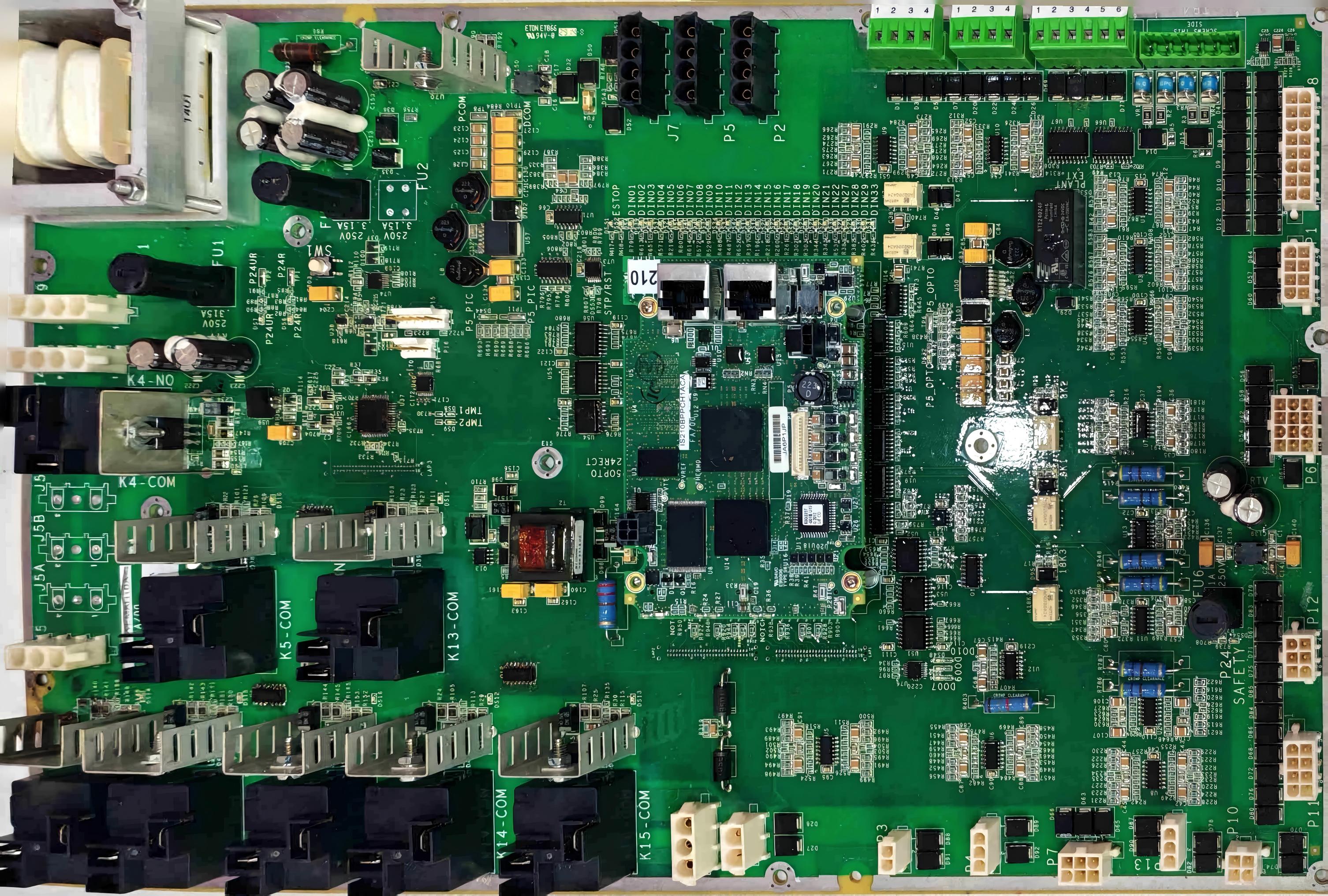
Key Specifications for Quality Full Turnkey PCB Assembly Services
When evaluating full turnkey PCB assembly services, several key specifications should be prioritized:
Layer Count and Complexity: The number of layers affects both the complexity and cost of the PCB. Ensure that the manufacturer can handle the specific layer requirements of your project.
Material Selection: PCB materials, such as FR-4, Rogers, or flexible substrates, should be chosen based on application requirements, thermal performance, and regulatory compliance.
Assembly Technology: The choice between surface mount technology (SMT) and dual in-line package (DIP) assembly can impact the size and performance of the final product. Understanding the capabilities of your assembly partner is critical.
Testing Procedures: Ensure that the manufacturer employs rigorous testing methods, including automated optical inspection (AOI), X-ray inspection, and in-circuit testing (ICT), to guarantee quality and reliability.
Customization Options: Discuss the ability to customize both design and assembly processes to meet specific project needs, including component sourcing and unique packaging solutions.
Production Capacity and Lead Times: Confirm the manufacturer's production capacity to ensure they can meet your volume requirements within the desired timelines.