EN

In the realm of modern manufacturing, electronic contract manufacturing services have become essential for companies seeking to produce high-quality electronic components efficiently and cost-effectively. These services encompass the entire production process, from design and prototyping to mass production and testing. B2B buyers, including purchasing managers and engineers, often have specific concerns such as quality assurance, cost factors, and supplier reliability. This article aims to provide valuable insights into navigating the complexities of electronic contract manufacturing, helping you make informed decisions when selecting a partner for your PCB and PCBA needs.
How to Evaluate Quality in Electronic Contract Manufacturing Services
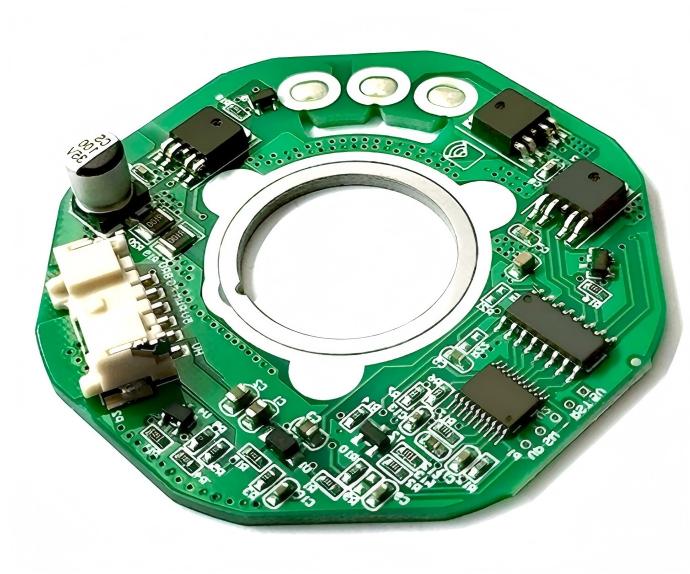
Understanding the differences between PCB (Printed Circuit Board) and PCBA (Printed Circuit Board Assembly) is crucial for making informed decisions in electronic contract manufacturing. A PCB refers to the bare board, which includes the substrate material, copper traces, and any surface treatments. In contrast, a PCBA encompasses the PCB along with all components soldered onto it, such as resistors, capacitors, and ICs.
Key specifications to compare include the number of layers, which can range from 1 to 50 layers for complex designs; material types, such as FR-4 or Rogers, that affect performance under various conditions; and surface finish options like HASL, ENIG, or OSP, which impact solderability and overall reliability.
Buyers should also consider the thermal and electrical properties required for their specific application. For instance, aerospace components may need to withstand extreme temperatures and vibrations, requiring specialized materials and constructions. Ensuring that the chosen specifications align with your product's performance requirements is essential to avoid issues down the line.