EN

Choosing the right cable and harness assembly is crucial for ensuring the reliability and efficiency of your electronic systems. These assemblies are integral components in various industries, including aerospace, medical, and automotive, where they facilitate the connection and communication between different electrical parts. As a purchasing manager or engineer, you may have concerns about material selection, quality control, compatibility, and overall performance. This article will provide you with essential insights into cable and harness assembly selection, specifications, quality control measures, supplier sourcing, and installation guidance to help you make informed decisions.
Key Specifications to Consider When Sourcing Cable Assemblies
Understanding key specifications is critical when sourcing cable and harness assemblies. You should pay attention to:
Wire Gauge: The wire gauge determines the amount of current the cable can carry. A lower gauge indicates a thicker wire, which can handle higher currents but may be less flexible. Ensure that the gauge aligns with your application's power requirements.
Insulation Type: Different insulation materials offer varying levels of protection against environmental factors. For example, silicone and Teflon provide excellent thermal resistance, while PVC is more cost-effective for less demanding applications. Choose an insulation type suited to the assembly's operating conditions.
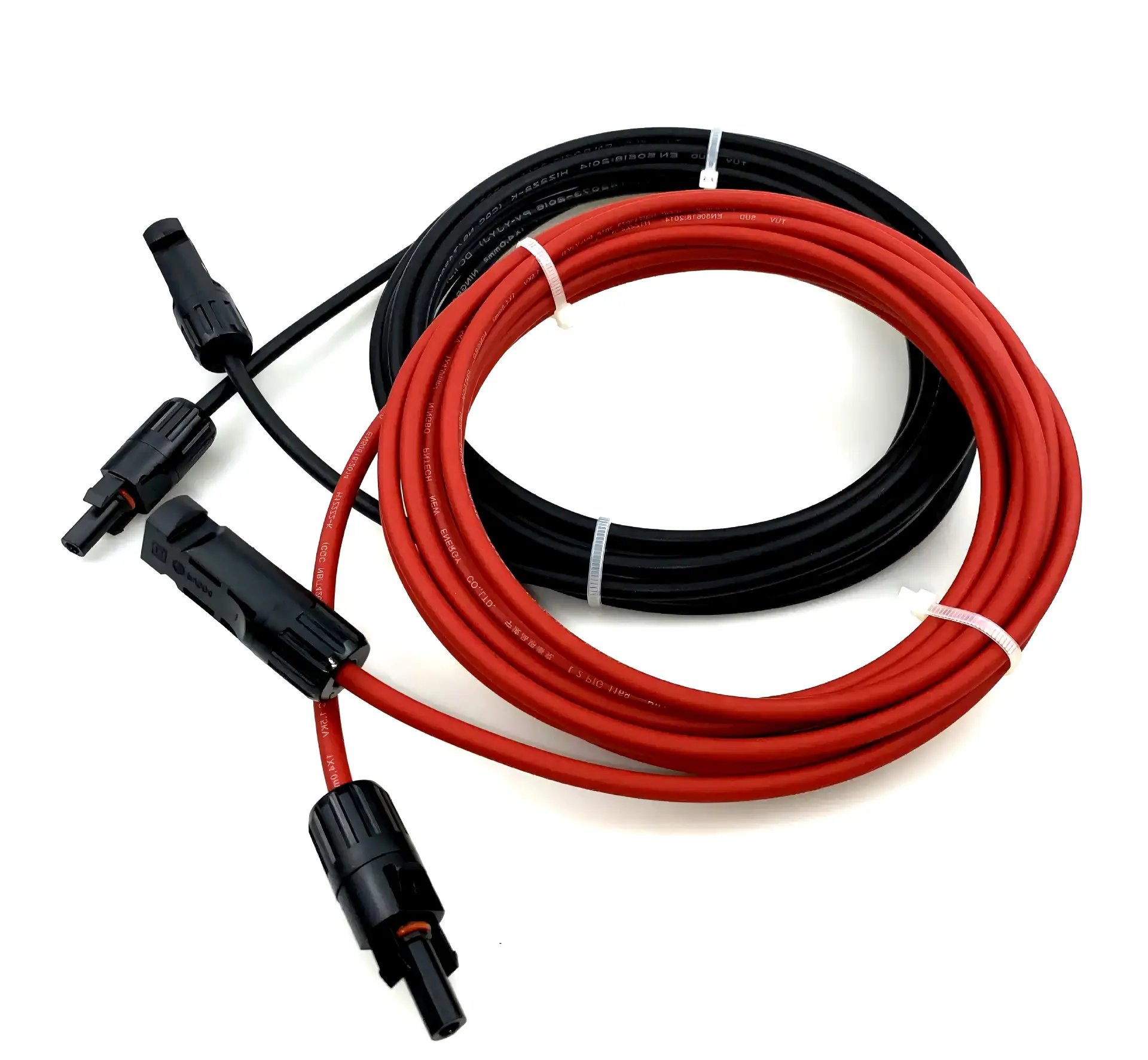
Connector Types: The type of connectors can significantly impact performance and compatibility. Ensure the connectors you select are suitable for the intended application, considering factors like ease of assembly and disassembly, as well as environmental sealing requirements.
Temperature Range: As operational temperatures can vary, confirming that the materials used in the assembly can handle the expected temperature fluctuations is essential. This will prevent premature failure and ensure long-lasting performance.
Compliance Standards: Depending on your industry, certain compliance standards may apply. For example, aerospace applications may require adherence to MIL-STD specifications, while medical devices must comply with IEC 60601-1. Always verify that suppliers can provide the necessary certifications.
By focusing on these specifications, you can ensure that your chosen cable and harness assembly will meet both performance and regulatory requirements.