Low Volume SMT Assembly: Choosing the Right Supplier

All Categories

Get a Free Quote

Our representative will contact you soon.
Email
Phone
WhatsApp
Name
Message
0/1000
Upload File
Please upload at least an attachment
Up to 3 files, each no larger than 30MB. Supported formats: jpg, jpeg, png, pdf, doc, docx, xls, xlsx, csv, txt, stp, step, igs, x_t, dxf, prt, sldprt, sat, rar, zip.

smt assembly low volume

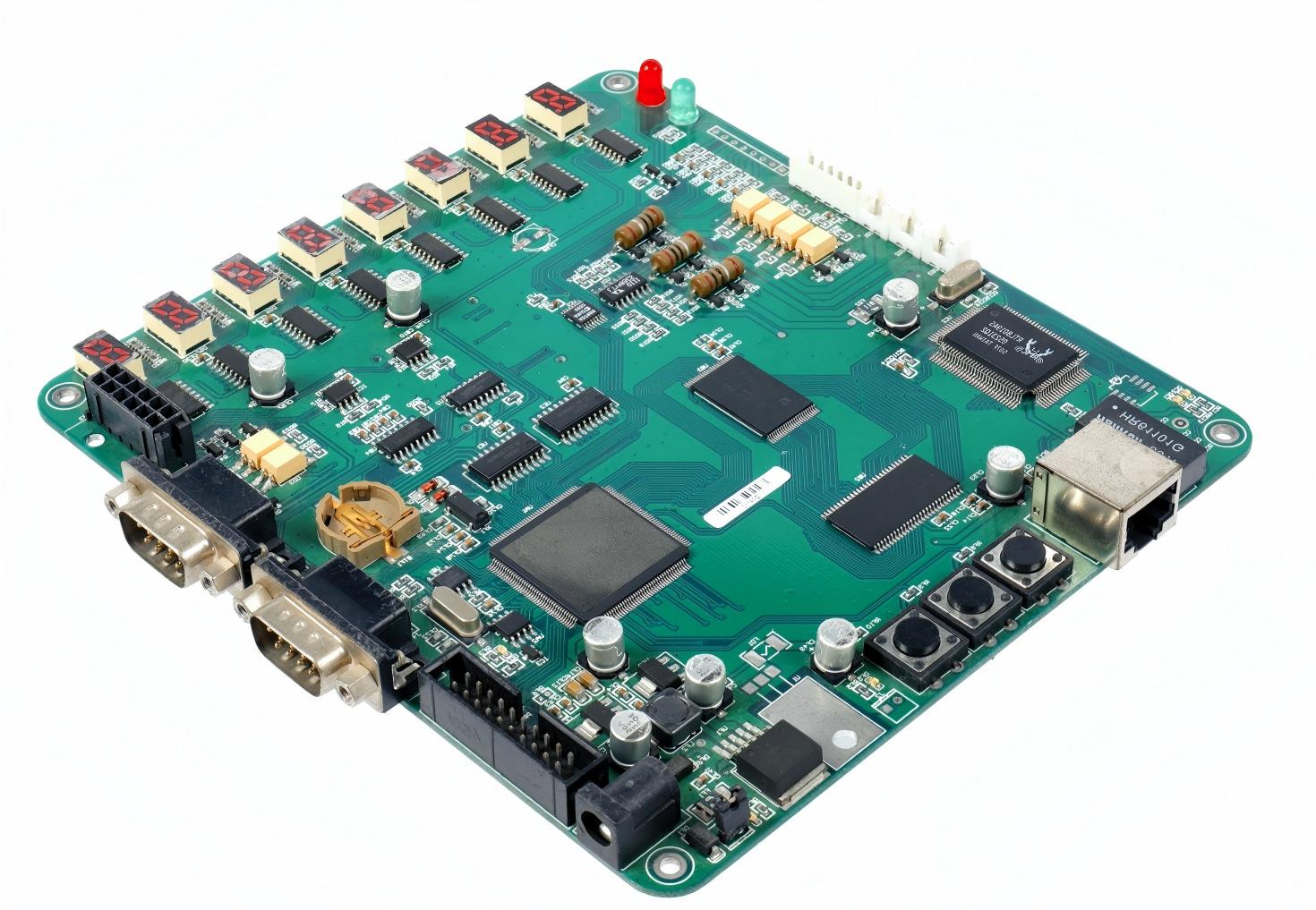
In the evolving  landscape of  electronics manufacturing, low volume SMT assembly plays a  critical role for  businesses seeking  flexibility  and quality. This process involves placing  surface mount technology (SMT) components onto  printed circuit  boards  (PCBs) with  precision, catering  especially  to industries such as aerospace,  medical, and automotive. For purchasing managers, engineers, and product managers, understanding the intricacies of SMT assembly is essential for making informed decisions. This  article will guide you through  selecting the right  supplier, evaluating quality,  addressing common challenges, and exploring the benefits of  bulk ordering for low volume SMT assembly  solutions.
How to Choose the Right Supplier for SMT Assembly Needs

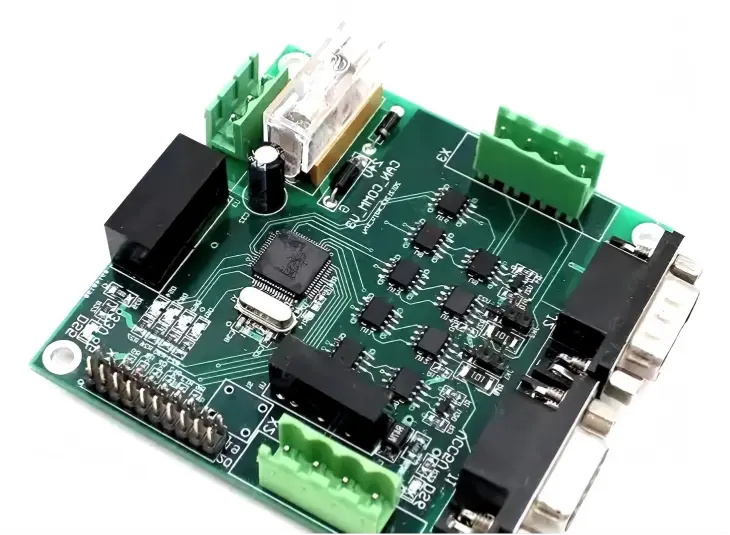
Selecting the ideal supplier for your low volume SMT assembly  requires careful consideration  of several  key factors. First, assess the supplier's manufacturing capabilities, particularly their equipment and technology. Suppliers like Suntech Electronics, with advanced  SMT  and DIP assembly setups,  ensure high  precision and efficiency in production.

Next, evaluate the supplier's  experience in your specific industry. A partner with expertise in aerospace, medical,  or automotive applications will better  understand the unique requirements, such as  compliance with  regulatory standards and specific material needs.


Additionally, consider their quality assurance processes.  A reputable supplier will have rigorous testing protocols in place, such as ICT (In-Circuit Testing), X-ray  inspections, and SPI (Solder Paste  Inspection) to ensure the reliability and performance of the assembled products. This is crucial for  maintaining  quality during low volume  production runs, which can often be more susceptible to variations.

Lastly, communication is vital. A supplier who is responsive  and willing to collaborate on design modifications or technical challenges can significantly enhance the overall project outcome.

Get a Free Quote

Our representative will contact you soon.
Email
Phone
WhatsApp
Name
Message
0/1000
Upload File
Please upload at least an attachment
Up to 3 files, each no larger than 30MB. Supported formats: jpg, jpeg, png, pdf, doc, docx, xls, xlsx, csv, txt, stp, step, igs, x_t, dxf, prt, sldprt, sat, rar, zip.

Related product categories

Evaluating Quality in Low Volume SMT Assembly Services

Evaluating Quality in Low Volume SMT Assembly Services

Quality assurance is paramount in  low  volume SMT assembly, where precision and reliability can make or break a product's success. Start by  identifying the key quality metrics relevant to your project. Important factors include component placement accuracy, solder joint integrity, and overall  PCB functionality.

To ensure these metrics are met, investigate the supplier's quality control processes. They should include detailed inspection protocols at various stages of production,  from  initial setup and material sourcing to final  assembly and testing. Look for certifications like ISO 9001, which  indicate a  standardized approach to quality management.

It is also  beneficial  to request samples before committing to a larger order. This allows you to  assess the assembly quality firsthand and evaluate whether it meets your specifications. During the sampling phase,  pay attention to the  fit and  finish, as well as  the performance  under actual operating  conditions.

Finally, establish a clear feedback loop with your supplier. Regular communication regarding  quality expectations and performance metrics can help mitigate  issues before they escalate.
Common Problems in SMT Assembly and Effective Solutions

Common Problems in SMT Assembly and Effective Solutions

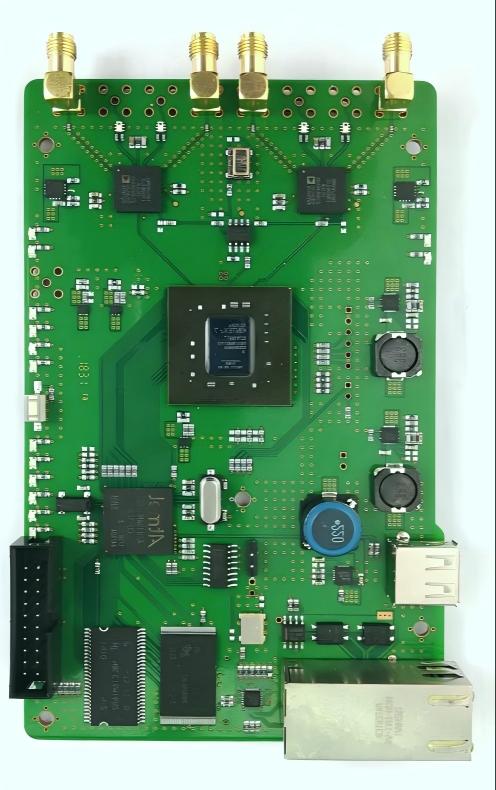
While  SMT assembly  offers numerous advantages, it is not without its  challenges. Common problems  include component misplacement, solder defects, and issues with PCB warping.

Component  misplacement can occur due to improper alignment during the pick-and-place process. To counteract this, ensure that  the supplier uses high-precision placement equipment and conducts thorough alignment checks  before production.

Solder defects, such as insufficient  solder or bridging, can  result from inadequate paste application or  improper thermal profiles  during reflow. Utilizing SPI and implementing controlled solder paste deposition can help maintain consistency. Additionally, collaborating closely  with the supplier to establish optimal reflow profiles based on the specific materials  used is essential.

PCB  warping is another issue that can arise,  particularly with multilayer boards.  Ensure that  the supplier has experience with rigid-flex designs and employs proper handling and  storage techniques to minimize stress on the boards.

Finally, having a robust testing regime in place can help catch  issues early in the production process, reducing waste and ensuring that  only high-quality products reach the market.

Installation Guidance for Low Volume SMT Assembly Products

Installation Guidance for Low Volume SMT Assembly Products

Proper installation of SMT assemblies is critical for  ensuring product reliability and performance. Begin by reviewing  the assembly  specifications provided by your supplier. These  should outline the recommended tools, techniques, and  environmental conditions for installation.


When installing low volume SMT assemblies, ensure that the workspace is clean  and free from static. Use appropriate grounding techniques to protect sensitive  components from  electrostatic  discharge (ESD).


Follow the supplier's guidelines for  thermal management,  particularly in applications where  heat dissipation is critical. Depending on the  assembly design, you may need  to utilize heat sinks or thermal pads to maintain optimal operating temperatures.

Finally, always conduct a functional test after  installation  to confirm that  the assembly operates as  intended. This step is vital for identifying any issues that may have arisen during handling or installation.

Benefits of Bulk Ordering for Low Volume SMT Assembly Solutions

Bulk ordering can offer significant advantages for  businesses engaged in  low volume SMT assembly. One of  the  primary benefits  is cost efficiency.  By increasing the order quantity, companies can often negotiate lower per-unit pricing, which helps in managing overall project budgets.

Additionally, bulk orders can lead to  reduced lead times. When  a supplier has sufficient quantities on  hand, they can streamline production processes and minimize delays associated with material sourcing. This is especially beneficial in  industries where time-to-market is crucial.

Bulk ordering also facilitates better inventory management. By having a  larger stock  of assembled units,  businesses can respond more swiftly to  customer demands and maintain continuity in their supply chain.

However, it's essential  to balance the benefits of bulk ordering with the risk of overstocking. Collaborate closely with your supplier  to forecast demand accurately and ensure that you are not left  with excess inventory that could impact cash flow.

In summary, understanding the intricacies  of low volume SMT  assembly—from supplier selection and quality evaluation to addressing common  challenges and leveraging bulk ordering—can significantly enhance your purchasing decisions and product outcomes.

Get a Free Quote

Our representative will contact you soon.
Email
Phone
WhatsApp
Name
Message
0/1000
Upload File
Please upload at least an attachment
Up to 3 files, each no larger than 30MB. Supported formats: jpg, jpeg, png, pdf, doc, docx, xls, xlsx, csv, txt, stp, step, igs, x_t, dxf, prt, sldprt, sat, rar, zip.