Sourcing Rigid-Flex PCBs for Aerospace and Medical

All Categories

Get a Free Quote

Our representative will contact you soon.
Email
Phone
WhatsApp
Name
Message
0/1000
Upload File
Please upload at least an attachment
Up to 3 files, each no larger than 30MB. Supported formats: jpg, jpeg, png, pdf, doc, docx, xls, xlsx, csv, txt, stp, step, igs, x_t, dxf, prt, sldprt, sat, rar, zip.

pcb manufacturer rigid-flex

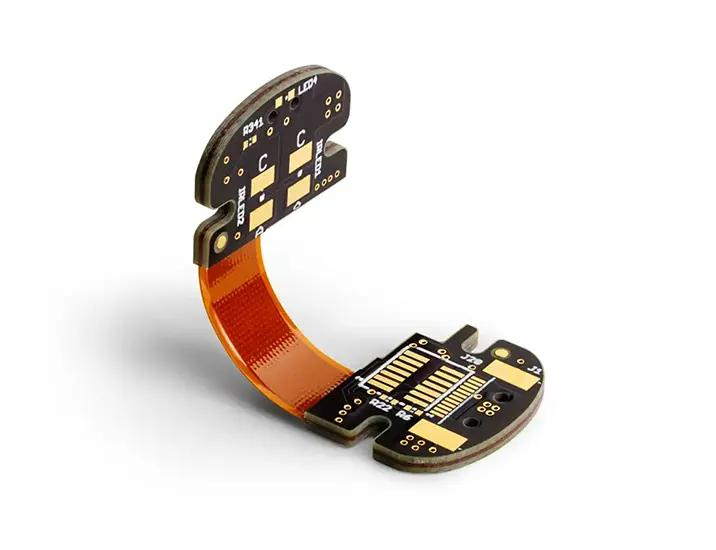
Rigid-flex PCBs, or rigid-flexible printed circuit boards, combine the benefits of rigid and flexible circuits into  a single  unit, offering enhanced design flexibility and reduced assembly complexity. These boards are crucial for applications in industries such as aerospace, medical, and automotive, where space and  reliability are paramount. As  a B2B buyer, your primary concerns may include sourcing  high-quality materials,  ensuring supplier reliability,  and understanding  the manufacturing  process. This  article will  guide  you  through  key  considerations  when sourcing rigid-flex PCBs, helping you make informed  decisions  for  your projects.
 

Sourcing Rigid-Flex PCBs for Your Business

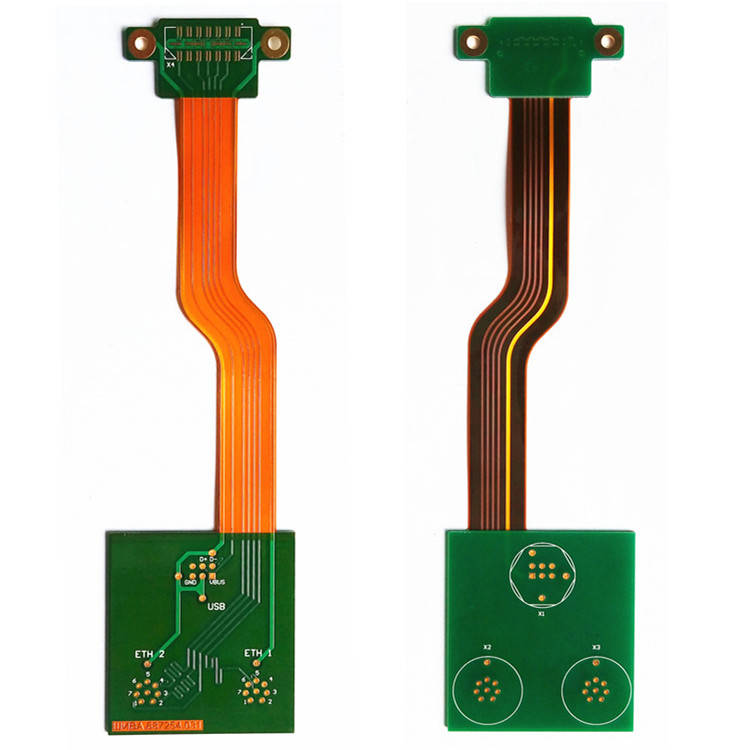
When sourcing rigid-flex PCBs,  several critical factors must be taken into account. First, consider the specific application requirements, including size constraints, environmental conditions,  and electrical performance. Rigid-flex PCBs can be tailored to fit various dimensions and shapes, making them  suitable for complex designs in compact spaces.

Another essential  consideration is the number of layers required for your design.  Rigid-flex PCBs can range from 1 to 50 layers, and the  design  complexity often  dictates the number of layers needed. It’s vital to collaborate closely  with your  PCB manufacturer to ensure  that the specifications align with your project requirements.


Material selection is also crucial.  The substrate materials, such as polyimide  or  FR-4, should be chosen based  on thermal performance, flexibility, and  chemical resistance. The right material will directly impact  the board's performance, durability, and cost.

Lastly, make sure to discuss  lead times and minimum order quantities (MOQs)  early in the procurement process to avoid delays in product delivery.

Get a Free Quote

Our representative will contact you soon.
Email
Phone
WhatsApp
Name
Message
0/1000
Upload File
Please upload at least an attachment
Up to 3 files, each no larger than 30MB. Supported formats: jpg, jpeg, png, pdf, doc, docx, xls, xlsx, csv, txt, stp, step, igs, x_t, dxf, prt, sldprt, sat, rar, zip.

Related product categories

Where to Find Reliable Suppliers for Rigid-Flex PCB Solutions

Where to Find Reliable Suppliers for Rigid-Flex PCB Solutions

Evaluating the reliability of a rigid-flex PCB supplier involves several key steps. Start  by  assessing their certifications and quality management systems, such as ISO and IATF  certifications, which indicate  adherence to  international quality standards.  These certifications reflect the supplier’s commitment to  delivering high-quality products consistently.

Next, review their  manufacturing capabilities, including the  technology they use for production. Advanced techniques such as surface mount technology (SMT) and automated inspection processes like  SPI and X-ray  testing can significantly enhance product quality. A supplier with robust testing protocols can  help mitigate risks associated with defects.

Additionally, consider the supplier's experience in your specific industry. Suppliers  that have a proven track  record in aerospace, medical, or automotive sectors will better understand the unique requirements and regulatory standards of your applications.

Finally, seek out customer testimonials  and case studies to  gauge their reliability  and customer service. A reputable supplier should be willing to provide  references and  examples of  past projects that align with your needs.
Tips for Contractors

Tips for Contractors

To ensure a  successful procurement process for rigid-flex PCBs, adhere to the following  best practices:

Provide Comprehensive Specifications:  When requesting quotes, include detailed specifications such as dimensions, layer count, material types, and any specific testing requirements. This clarity helps suppliers provide  accurate pricing  and lead times.

Request Samples  Before Mass Production:  Always  request prototypes  or samples before committing to a full production  run. This allows you to verify that the board meets all design and performance criteria.

Communicate Regularly: Maintain open lines of communication with your supplier throughout  the procurement process. Regular updates can help address any potential issues early and ensure that both parties are aligned.

Plan for  Future  Needs: Consider your potential future requirements when placing orders.  Discuss  scalability options with your supplier to accommodate increased  demand or design changes down the line.

Inspect Quality Throughout the  Process: Implement regular quality checks during manufacturing and after delivery. This  vigilance can help identify defects  early and ensure that the final product meets your  standards.

Applications of Rigid-Flex PCBs in Aerospace, Medical, and Automotive

Applications of Rigid-Flex PCBs in Aerospace, Medical, and Automotive

The choice of  materials in  rigid-flex PCB design plays a pivotal role in the performance and reliability of the final product. Polyimide  is a popular choice due to its excellent thermal stability and flexibility, making it  suitable  for dynamic applications.  In  contrast, FR-4, while less  flexible, offers good electrical insulation and  is often  used in rigid sections of the  boards.

Additionally, consider the environmental conditions  the PCB will face. For instance, applications exposed to moisture  or chemicals may require specialized  coatings or materials to enhance protection. Conductive materials, such  as copper, also  vary in thickness and finish, impacting both electrical performance and solderability.

Understanding these  material advantages helps ensure that the selected substrate aligns with your application  requirements, enhancing  overall product  reliability and longevity.

Expert Insights on Material Advantages of Rigid-Flex PCBs

Despite advancements in technology, several common challenges can arise during the manufacturing of rigid-flex PCBs. One  frequent issue is misalignment  during the layering process, which can lead to electrical failures. To mitigate this risk, ensure that your supplier employs precision registration  techniques and advanced alignment tools in their manufacturing processes.

Another challenge is the  potential for delamination,  especially in  high-stress applications.  To combat this, select  high-quality materials and discuss  layer  bonding techniques with your manufacturer  to ensure robust adhesion.

Additionally, issues related to surface finish can affect solderability  and overall performance. It’s critical to specify the appropriate surface finish for your application, such as  ENIG (Electroless Nickel Immersion Gold) or HASL (Hot Air Solder Leveling), depending on the intended use and assembly process.

Regular  communication with your supplier can also help address  these  issues proactively. Engaging in discussions about potential manufacturing challenges and solutions can lead to a smoother production  process and higher quality outcomes.

By understanding these common problems and collaborating closely with a reliable PCB manufacturer like Suntech  Electronics, you can navigate the complexities of sourcing rigid-flex  PCBs effectively and  ensure that your projects meet all necessary specifications and requirements.

Get a Free Quote

Our representative will contact you soon.
Email
Phone
WhatsApp
Name
Message
0/1000
Upload File
Please upload at least an attachment
Up to 3 files, each no larger than 30MB. Supported formats: jpg, jpeg, png, pdf, doc, docx, xls, xlsx, csv, txt, stp, step, igs, x_t, dxf, prt, sldprt, sat, rar, zip.