Choosing the Right Cable and Harness Assembly

All Categories

Get a Free Quote

Our representative will contact you soon.
Email
Phone
WhatsApp
Name
Message
0/1000
Upload File
Please upload at least an attachment
Up to 3 files, each no larger than 30MB. Supported formats: jpg, jpeg, png, pdf, doc, docx, xls, xlsx, csv, txt, stp, step, igs, x_t, dxf, prt, sldprt, sat, rar, zip.

cable and harness assembly

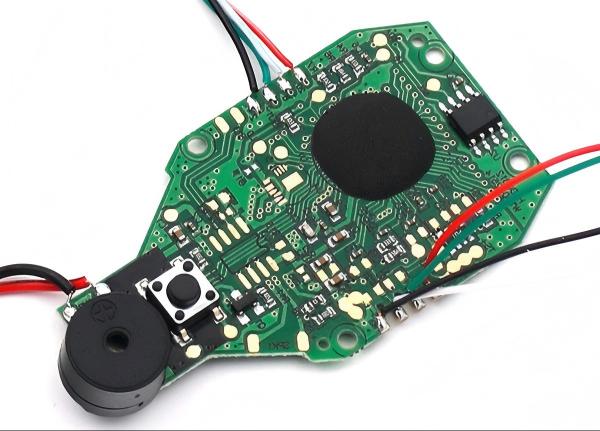
Choosing the right cable and  harness assembly is crucial for ensuring the  reliability and efficiency of your  electronic systems.  These assemblies are  integral components  in  various industries, including aerospace,  medical, and automotive, where  they facilitate the  connection and communication between different  electrical  parts. As a purchasing manager or engineer, you may  have concerns  about material  selection, quality control, compatibility, and overall performance. This article will  provide you with  essential insights into cable and harness assembly selection,  specifications, quality control measures, supplier sourcing, and installation guidance to help you  make  informed decisions.
Choosing the Right Cable and Harness Assembly for Your Project Needs

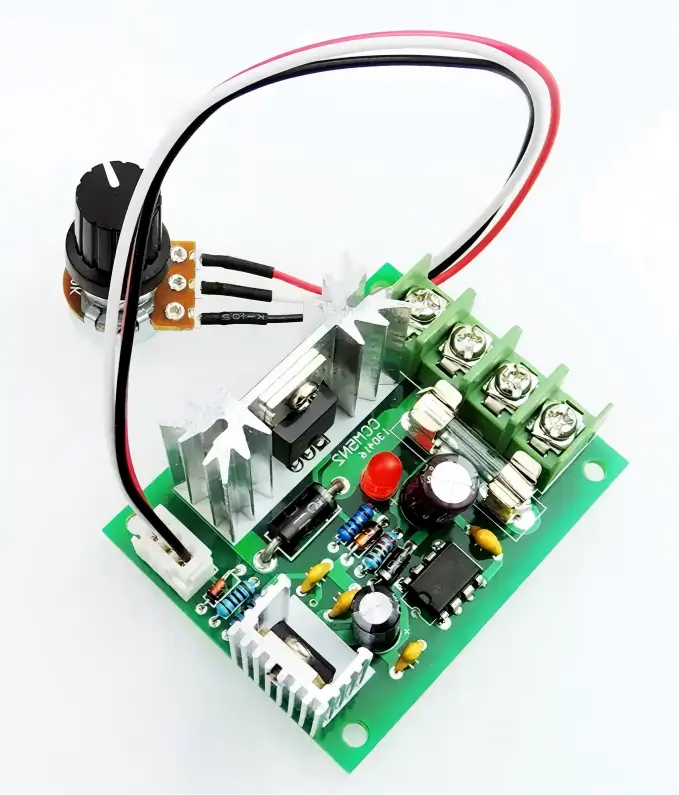
When selecting a  cable  and harness  assembly, it is vital to consider the specific requirements of your project. Factors such  as application  environment, electrical load, and mechanical stress will  influence your choice. For  instance, assemblies  used in aerospace applications  may need to  withstand extreme temperatures and  vibrations, while medical devices often require biocompatible materials to  ensure patient safety.

Begin by clearly defining the application and operational environment. Determine  if the assembly will face exposure to moisture, chemicals, or mechanical abrasion. This will guide you in selecting materials that meet  these  demands, such as PVC, polyurethane, or  Teflon. Additionally, consider the  electrical specifications, including voltage, current ratings, and impedance requirements, to ensure compatibility with your existing systems.

Finally, assess any customization needs, such as length, color coding, or connector types. Custom solutions may be  necessary to fit specific designs or operational  protocols, emphasizing the importance of collaborating closely with suppliers who can offer flexibility in design and  manufacturing.

Get a Free Quote

Our representative will contact you soon.
Email
Phone
WhatsApp
Name
Message
0/1000
Upload File
Please upload at least an attachment
Up to 3 files, each no larger than 30MB. Supported formats: jpg, jpeg, png, pdf, doc, docx, xls, xlsx, csv, txt, stp, step, igs, x_t, dxf, prt, sldprt, sat, rar, zip.

Related product categories

Key Specifications to Consider When Sourcing Cable Assemblies

Key Specifications to Consider When Sourcing Cable Assemblies

Understanding key specifications is critical when  sourcing cable and harness assemblies. You should pay attention  to:

Wire Gauge: The wire gauge determines the amount  of current the cable can carry.  A  lower gauge indicates a thicker wire, which can handle higher currents but may be less flexible. Ensure that the gauge aligns  with  your application's power requirements.

Insulation Type: Different insulation materials offer varying  levels of protection against environmental factors. For example, silicone and Teflon provide excellent thermal resistance, while  PVC is more cost-effective for less demanding applications. Choose  an insulation type suited to the assembly's operating conditions.

Connector Types: The type of connectors can significantly impact performance  and compatibility. Ensure the connectors you select are suitable for the intended application, considering factors  like ease of assembly and  disassembly, as well as environmental sealing requirements.

Temperature Range: As operational temperatures  can  vary, confirming that the materials used in the assembly can handle the expected temperature fluctuations is essential. This will prevent premature failure and ensure long-lasting performance.

Compliance Standards: Depending on your industry, certain compliance standards may apply. For example, aerospace applications may require adherence to  MIL-STD specifications, while medical devices must comply with IEC 60601-1.  Always verify that suppliers can provide the necessary certifications.

By focusing on these specifications, you can ensure  that your chosen cable and harness assembly will meet both performance  and  regulatory requirements.
Quality Control Measures for Reliable Cable and Harness Assemblies

Quality Control Measures for Reliable Cable and Harness Assemblies

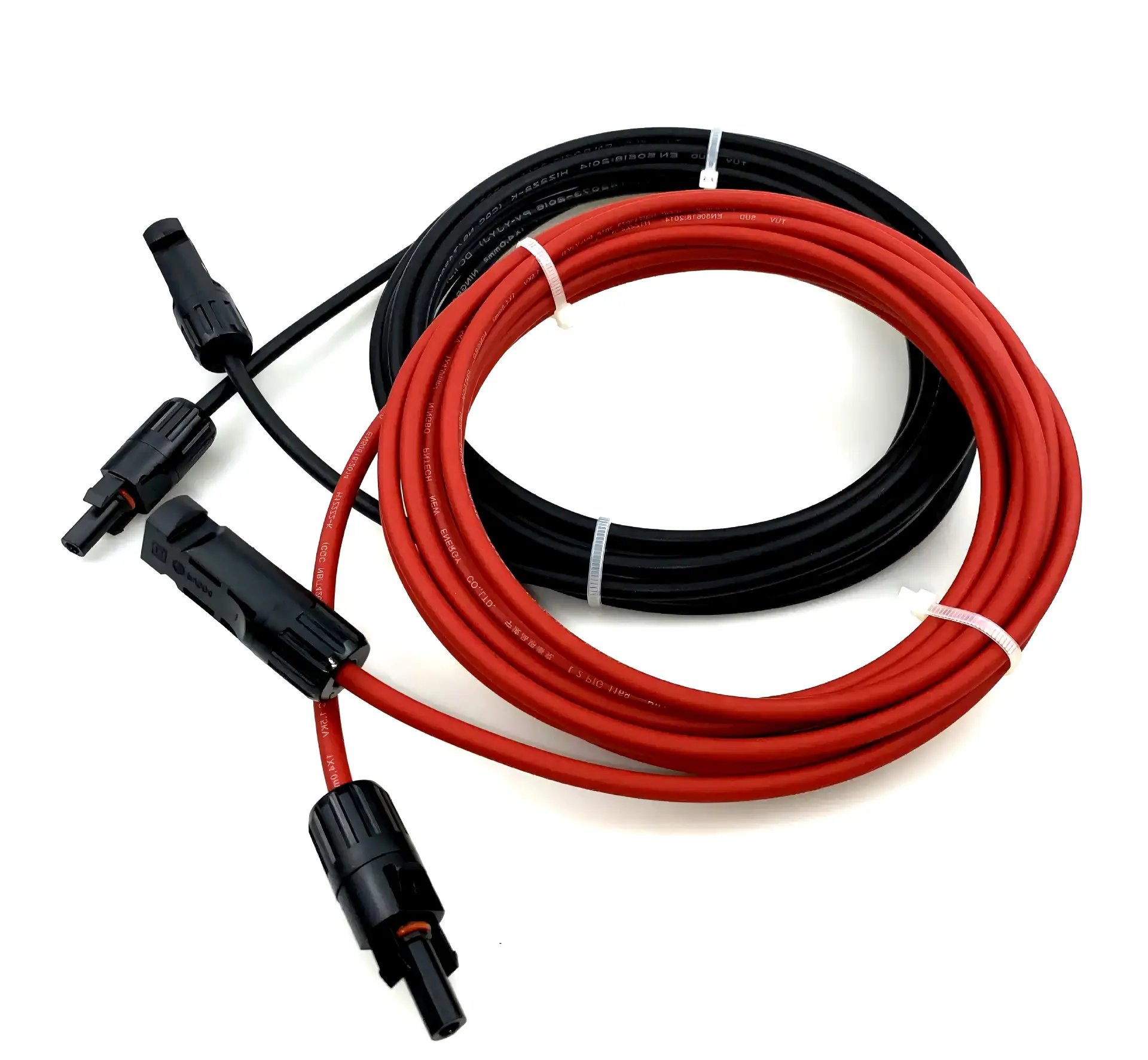
Quality control is paramount in manufacturing cable and harness assemblies, especially when operating in critical industries. Implementing rigorous quality measures can help mitigate risks associated  with defects or failures. Key quality  control processes include:

Incoming Material Inspection: Verify  that all  materials meet specified standards before production  begins. This involves checking wire gauges, insulation types, and connector specifications.

In-Process Testing: During assembly, conduct  regular  tests to  ensure that the cables are being manufactured correctly. This can include visual inspections, continuity testing, and insulation resistance testing. Early detection of issues can prevent costly rework later.

Final Inspection: Before  shipping, perform a comprehensive  inspection of the  finished assemblies.  This should include testing for electrical performance, mechanical strength, and environmental resilience according to the specified standards.

Documentation  and Traceability: Maintain thorough records of all quality checks and material certifications. This provides traceability in  case of future issues and  demonstrates compliance with industry regulations.

Supplier Audits: Regularly audit suppliers to ensure they  adhere to  quality standards and best  practices. This builds a reliable supply chain  and fosters collaboration for continuous improvement.

By implementing these quality control  measures, you can enhance the reliability and performance of your cable and harness assemblies.

Where to Find Trusted Suppliers for Bulk Cable Assemblies

Where to Find Trusted Suppliers for Bulk Cable Assemblies

Sourcing  reliable suppliers for bulk cable and harness assemblies is crucial for ensuring consistent quality and timely delivery.  Here are several strategies you can employ:

Industry Directories: Utilize industry-specific directories  and trade associations to identify reputable  manufacturers. These resources often  provide verified supplier listings, enabling you  to  find companies  with relevant certifications and experience.

Trade Shows and Expos:  Attend industry trade shows where manufacturers showcase their products. This  offers an opportunity to meet suppliers, evaluate their offerings, and discuss your specific requirements face-to-face.

Online Research:  Conduct online research to review suppliers’ websites, looking for customer testimonials, case studies, and certifications. A well-established supplier should have a  transparent online  presence that reflects their expertise and capabilities.

Networking: Leverage your professional network to gather recommendations. Colleagues in similar industries may have valuable insights into trustworthy suppliers  based on their own experiences.

Request for Quotation (RFQ): Once you have identified potential suppliers, prepare a  detailed RFQ that includes your specifications, anticipated quantity, and  delivery timelines. This will enable suppliers to provide accurate  quotes and lead times.

By following these strategies, you can identify trusted suppliers  that align with your needs for  bulk cable and harness  assemblies.

Installation Guidance for Optimal Performance of Cable Assemblies

Proper installation of cable and harness  assemblies is essential to ensure optimal performance and longevity. Here are key considerations to keep in mind:

Preparation: Before installation, ensure that  the installation area is clean and free from contaminants. Dust and debris can  compromise the integrity of connections  and insulation.

Connector Orientation: Pay attention to the orientation  of connectors  during installation. Misalignment can lead to performance issues or damage to components. Verify that  connectors fit securely and are locked in place.

Cable Routing: Route cables away from sharp edges, hot surfaces, and  moving parts to prevent  abrasion  and  overheating. Use cable ties and clamps to secure the assemblies and maintain organized wiring.


Testing After Installation: After installation, perform  a functional test to  ensure that all connections are secure and that the  assembly operates as intended. This can help identify any issues early before the system is  fully operational.


Documentation: Maintain records of installation  procedures and any modifications made during the process. This documentation can be invaluable for  future maintenance or troubleshooting.

By adhering to these installation guidelines, you  can enhance the performance and reliability of your cable and harness assemblies, ultimately contributing to the success of your projects.

Get a Free Quote

Our representative will contact you soon.
Email
Phone
WhatsApp
Name
Message
0/1000
Upload File
Please upload at least an attachment
Up to 3 files, each no larger than 30MB. Supported formats: jpg, jpeg, png, pdf, doc, docx, xls, xlsx, csv, txt, stp, step, igs, x_t, dxf, prt, sldprt, sat, rar, zip.